


10 Essential Tips for Organizing Your On-Site Storage Container for Optimal Workflow on Construction Sites
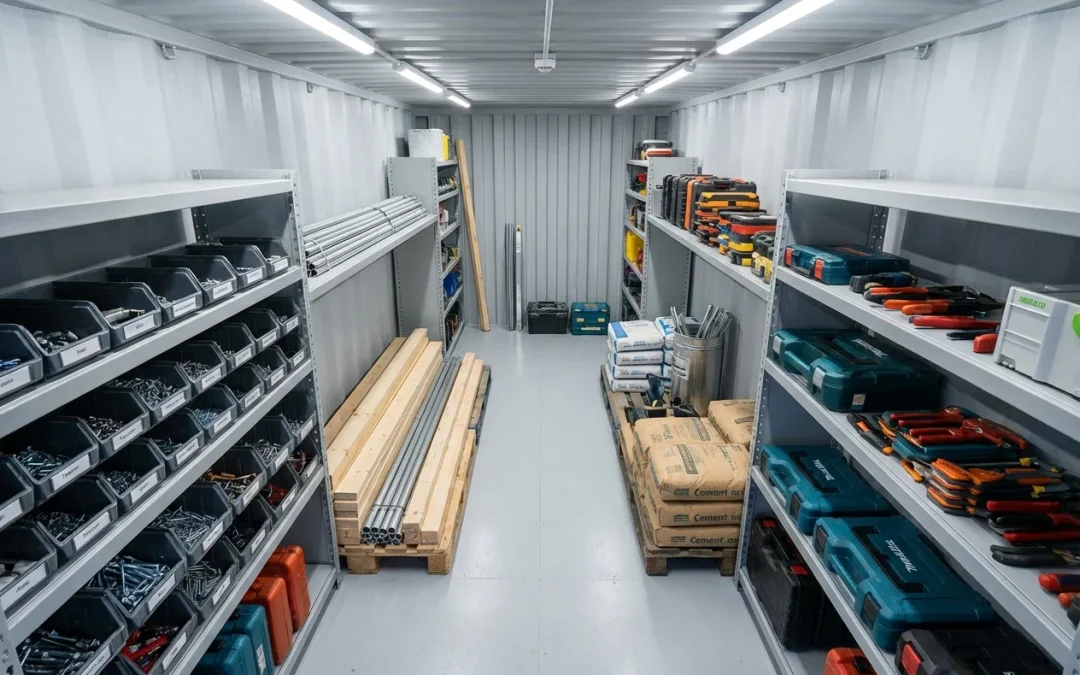
Efficient organization of on-site storage containers is crucial for maintaining a smooth workflow on construction sites. These containers often serve as the central hub for tools, materials, and equipment, making them a critical component of daily operations. A well-organized storage container can save time, reduce waste, and enhance productivity, ultimately contributing to a project’s success.
In this comprehensive guide, we will explore ten essential tips for organizing your on-site storage container to optimize workflow. Whether you’re a seasoned project manager or a construction novice, these strategies will help you make the most of your storage space, improve accessibility, and ensure safety on site.
1. Assess Your Needs and Create a Plan
Before you begin organizing your storage container, take the time to assess your specific needs. Consider the types of materials and tools you’ll be storing, the frequency of access required, and the number of personnel who will be using the container. This assessment will guide you in creating a tailored organization plan that aligns with your unique project requirements.
Creating a detailed plan involves sketching out a layout that maximizes space and functionality. Identify key zones within the container, such as areas for frequently used tools, bulky materials, and safety equipment. By having a clear plan in place, you can streamline the organization process and ensure that every item has its designated place.
2. Implement a Labeling System
A robust labeling system is essential for maintaining order and efficiency. Clearly label shelves, bins, and containers to ensure that items are easy to locate and return after use. Use durable, weather-resistant labels that can withstand the rigors of a construction environment.
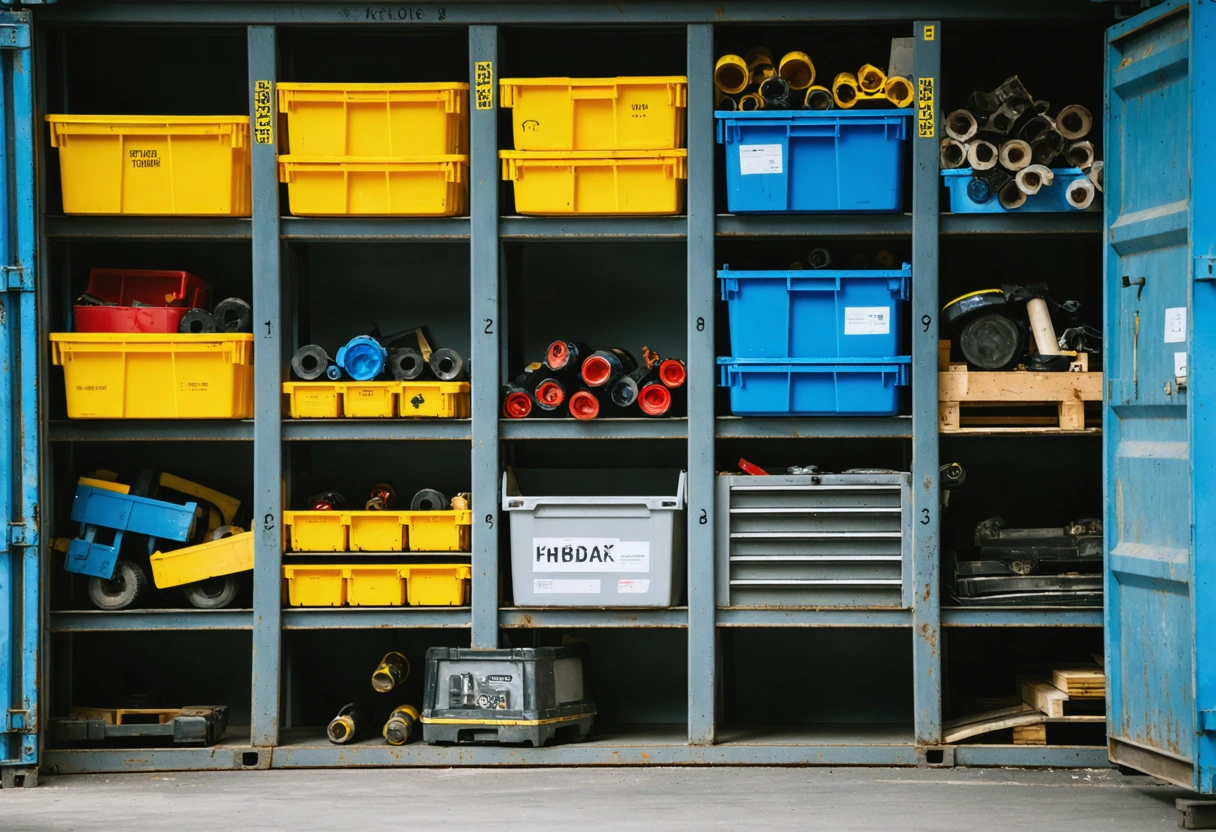
Consider using color-coded labels to differentiate between categories of items, such as electrical tools, plumbing materials, or safety gear. This visual cue can significantly speed up the retrieval process and minimize confusion among team members. A well-implemented labeling system can reduce time spent searching for items, allowing for more productive workdays.
3. Prioritize Accessibility
Accessibility is a key factor in optimizing workflow. Arrange items in a way that frequently used tools and materials are easily accessible. Store these items at waist height or within arm’s reach to minimize bending or climbing, which can lead to safety hazards or inefficiencies.
For larger containers, consider installing rolling shelves or sliding racks that can be extended and retracted as needed. These features enhance accessibility and make it easier to organize and retrieve items efficiently. When planning the layout, keep in mind the flow of traffic within the container to ensure that movement is unobstructed.
4. Maximize Vertical Space
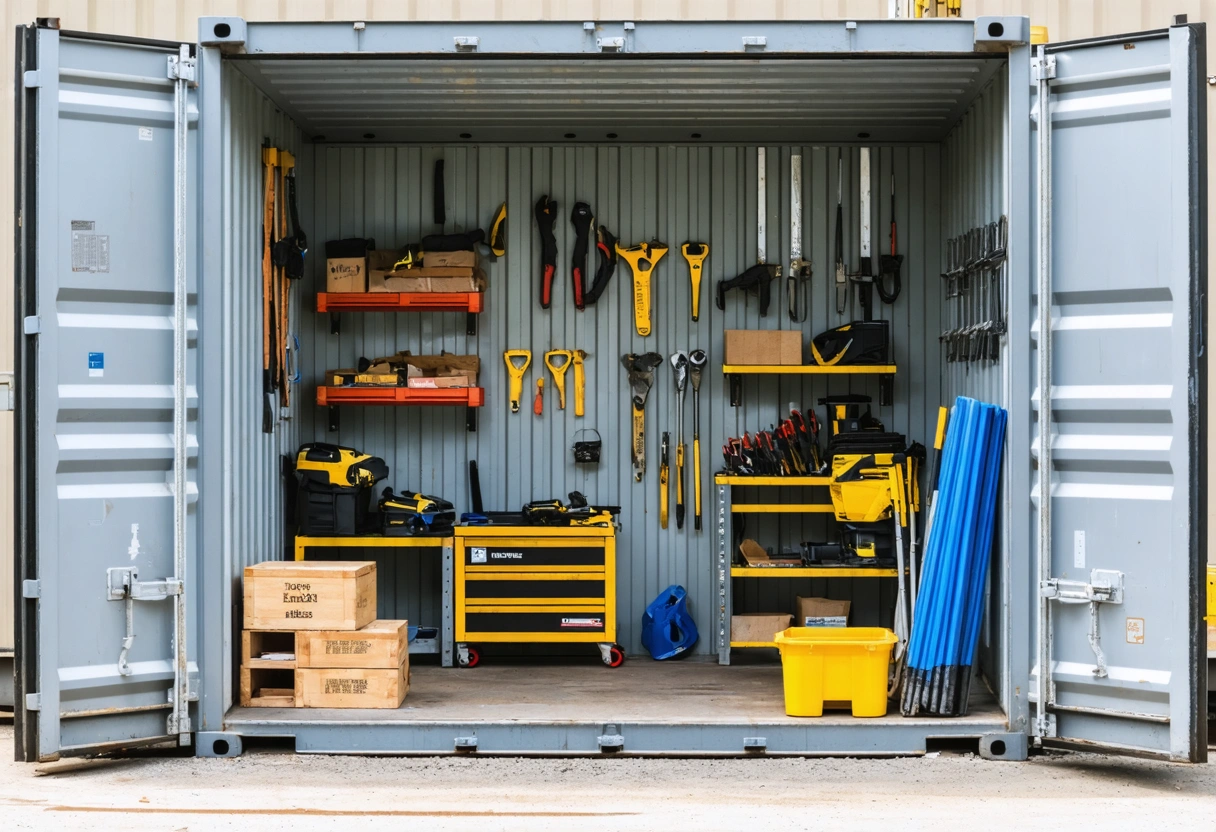
Vertical space is often underutilized in storage containers. Take advantage of every inch by installing adjustable shelving units that can accommodate varying sizes of tools and materials. Wall-mounted racks and pegboards are excellent for hanging smaller tools and keeping them within reach.
For items that require secure storage, such as power tools or hazardous materials, consider using lockable cabinets that can be mounted to the walls. By maximizing vertical space, you can keep the floor area clear, allowing for safer and more efficient movement within the container.
5. Use Clear Bins and Containers
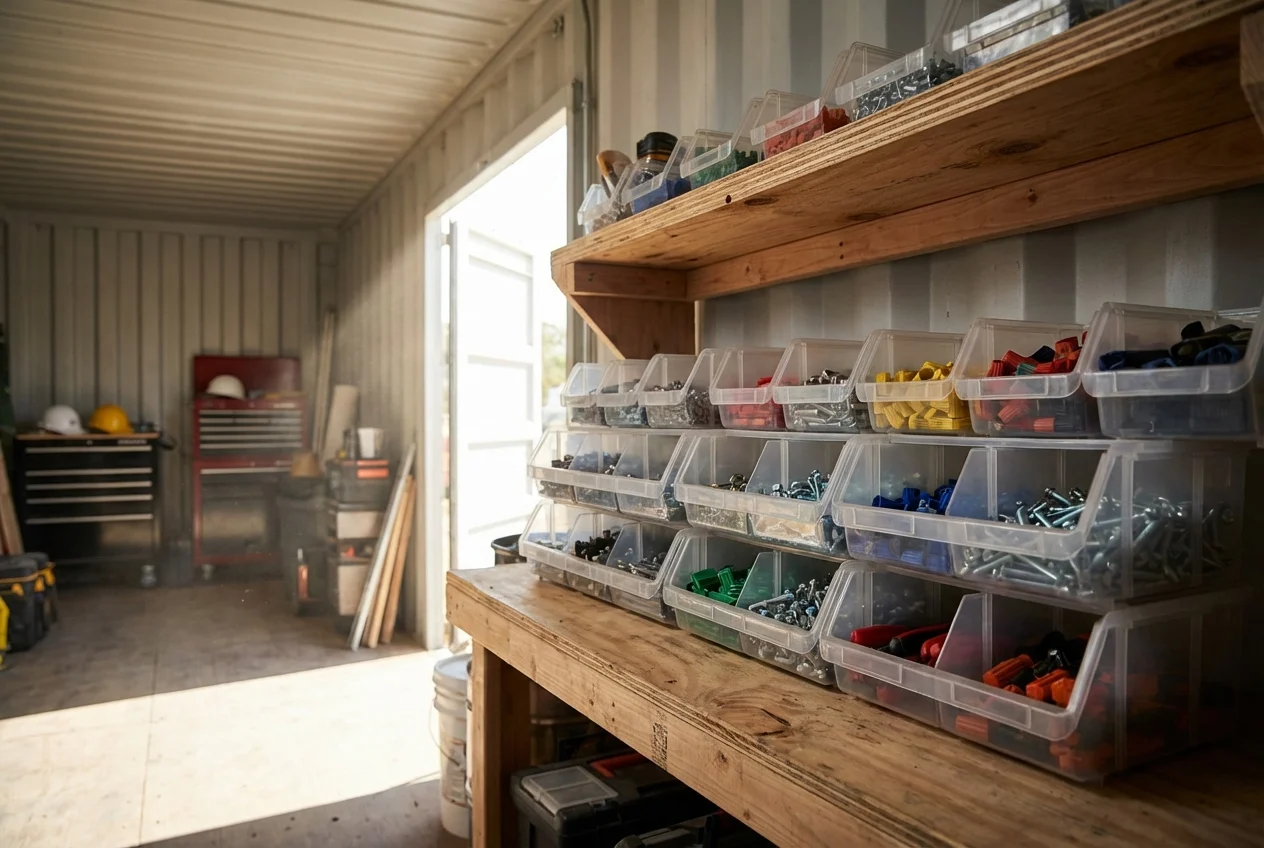
Clear bins and containers are invaluable for organizing smaller items and materials. Their transparency allows you to easily see the contents without having to open each container, saving time and reducing frustration.
Invest in high-quality, stackable bins that are durable and resistant to harsh environments. Clearly label each bin to enhance organization further and consider using dividers within the bins to separate different types of items. This method is particularly useful for organizing fasteners, connectors, and other small components that can easily become disorganized.
6. Establish a Routine for Regular Maintenance
Organization is not a one-time task but an ongoing process. Establish a routine for regular maintenance to keep your storage container in top condition. Schedule periodic clean-ups to declutter and reorganize as needed, ensuring that everything remains in its designated place.
Encourage team members to follow a “clean as you go” approach, returning tools and materials to their proper locations after use. Implementing a routine maintenance schedule will help prevent the accumulation of clutter and ensure that the container remains an efficient workspace throughout the project.
7. Implement Safety Measures
Safety should be a top priority when organizing your storage container. Ensure that all items are stored securely to prevent them from falling or shifting during transport. Use appropriate restraints, such as bungee cords or straps, to secure larger items and prevent accidents.
Clearly mark aisles and walkways within the container to prevent tripping hazards. Store hazardous materials in compliance with safety regulations and ensure that they are easily accessible in case of emergencies. By prioritizing safety, you protect both your team and your investment in tools and materials.
8. Optimize for Seasonal Changes
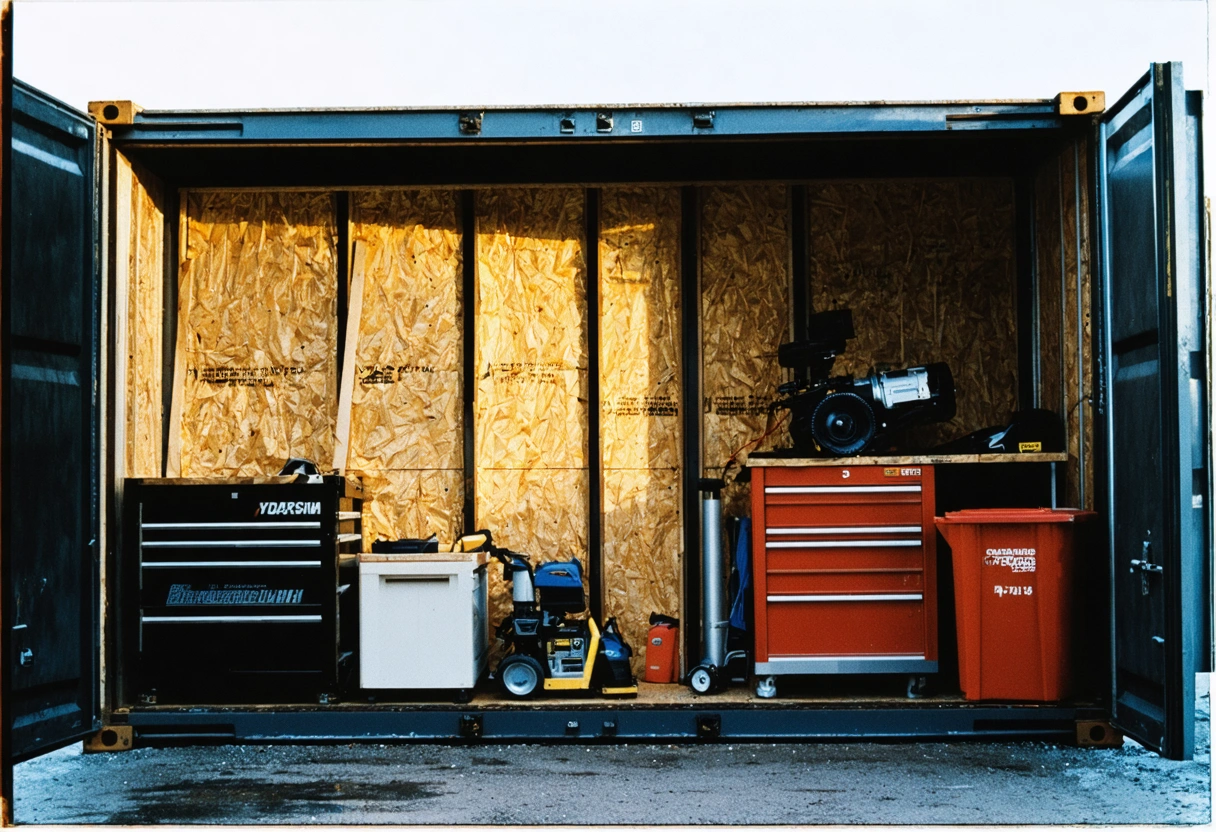
Construction projects often span multiple seasons, each with its own set of weather-related challenges. Optimize your storage container’s organization to account for seasonal changes. During colder months, ensure that items prone to freezing are stored appropriately, and consider adding insulation to the container if needed.
In warmer months, prioritize ventilation to prevent overheating of sensitive equipment. Plan for seasonal tool swaps, such as storing snow removal equipment in the winter and lawn care tools in the spring. By adapting your organization strategy to the changing seasons, you can maintain efficiency and prevent damage to your equipment.
9. Leverage Technology
Technology can play a significant role in enhancing the organization of your storage container. Consider using inventory management software to track the location and quantity of tools and materials. This technology can provide real-time updates on inventory levels, helping you make informed decisions about restocking and allocation.
For larger operations, RFID tags or QR codes can streamline the check-in and check-out process for tools and equipment. These technologies reduce manual errors and provide valuable data on tool usage and maintenance schedules. By leveraging technology, you can improve accountability and ensure that your storage container operates at maximum efficiency.
10. Seek Feedback and Continuously Improve
Finally, seek feedback from your team on the organization of the storage container. Encourage open communication about any challenges or inefficiencies they encounter and be open to suggestions for improvement. Regular feedback can provide valuable insights into how the container’s organization impacts workflow and safety.
Continuously evaluate and refine your organization strategy based on feedback and changing project needs. By fostering a culture of continuous improvement, you can adapt quickly to new challenges and maintain an efficient and safe storage environment.
Takeaways
Effective organization of on-site storage containers is a critical component of successful construction site management. By implementing these ten essential tips, you can create a storage solution that enhances workflow, improves accessibility, and prioritizes safety. From assessing your needs and creating a plan to leveraging technology and seeking continuous feedback, each step plays a vital role in optimizing your storage container for maximum efficiency.
Remember, organization is an ongoing process that requires regular maintenance and adaptation to changing needs. By staying proactive and committed to improvement, you can ensure that your on-site storage container remains a valuable asset throughout the duration of your construction project. With a well-organized storage container, you can minimize downtime, reduce costs, and ultimately achieve greater success in your construction endeavors.
As your construction projects grow and evolve, so too should your approach to storage container organization. It’s important to remain flexible and responsive to the unique demands of each project phase. Whether you’re dealing with increased material deliveries or shifting team dynamics, adapting your storage strategy can have a profound impact on overall project efficiency.
Integrate Sustainable Practices
Incorporating sustainable practices into your storage container organization can not only enhance efficiency but also contribute to environmentally friendly construction methods. Start by evaluating the materials and tools you store and consider eco-friendly alternatives where possible. For example, opt for reusable containers instead of single-use packaging.
Implement recycling stations within your storage unit to manage waste effectively. Properly dispose of or recycle materials like metal scraps, plastic, and cardboard. This not only reduces the environmental footprint of your site but also keeps your storage area tidy and free from unnecessary clutter. Sustainable practices help in aligning your project with modern green building standards, showcasing your commitment to environmentally responsible construction.
Engage in Team Training
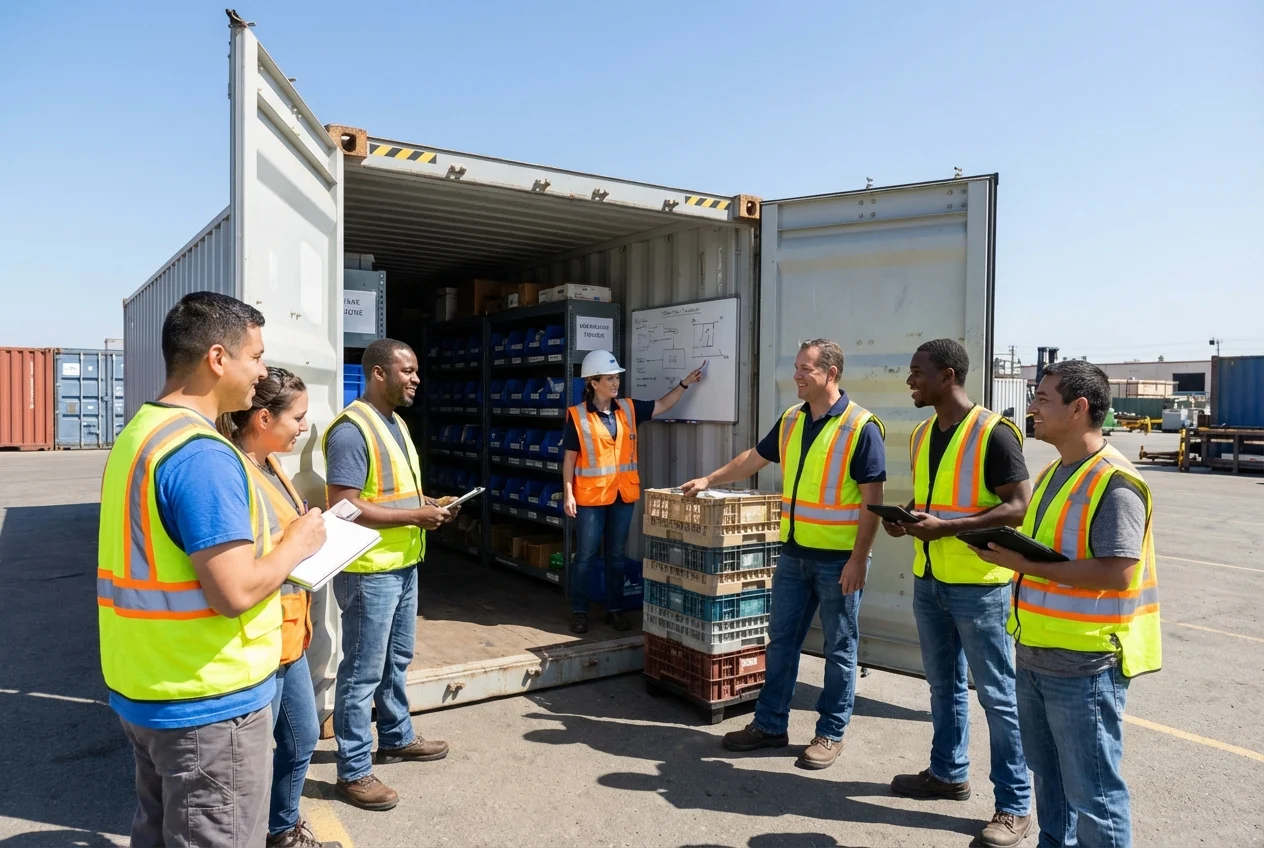
Organizing your storage container is a team effort, and ensuring that all team members are trained in your system is crucial. Conduct regular training sessions to familiarize new and existing staff with the storage layout, labeling systems, and safety protocols. This training should emphasize the importance of returning items to their designated spots and maintaining the overall orderliness of the container.
Use these sessions as an opportunity to gather feedback and suggestions from your team. Since they are the primary users of the storage unit, their insights can be invaluable in identifying areas for improvement. By investing in team training, you empower your workers to contribute actively to maintaining an organized, efficient storage environment, ultimately fostering a culture of accountability and teamwork.
Explore Innovative Storage Solutions
The construction industry is constantly evolving, and new storage solutions are regularly introduced to the market. Stay informed about the latest innovations in storage technology and consider how they might benefit your operations. Modern solutions like modular shelving, collapsible storage units, and smart inventory systems can revolutionize how you manage your on-site storage.
Engage with industry experts and attend trade shows to discover cutting-edge products that can streamline your workflow. Evaluate these solutions based on your specific needs and budget constraints, and be open to experimenting with new methods. By exploring innovative storage solutions, you can stay ahead of the curve and ensure your projects benefit from the best available resources.
In conclusion, organizing your on-site storage container is a multifaceted task that requires careful planning, regular maintenance, and a willingness to adapt to new challenges. By integrating sustainable practices, engaging in team training, and exploring innovative storage solutions, you can significantly enhance the productivity and efficiency of your construction site. Keep these strategies in mind as you manage your projects, and you’ll be well-equipped to tackle any organizational challenges that come your way.
Need help with 10 Essential Tips for Organizing Your On-Site Storage Container for Optimal Workflow on Construction Sites?