


The Importance of Insuring Your Items in On-Site Storage Containers
In today’s fast-paced world, the use of on-site storage containers has become increasingly popular. Whether for personal use during a home renovation, or for business purposes to store excess inventory, these containers offer a convenient and flexible solution. However, while they provide numerous benefits, it is crucial to consider the security and protection of the items stored within them. One of the most effective ways to safeguard your belongings is through insurance. This blog post delves deeply into the importance of insuring your items in on-site storage containers, exploring various aspects and providing comprehensive insights.
Understanding On-Site Storage Containers
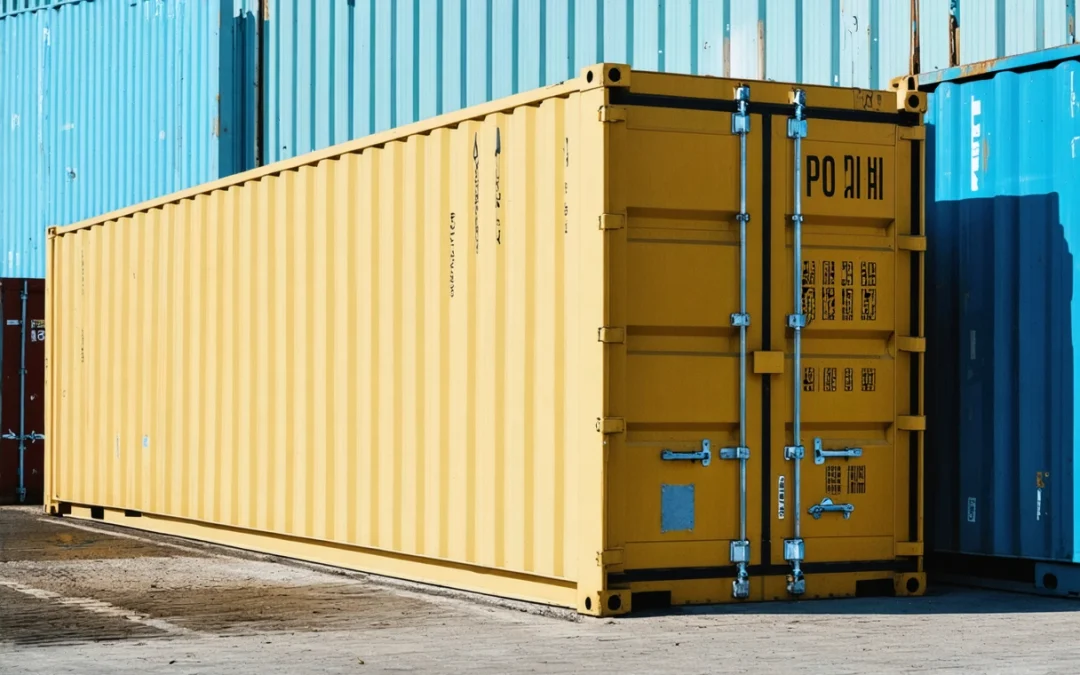
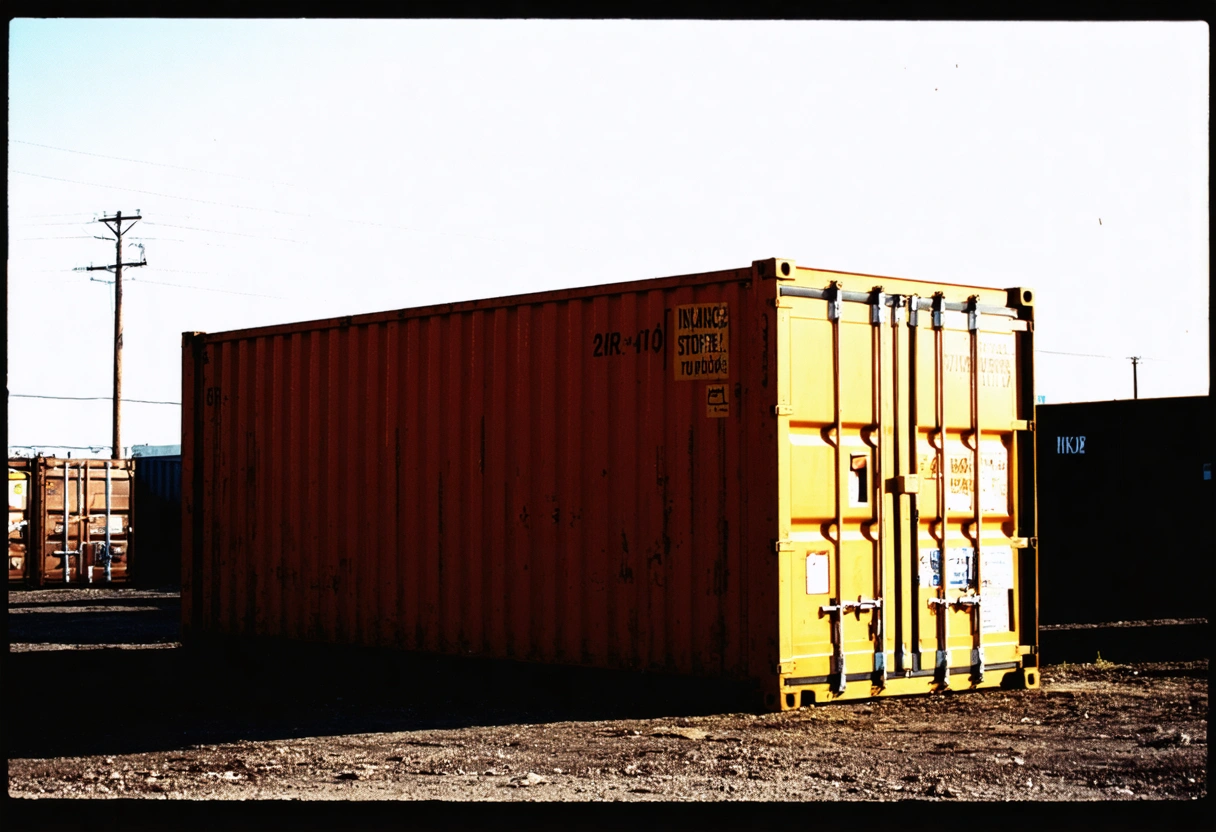
On-site storage containers, also known as portable storage units, are versatile and durable structures that can be placed wherever they are needed. They are typically made of steel and are designed to withstand various weather conditions. These containers are widely used for both personal and commercial purposes due to their convenience and cost-effectiveness. However, despite their robust construction, they are not impervious to risks such as theft, fire, or natural disasters.
Understanding the nature and use of these containers is the first step in recognizing the importance of securing insurance. While they offer a temporary solution for storage needs, the items within them often represent significant monetary and sentimental value. Thus, ensuring these items are adequately protected is essential.
Why Insurance is Vital for Storage Containers
Insurance for on-site storage containers acts as a safety net, protecting against unforeseen events that could result in the loss or damage of stored items. These events include theft, vandalism, fire, and natural disasters such as floods or earthquakes. Without insurance, recovering from such losses can be financially devastating, especially if the items stored are of high value.
Moreover, many people mistakenly believe that their homeowner’s or renter’s insurance policy automatically covers items in on-site storage containers. This is often not the case. While some policies may offer limited coverage, it is crucial to review the terms and conditions to understand what is and isn’t covered. In many instances, a separate policy or rider is necessary to ensure adequate protection.
The Financial Implications of Not Having Insurance
Choosing not to insure items stored in on-site storage containers can have significant financial implications. Consider the costs associated with replacing stolen or damaged items. For businesses, this could mean losing essential inventory, which directly impacts revenue and operational efficiency. For individuals, it could involve the loss of irreplaceable personal belongings.
Additionally, without insurance, you might face legal liabilities if any accidents or injuries occur involving your storage container. For instance, if your container is involved in a property damage case or causes injury to someone, the absence of proper insurance coverage could lead to costly legal battles and settlements. Therefore, having insurance not only protects your belongings but also provides peace of mind and financial security.
Types of Insurance Coverage Available
When it comes to insuring items in on-site storage containers, several coverage options are available. Understanding these options is essential for choosing the right policy to meet your needs. The main types of coverage include:
- Standard Coverage: This typically covers common risks such as theft, fire, and weather-related damage. It is suitable for individuals and businesses looking for basic protection.
- Comprehensive Coverage: For those seeking more extensive protection, comprehensive coverage includes additional risks such as vandalism and certain types of natural disasters. It offers a broader safety net for valuable or sensitive items.
- Custom Coverage: Some insurers offer customizable policies tailored to specific needs. This option is ideal for businesses with unique storage requirements or for individuals with high-value items needing specialized protection.
Consulting with an insurance professional can help in determining the most appropriate coverage for your specific situation.
Steps to Insure Your Storage Container Items
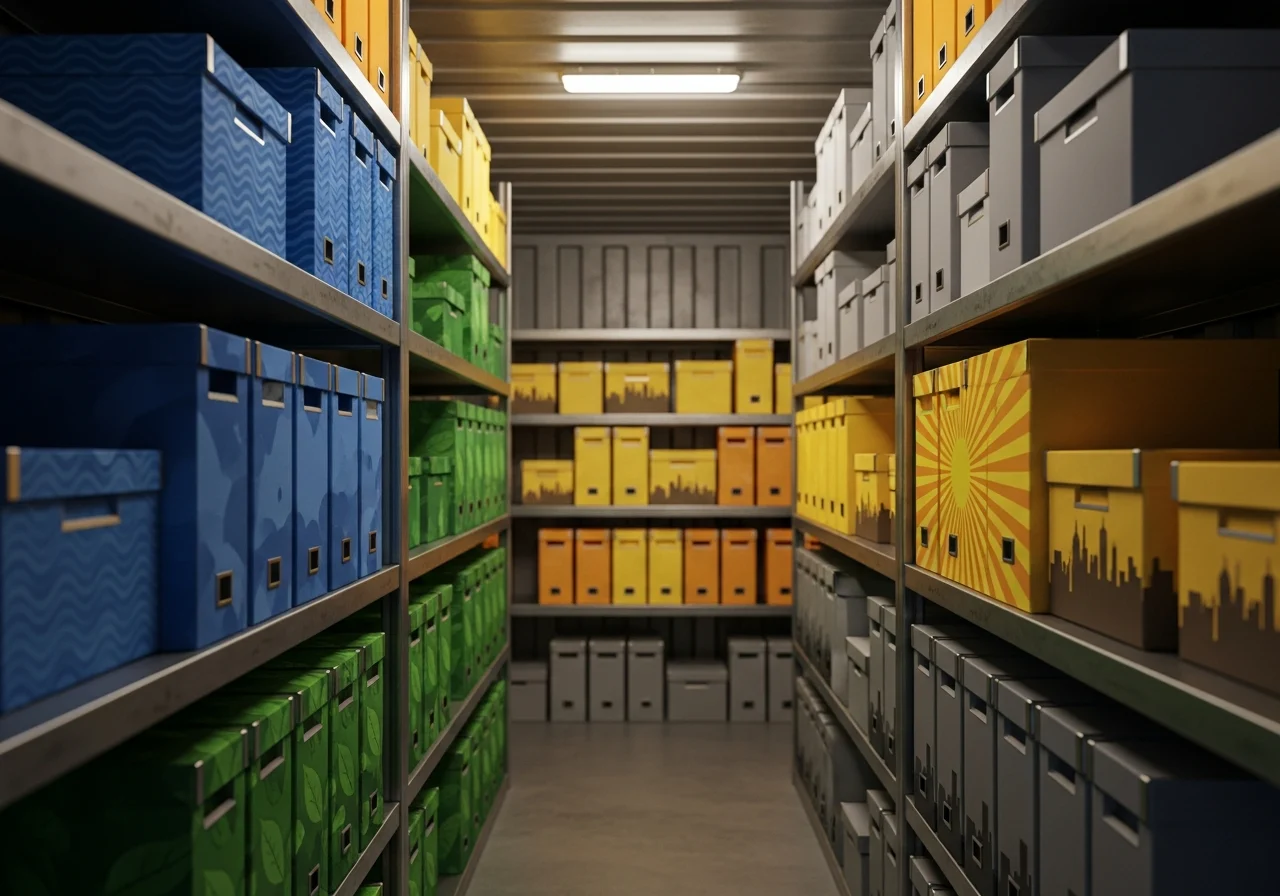
Insuring items in your storage container involves several key steps. Firstly, it is essential to document the contents of the container. This includes taking photographs and maintaining an inventory list, which should detail the value of each item. This documentation will be crucial if you ever need to file a claim.
Next, review your existing insurance policies to understand what coverage is already in place. If necessary, seek additional coverage options from reputable insurers. Compare policies from different providers to find the best terms and premiums. Finally, once you have selected a policy, ensure you understand the claims process and any requirements for maintaining coverage.
Real-World Examples and Case Studies
Understanding the importance of insuring on-site storage containers can be further illustrated through real-world examples. Consider a small business owner who used a storage container to store excess inventory. Without insurance, a fire destroyed the container and its contents, resulting in a total loss of over $50,000 worth of merchandise. The financial strain nearly caused the business to close.
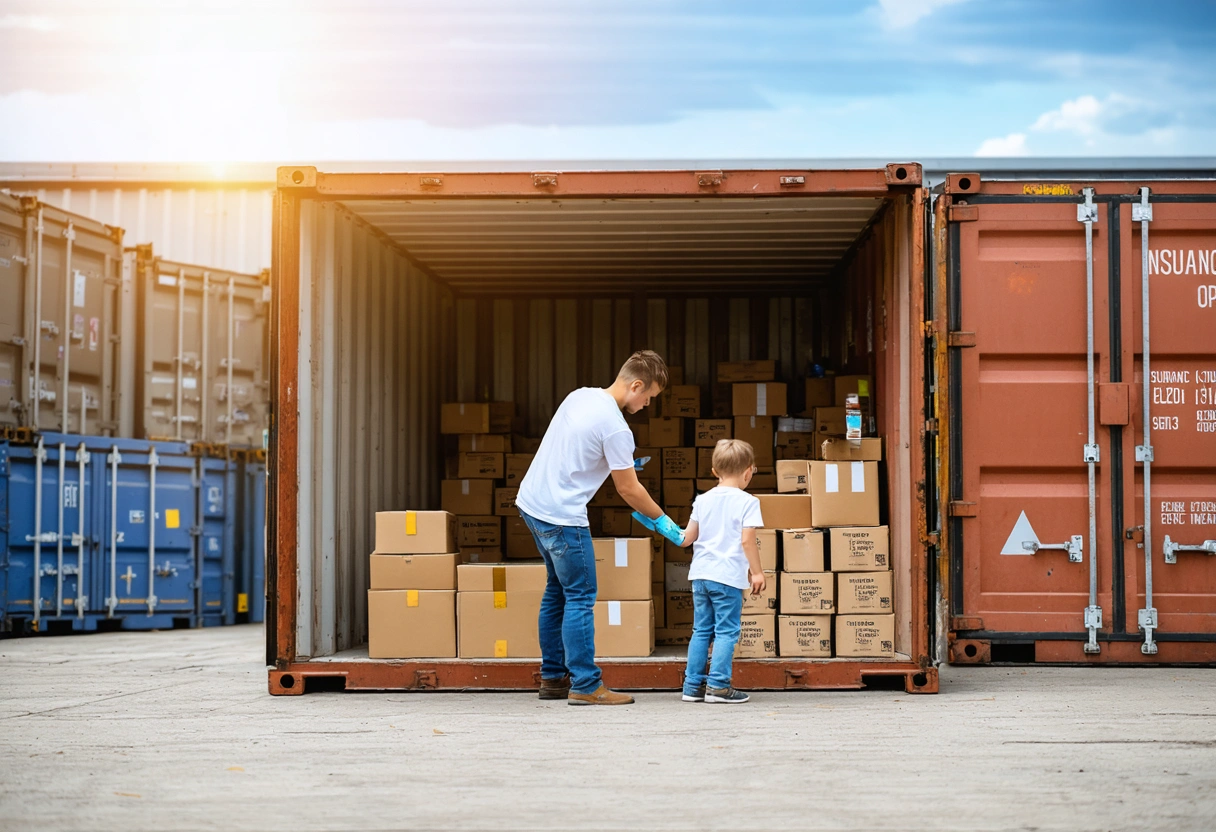
In another instance, a homeowner used a storage container during renovations. Unfortunately, the container was broken into, and valuable family heirlooms were stolen. With an appropriate insurance policy in place, the homeowner was able to recover the financial value of the items, though their sentimental value was irreplaceable.
These examples highlight the unpredictable nature of risks and the importance of being prepared through proper insurance coverage.
Takeaways
Insuring items in on-site storage containers is not just a precaution; it is a vital step in ensuring the security and protection of your belongings. Whether for personal or business use, these containers often hold valuable items that can be susceptible to various risks. By investing in appropriate insurance coverage, you safeguard against financial loss and gain peace of mind.
As the use of on-site storage continues to grow, so too does the need for comprehensive protection. By understanding the types of coverage available, the financial implications of not having insurance, and the steps to properly insure your items, you can make informed decisions that align with your storage needs and risk tolerance. Remember, while the physical structure of a storage container may be strong, the true strength lies in the security of its contents—secured through insurance.
As we further explore this topic, it’s important to address some common misconceptions and frequently asked questions regarding insurance for on-site storage containers. By clarifying these areas, we aim to provide a more comprehensive understanding of why insurance is not just beneficial, but essential.
Common Misconceptions About Storage Container Insurance
One prevalent misconception is that on-site storage containers are inherently secure and therefore do not need insurance. While these containers are typically robust and weather-resistant, they are not immune to all threats. Theft, vandalism, and unexpected natural events can still pose significant risks. Assuming that the physical strength of the container alone will protect your belongings can lead to insufficient preparation and potential financial loss.
Another common misunderstanding is that insurance policies are overly expensive and not worth the investment. In reality, many insurance providers offer flexible and affordable options tailored to meet a variety of needs and budgets. The cost of insurance is often a fraction of the potential loss you might incur without it. Evaluating the cost-benefit ratio can help dispel the notion that insurance is an unnecessary expense.
Frequently Asked Questions About Insurance for Storage Containers
When considering insurance for on-site storage containers, several questions often arise. Here are some frequently asked questions and their answers:
- Is my homeowner’s policy enough? While some homeowner’s policies may offer limited protection for items stored off-site, they often do not provide comprehensive coverage. It is crucial to read the fine print and speak with your insurance agent to understand the scope of your existing policy.
- What factors affect my insurance premium? The cost of your insurance premium can be influenced by several factors, including the value of the items stored, the location of the storage container, and the level of coverage selected. Additional security measures, such as surveillance cameras or alarm systems, may also impact your premium.
- How do I file a claim? In the event of a loss, filing a claim typically involves contacting your insurance provider, providing documentation of the items lost or damaged, and cooperating with any investigations or assessments they may require. Keeping a detailed inventory can streamline this process.
Enhancing Security Measures for Your Storage Container
While insurance provides financial protection, adopting additional security measures can further safeguard your belongings. Enhanced security can also potentially lower your insurance premiums as it reduces the risk of loss or damage. Consider the following strategies:
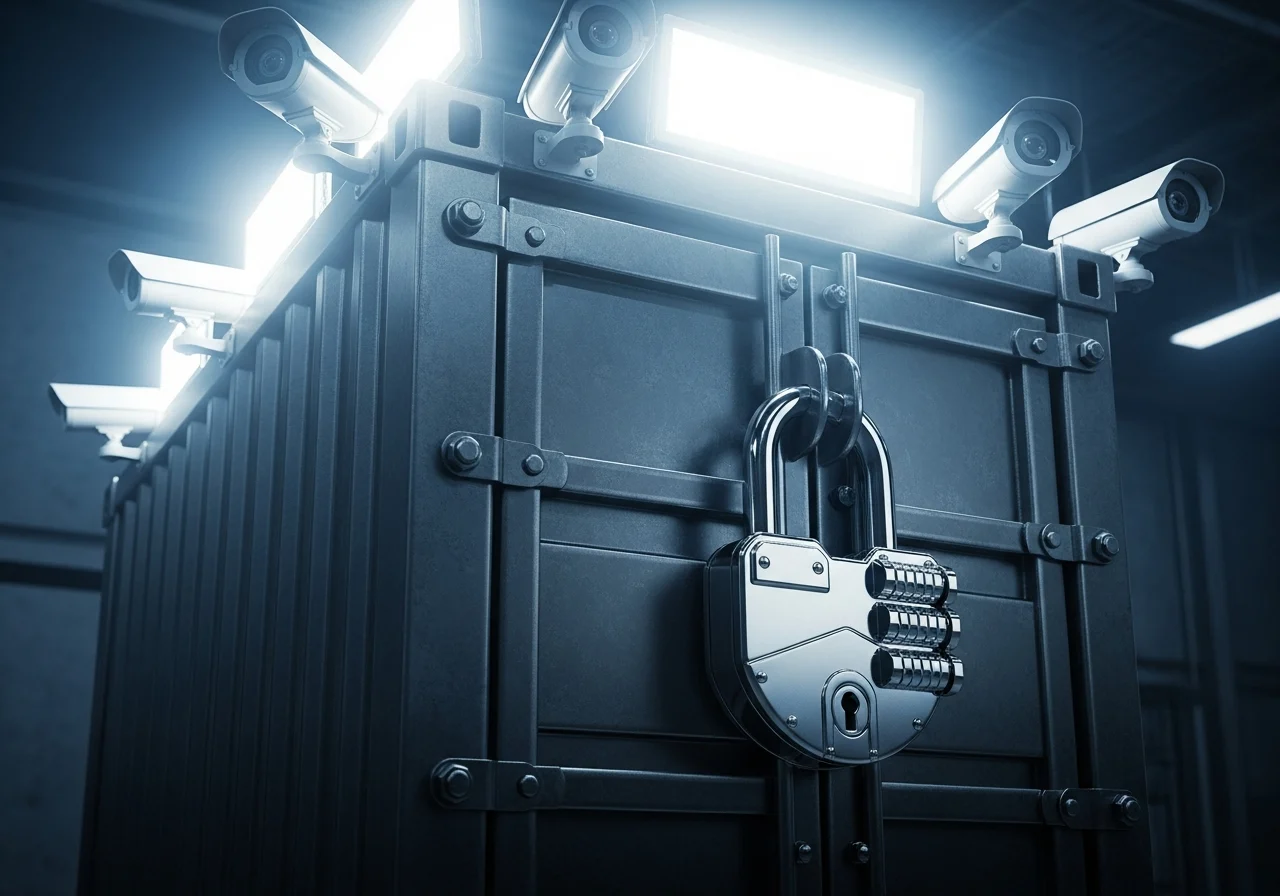
- Install a High-Quality Lock: A durable, tamper-proof lock can act as a strong deterrent against theft. Ensure that the lock is specifically designed for storage containers and is resistant to cutting and picking.
- Use Security Cameras: Installing surveillance cameras can provide continuous monitoring of the area around your storage container. Opt for cameras with night vision and motion detection capabilities for added security.
- Utilize Alarm Systems: Alarm systems can alert you in real-time if unauthorized access is attempted. Some systems can be integrated with mobile apps for instant notifications.
- Choose a Secure Location: Placing your storage container in a well-lit, visible area reduces the likelihood of unauthorized access. If possible, position it within a gated or monitored property.
The Future of On-Site Storage and Insurance
As technology continues to evolve, so too will the landscape of on-site storage and the associated insurance industry. Innovations such as smart locks, connected devices, and advanced monitoring systems are likely to enhance the security of storage containers significantly. These advancements not only improve protection but also influence the types of insurance products available, offering more tailored and dynamic solutions to meet changing needs.
Furthermore, the rise of digital platforms may simplify the process of obtaining and managing insurance policies. Online tools that allow for easy comparison of different policies, real-time claims processing, and digital inventory management are expected to become more prevalent. As these technologies develop, they will offer consumers greater convenience and efficiency.
Final Thoughts
In conclusion, the importance of insuring your items in on-site storage containers cannot be overstated. The combination of insurance and enhanced security measures provides a comprehensive approach to protecting your valuable belongings. By understanding common misconceptions, addressing frequently asked questions, and staying informed about future trends, you can make informed decisions that best suit your storage needs.
Ultimately, taking proactive steps to insure and secure your storage container ensures that you are prepared for any eventuality. In doing so, you protect not only your financial well-being but also the peace of mind that comes from knowing your possessions are safe.
For more information on protecting your assets, you can refer to resources such as What is Insurance? by the Insurance Information Institute and Business Preparedness by Ready.gov.
Need help with The Importance of Insuring Your Items in On-Site Storage Containers?