


Introduction to Business Continuity Planning
In today’s unpredictable business environment, companies must prepare for a range of disruptions, from natural disasters to economic downturns. Business continuity planning (BCP) is the process of creating systems of prevention and recovery to deal with potential threats to a company. The ultimate goal of BCP is to ensure that personnel and assets are protected and are able to function quickly in the event of a disaster.
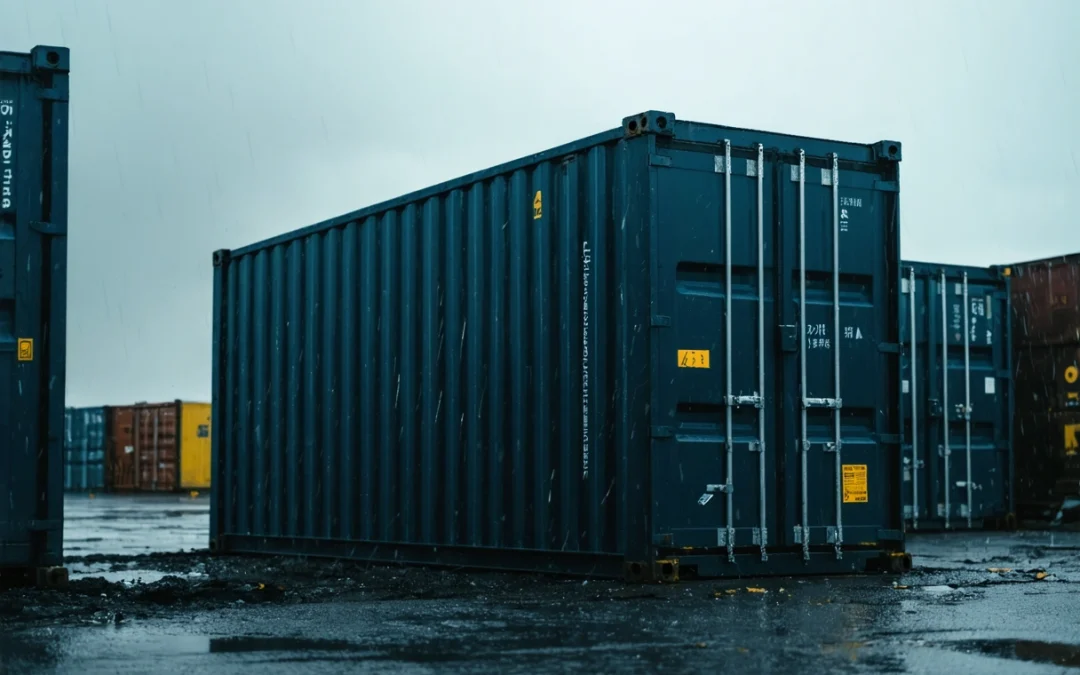
One often overlooked aspect of BCP is the role of on-site storage containers. These versatile and robust solutions not only protect assets but also ensure operational resilience. On-site storage containers serve as a critical component in a company’s strategy to minimize interruptions and maintain operational flow during unexpected events.
The Importance of Asset Protection in Business Continuity
Asset protection is a fundamental element of business continuity planning. It involves safeguarding physical and digital assets to ensure they remain intact and functional in the face of disruptions. Businesses invest significant resources in their assets, making it crucial to protect them from potential threats such as fire, theft, and environmental damage.
On-site storage containers provide a practical solution for asset protection. These containers are made from durable materials that can withstand harsh weather conditions, offering a secure environment for storing valuable equipment, inventory, and records. By incorporating storage containers into their BCP, businesses can mitigate risks and safeguard their investments.
Understanding On-Site Storage Containers
On-site storage containers are portable units that can be placed at a business location to store various types of assets. They are available in different sizes and configurations to meet the specific needs of different industries. These containers are typically constructed from steel, providing a robust and secure solution for storage requirements.
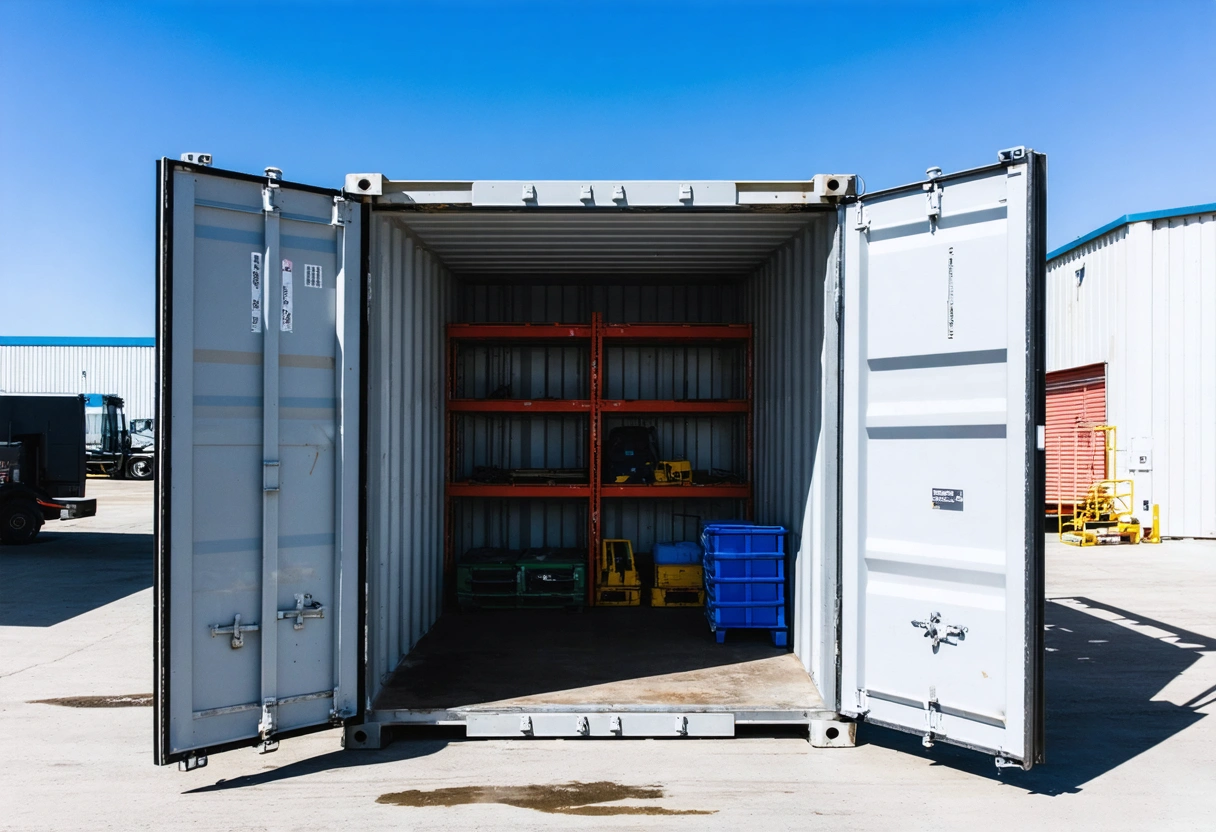
The versatility of on-site storage containers makes them suitable for a wide range of applications. They can be used for temporary storage during renovations, as additional warehouse space, or as a secure location for sensitive documents. Their adaptability and ease of access make them an excellent choice for businesses seeking to enhance their BCP strategies.
Benefits of On-Site Storage Containers in BCP
On-site storage containers offer numerous benefits that make them an integral part of business continuity planning. One of the key advantages is their ability to provide immediate access to essential assets during a crisis. By having critical materials and equipment stored on-site, businesses can reduce downtime and continue operations with minimal interruptions.
Another significant benefit is the security these containers offer. Equipped with advanced locking systems and constructed from sturdy materials, they provide a high level of protection against theft and vandalism. This security feature is particularly important for businesses that store valuable equipment and inventory.
Furthermore, on-site storage containers are an economical solution for businesses. They eliminate the need for off-site storage facilities and transportation costs, reducing overall expenses. Their flexibility allows businesses to adjust their storage capacity as needed, making them a cost-effective option for both short-term and long-term storage requirements.
Real-World Applications of Storage Containers in BCP
Consider a retail business facing the threat of an approaching hurricane. By utilizing on-site storage containers, the company can quickly secure inventory and essential equipment, minimizing potential losses. The containers provide a safe and accessible location to store goods that might otherwise be damaged by flooding or strong winds.
In the construction industry, on-site storage containers can be used to store tools and machinery, ensuring that projects resume promptly after a disruption. These containers help protect expensive equipment from weather-related damage and theft, allowing construction companies to maintain productivity and meet project deadlines.
Integrating Storage Containers into Your BCP
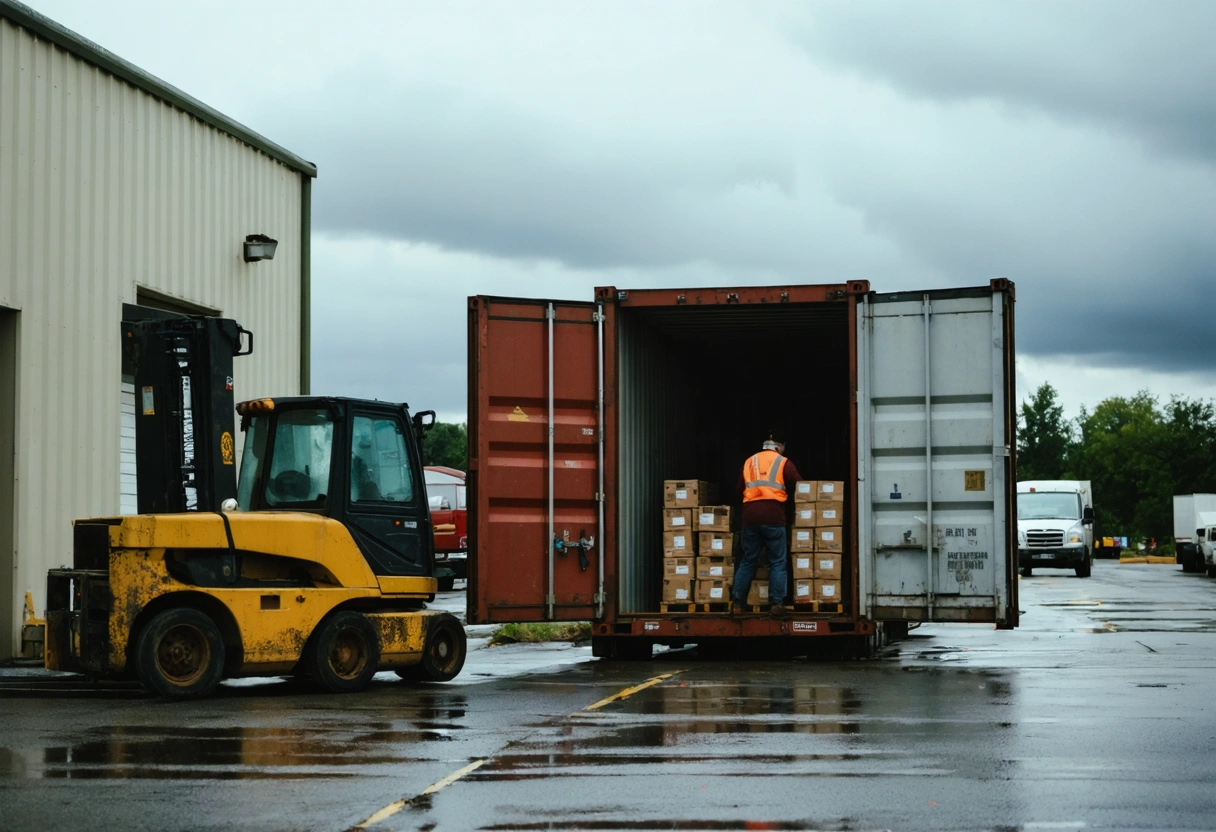
To effectively integrate storage containers into your business continuity plan, it is essential to assess your company’s specific needs and risks. Begin by identifying the types of assets that require protection and determine the appropriate size and configuration of the containers needed.
Develop a comprehensive plan that outlines how the containers will be used during various scenarios, such as natural disasters, supply chain disruptions, or facility renovations. Ensure that your employees are familiar with the procedures for accessing and utilizing the stored assets.
Regularly review and update your BCP to account for changes in your business operations and external threats. By continuously evaluating and refining your strategies, you can optimize the role of on-site storage containers in maintaining business continuity.
Choosing the Right Storage Container Provider
Selecting a reliable storage container provider is crucial to the success of your BCP. Look for providers with a proven track record and positive customer reviews. Evaluate the quality and durability of their containers, as well as the flexibility of their rental or purchase options.
A reputable provider should offer customization options to meet the specific needs of your business. This includes features such as climate control for sensitive items or additional security measures for high-value assets. By partnering with a trusted provider, you can ensure that your storage solutions align with your business continuity objectives.
Securing Your Business’s Future
Incorporating on-site storage containers into your business continuity plan is a proactive step towards protecting your assets and ensuring operational resilience. These containers offer a secure, flexible, and cost-effective solution for safeguarding valuable resources and maintaining business operations during unforeseen disruptions.
By understanding the benefits and applications of storage containers, businesses can make informed decisions that enhance their BCP strategies. Whether faced with natural disasters, supply chain issues, or other challenges, companies equipped with on-site storage containers are better prepared to navigate obstacles and secure their future.
Enhancing Flexibility and Scalability in Business Operations
One of the standout features of on-site storage containers is their inherent flexibility and scalability, which are invaluable for businesses that need to adapt to changing circumstances. Whether a business is expanding its operations, undergoing renovations, or responding to seasonal fluctuations, on-site storage containers can be quickly deployed or removed as needed. This adaptability allows companies to manage their physical space more efficiently, optimizing the use of available resources without incurring significant overhead costs.
For example, a retail business experiencing a seasonal increase in inventory can utilize additional storage containers to accommodate the extra stock. Once the peak season is over, the containers can be easily returned or repurposed, allowing the business to maintain a lean operation. This flexibility helps companies remain agile and responsive to market demands, ultimately contributing to a more resilient business model.
Customizable Storage Solutions for Diverse Needs
On-site storage containers are not a one-size-fits-all solution; they can be customized to meet the diverse needs of various industries. For businesses handling sensitive materials, containers with climate control features can be essential. These containers maintain a consistent internal temperature and humidity level, protecting goods such as pharmaceuticals, electronics, or perishable items from spoilage and damage.
Additionally, businesses with high-security requirements can benefit from containers equipped with enhanced locking mechanisms, alarms, and surveillance systems. By working with a provider that offers customizable options, businesses can ensure that their storage solutions are tailored to their unique operational requirements.
Case Studies: Successful Implementation of On-Site Storage
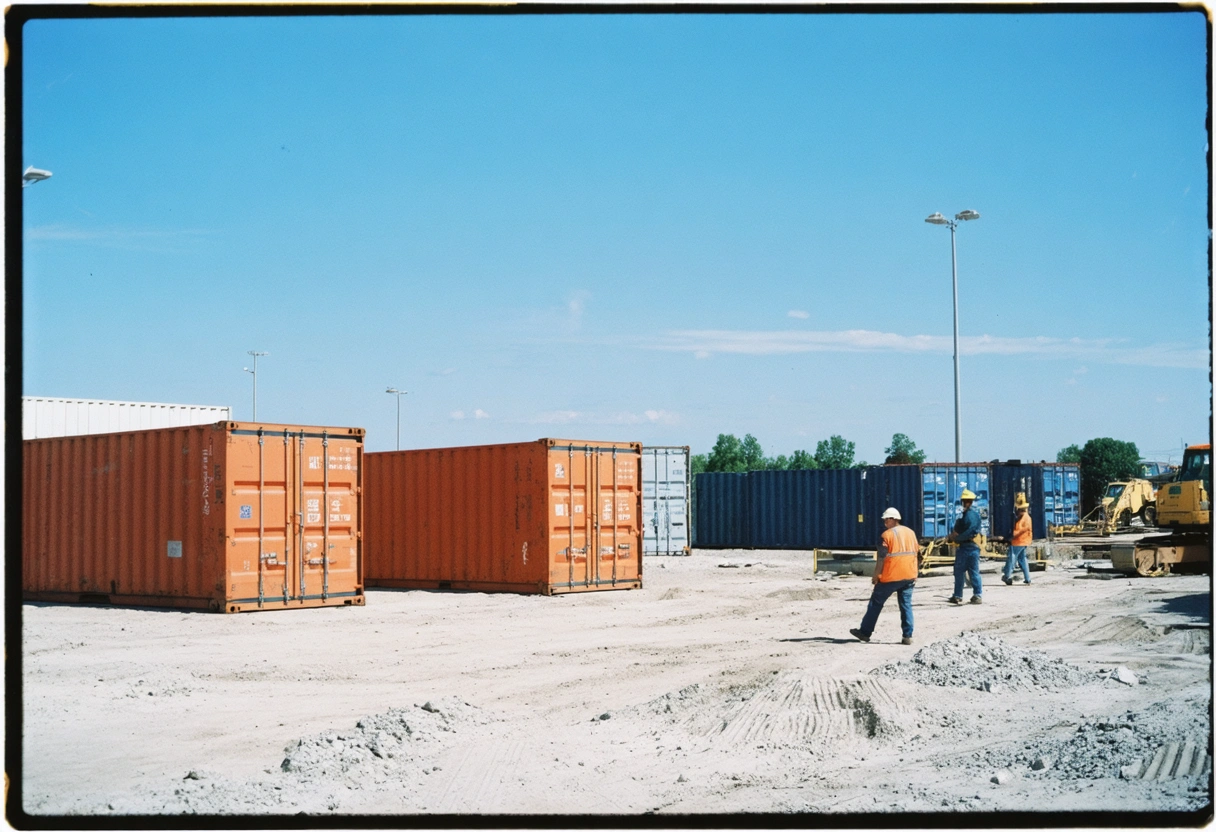
Examining real-world implementations of on-site storage containers reveals the tangible benefits they offer. For instance, a construction firm in Florida utilized on-site storage containers during the hurricane season to protect its equipment and materials. By strategically placing containers on job sites, the company minimized the risk of weather-related damage and was able to resume work promptly after the storms passed.
In another example, a pharmaceutical company facing a shortage of storage space integrated on-site storage containers to house excess inventory. This allowed the company to continue production without interruption while maintaining compliance with safety and storage regulations. The containers provided a secure and controlled environment for the products, ensuring quality and efficacy were preserved.
Overcoming Challenges with On-Site Storage
While the benefits of on-site storage containers are numerous, businesses may encounter challenges during implementation. One common issue is the need for adequate space to place the containers. It’s crucial for businesses to assess their property and determine the best location for the containers, taking into consideration any zoning regulations or site accessibility requirements.
Another challenge is ensuring that employees are adequately trained to use and manage the containers effectively. This includes understanding how to organize stored materials, access items efficiently, and maintain the containers in good condition. By addressing these challenges proactively, businesses can maximize the advantages of on-site storage containers.
Future Trends in On-Site Storage Solutions
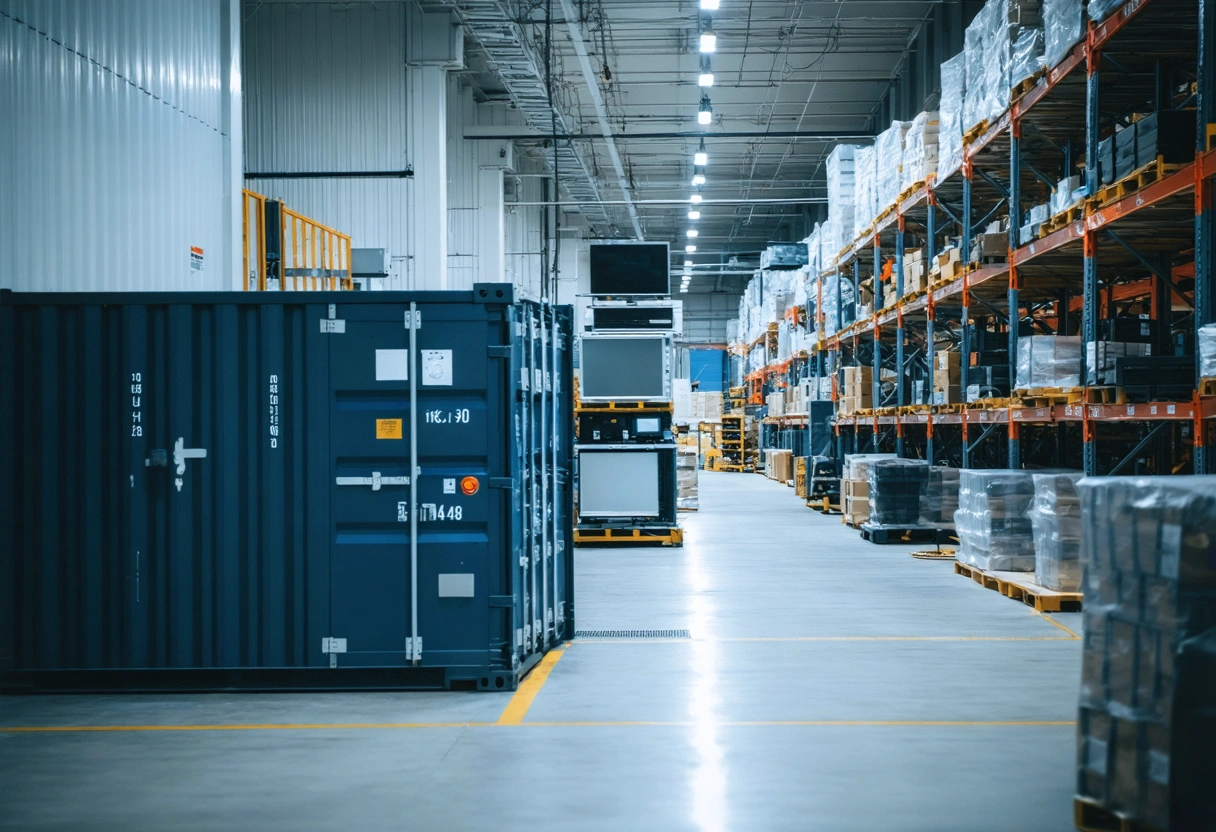
As technology continues to advance, the future of on-site storage solutions looks promising, with innovations aimed at enhancing convenience, security, and efficiency. For instance, the integration of IoT (Internet of Things) technology in storage containers can provide real-time monitoring of environmental conditions, security status, and inventory levels. This data-driven approach allows businesses to make informed decisions and respond swiftly to any issues that may arise.
Additionally, the growing emphasis on sustainability is driving the development of eco-friendly storage solutions. Companies are increasingly seeking containers made from recycled materials or those designed to minimize environmental impact. These sustainable options not only align with corporate social responsibility goals but also appeal to environmentally conscious consumers and stakeholders.
The Role of On-Site Storage in Digital Transformation
In the era of digital transformation, businesses are leveraging technology to enhance operational efficiency and customer experience. On-site storage containers can play a role in this transformation by providing a physical space that supports digital initiatives. For example, a company implementing a new inventory management system can use storage containers to organize and manage stock more effectively, facilitating easier integration with digital tools.
Furthermore, as businesses explore the possibilities of automation and robotics, on-site storage containers can be adapted to accommodate these technologies. By integrating automated systems, companies can streamline processes such as inventory tracking, retrieval, and restocking, reducing manual labor and increasing accuracy.
A Strategic Asset for Business Continuity
On-site storage containers have emerged as a strategic asset in business continuity planning, offering security, flexibility, and cost-effectiveness. By incorporating these containers into their BCP, businesses can protect their assets, enhance operational resilience, and remain agile in the face of change. As companies continue to navigate a rapidly evolving landscape, on-site storage solutions will play an increasingly vital role in ensuring continuity and success.
By staying informed about the latest trends and innovations in storage solutions, businesses can leverage these tools to their fullest potential. Whether facing natural disasters, economic challenges, or technological advancements, on-site storage containers provide the stability and adaptability needed to secure a prosperous future.
Need help with Protecting Your Assets: The Role of On-Site Storage Containers in Business Continuity Planning?