


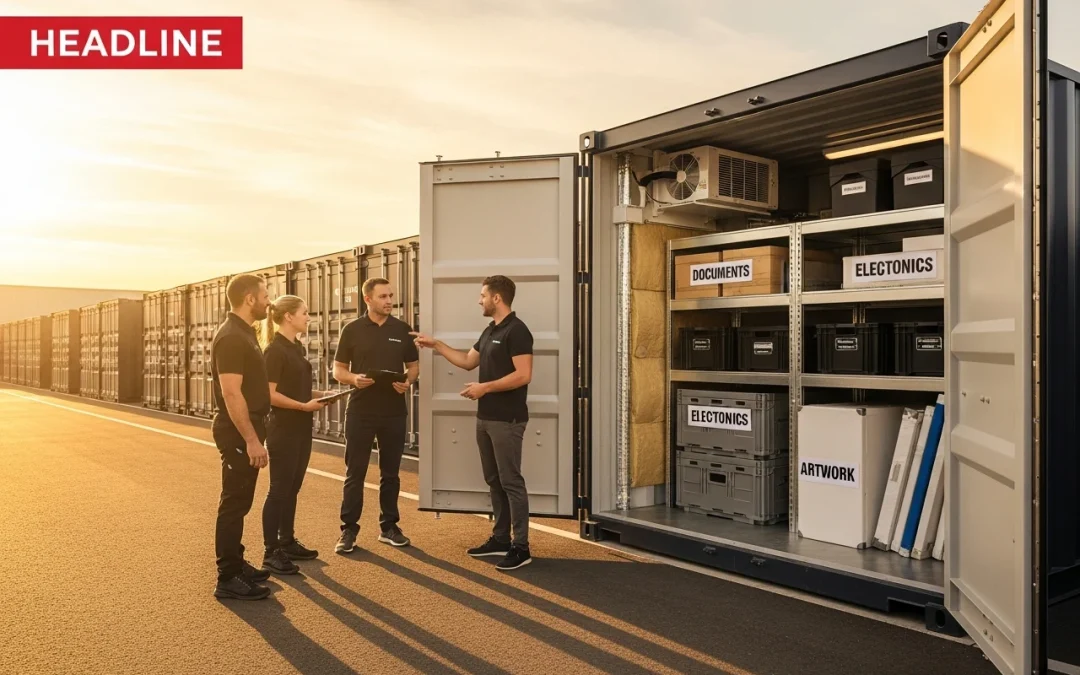
In today’s fast-paced world, storage containers have become an essential solution for storing a wide range of goods, from household items to valuable collections. However, one critical aspect often overlooked is climate control within these containers. Without proper climate regulation, the contents can suffer damage from extreme temperatures and humidity levels. Understanding how to maintain a stable environment within storage containers is vital to protect your valuables effectively.
With the right climate control measures, storage containers can provide a secure and stable environment for your belongings. Learning how to manage temperature and humidity will ensure that your items remain in pristine condition, regardless of the weather conditions outside.
Understanding the Importance of Climate Control
Climate control in storage containers is crucial for preserving the integrity of your stored items. Fluctuations in temperature and humidity can lead to various forms of damage, including warping, mold growth, and metal corrosion. This is particularly true for sensitive items such as electronics, documents, and artwork.
For instance, archival documents require specific environmental conditions to prevent deterioration. Similarly, musical instruments made of wood or metal can warp or rust if not kept under controlled conditions. Understanding these risks highlights the need for effective climate control in storage environments.
Temperature Fluctuations and Their Impact
Extreme temperatures can cause significant damage to stored items. For example, high heat can lead to the expansion of materials, while cold temperatures can cause contraction, both of which may result in permanent damage. Electronics are particularly susceptible to temperature changes, as overheating can damage internal components, and freezing temperatures can lead to condensation and moisture buildup.
To mitigate these risks, it’s essential to maintain a consistent temperature within your storage container. Using insulation and climate control systems can help regulate the temperature and protect your valuables from the adverse effects of temperature fluctuations.
Humidity Control: A Critical Component
Humidity control is just as important as temperature regulation when it comes to protecting your valuables. Excessive moisture in the air can lead to mold growth, which can damage a wide range of materials, from fabrics and paper to wood and leather. On the other hand, too little humidity can cause materials to dry out and crack.
To maintain optimal humidity levels, consider using a dehumidifier or a humidifier, depending on your location and the natural climate. It’s crucial to keep humidity levels between 30% and 50% to ensure the safety of your stored items. Regular monitoring with a hygrometer can help you track and adjust humidity levels as needed.
Preventing Mold and Mildew
Mold and mildew thrive in environments with high humidity and poor ventilation. To prevent their growth, ensure your storage container is well-ventilated. This can be achieved by installing ventilation fans or air vents to promote air circulation. Additionally, using desiccants like silica gel packets can help absorb excess moisture and keep your container dry.
Regularly inspecting your storage container for signs of mold and mildew can help you address any issues before they cause significant damage. If you do find mold, it’s essential to clean it promptly using appropriate cleaning solutions designed to kill mold spores.
Implementing Climate Control Solutions
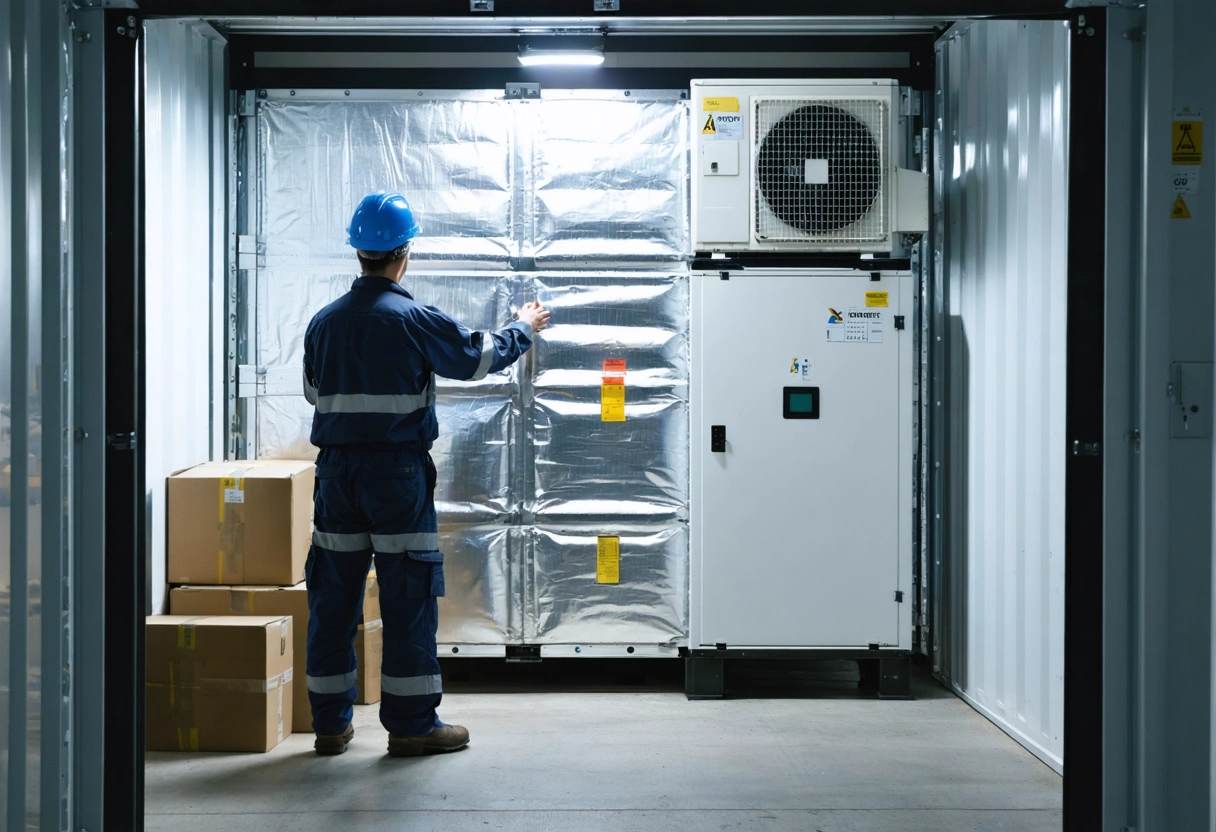
Implementing climate control solutions in your storage container involves a combination of insulation, temperature regulation, and humidity management. Insulation is the first line of defense against external temperature changes. Properly insulating your container helps maintain a stable internal environment, reducing the need for additional climate control measures.
Once insulated, consider installing a climate control system designed for storage containers. These systems often include both heating and cooling capabilities, allowing you to maintain a consistent temperature year-round. Additionally, integrating a dehumidifier or humidifier into your setup can help manage moisture levels effectively.
Choosing the Right Insulation
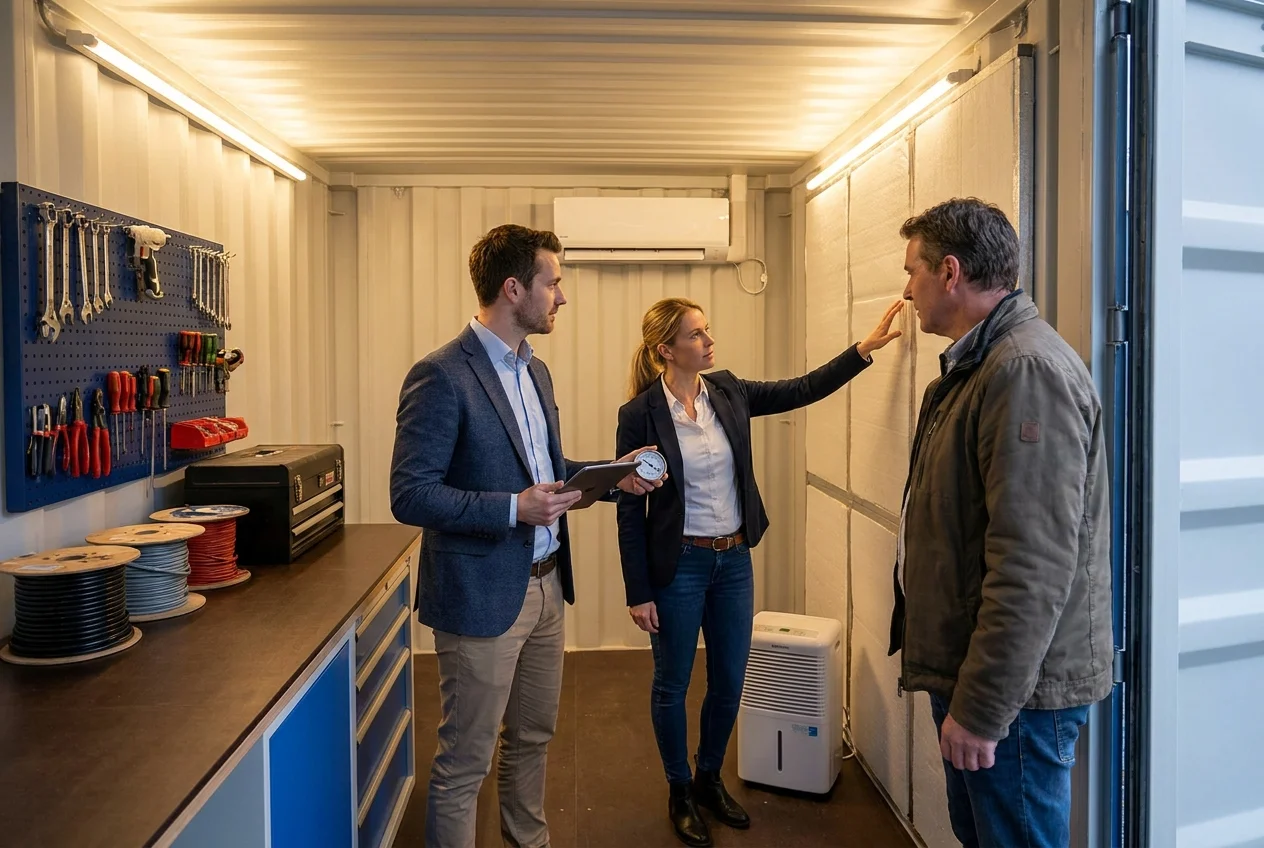
When selecting insulation for your storage container, consider the climate of your location and the specific needs of your stored items. Common insulation options include fiberglass, foam board, and spray foam. Each type of insulation offers different advantages in terms of thermal resistance and installation ease.
For example, foam board insulation provides excellent thermal resistance and is relatively easy to install, making it a popular choice for storage containers. Spray foam, while more expensive, offers superior insulation properties and can seal gaps and cracks to prevent air leaks.
Regular Monitoring and Maintenance
Establishing a robust climate control system is only the beginning; regular monitoring and maintenance are crucial to ensure continued protection of your valuables. Periodically check the temperature and humidity levels within your container to confirm that they remain within the desired range. This can be easily accomplished with the use of digital thermometers and hygrometers.
Additionally, inspect your climate control equipment regularly to ensure it is functioning correctly. Filters in air conditioning units and dehumidifiers should be cleaned or replaced as needed to maintain their efficiency. By staying proactive with maintenance, you can prevent potential failures that might jeopardize the condition of your stored items.
Addressing Unexpected Issues
Despite best efforts, unexpected issues such as power outages or equipment malfunctions can occur. Having a contingency plan in place can mitigate the impact of these events. For instance, investing in a backup generator can ensure your climate control systems remain operational during power outages, reducing the risk of temperature and humidity fluctuations.
In the event of equipment failure, having a list of reliable repair services can expedite the resolution process. Promptly addressing issues as they arise will help maintain the integrity of your storage environment and protect your valuables from damage.
Ensuring the Longevity of Your Valuables
Implementing climate control measures in your storage container is a vital step in safeguarding your valuables from the damaging effects of temperature and humidity fluctuations. By understanding the importance of climate regulation and taking proactive steps to manage the environment within your container, you can ensure the longevity and preservation of your stored items.
Whether you are storing family heirlooms, electronics, or important documents, maintaining a stable climate is essential. By investing in the right insulation, climate control systems, and regular maintenance, you can create a secure environment that protects your valuables from the elements. For more information on climate control and storage solutions, consider exploring resources from reputable organizations such as the Smithsonian Institution or the National Park Service.
Advanced Climate Control Technologies
As technology advances, new climate control solutions are emerging to provide even more effective protection for stored items. These advanced systems not only offer greater precision in maintaining temperature and humidity but also incorporate smart features that allow for remote monitoring and management.
One such technology is the integration of smart thermostats and environmental sensors. These devices can be connected to a central hub or smartphone app, allowing you to monitor real-time conditions within your storage container. Alerts can be set up to notify you of any fluctuations outside of the desired range, enabling timely interventions before damage occurs.
Energy Efficiency and Automation
Another significant advancement is the focus on energy efficiency and automation in climate control systems. Modern systems are designed to optimize energy usage, reducing operating costs while maintaining optimal environmental conditions. Automated systems can adjust settings based on external weather conditions, ensuring your storage container remains at the ideal temperature and humidity levels without wasting energy.
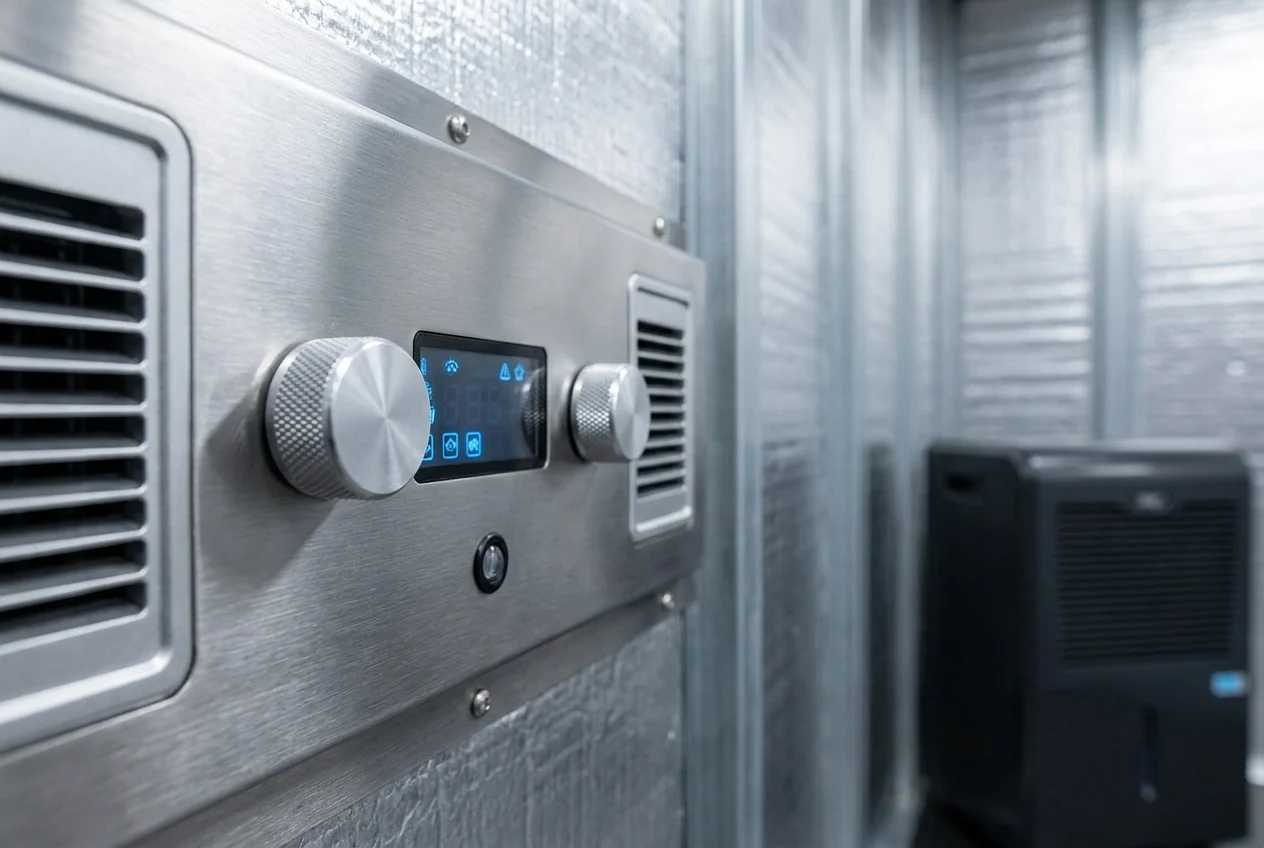
Solar-powered climate control systems are also gaining popularity, offering a sustainable and cost-effective solution for maintaining climate control. By harnessing renewable solar energy, these systems can significantly reduce reliance on traditional power sources, making them an excellent option for eco-conscious individuals and businesses.
Customizing Climate Control for Specific Needs
Every storage situation is unique, and customizing your climate control setup to suit specific needs can provide added protection for your valuables. Whether you’re storing wine collections, antiques, or specialized equipment, tailoring the environment to the particular requirements of your items ensures they remain in optimal condition.
For instance, wine storage requires precise temperature and humidity control to preserve flavor and prevent spoilage. Wine enthusiasts often use specialized wine coolers or dedicated climate-controlled storage units that maintain consistent conditions ideal for wine preservation. Similarly, art collectors may require sophisticated climate control systems that include UV protection to safeguard valuable artwork from light damage.
Consulting with Experts
Given the complexity of some storage needs, consulting with experts can offer valuable insights into the best climate control practices for your specific situation. Professionals in the fields of art conservation, archival science, or wine preservation can provide tailored recommendations on the most effective strategies to protect your items.
Experts can also assist in the installation and maintenance of advanced climate control systems, ensuring they function optimally and meet the specific requirements of your stored items. By leveraging professional knowledge, you can enhance the protective measures within your storage container, offering peace of mind and preserving the value of your possessions.
Future Trends in Storage Container Climate Control
The future of climate control in storage containers is poised to become even more sophisticated as technology continues to evolve. Emerging trends indicate a move towards fully integrated smart systems that offer comprehensive environmental management with minimal user intervention.
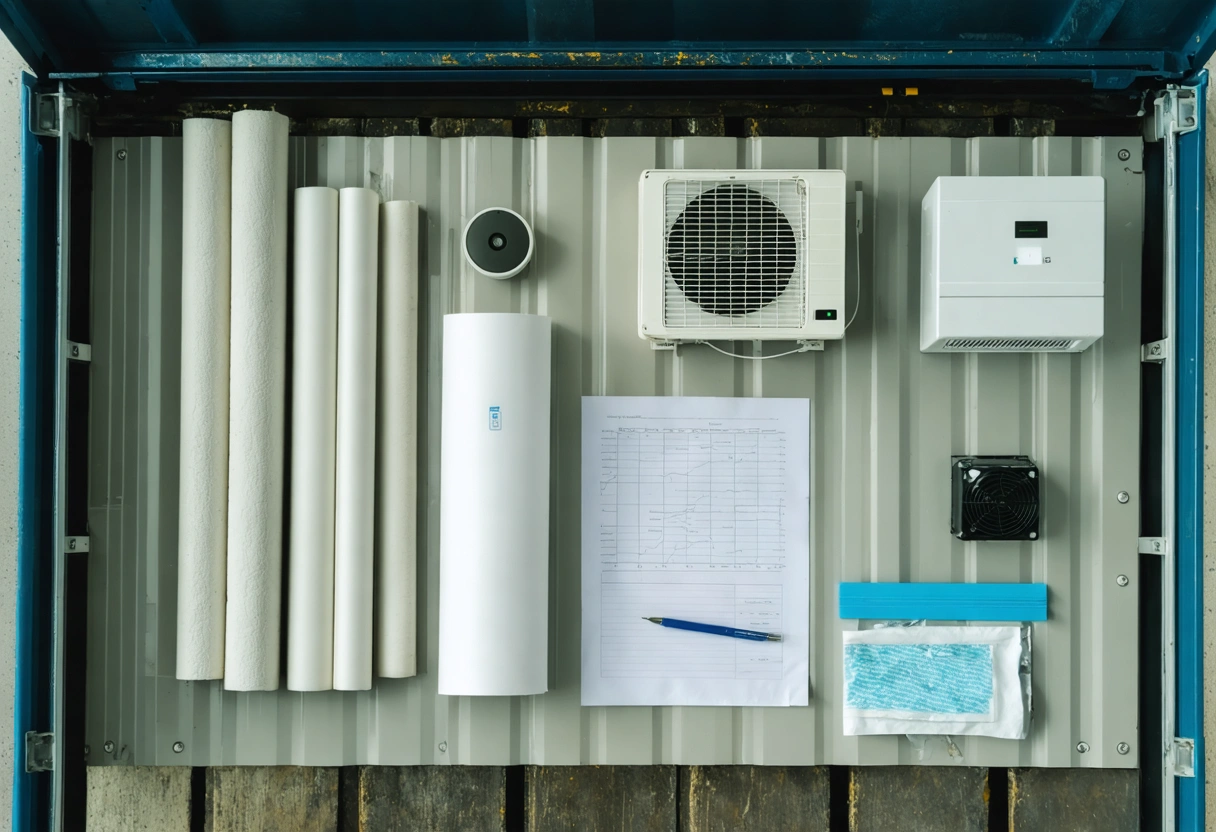
One anticipated development is the use of artificial intelligence (AI) to analyze environmental data and make predictive adjustments. AI algorithms can learn from historical data and external factors, enabling climate control systems to preemptively adjust settings to avoid potential issues before they arise.
The Role of IoT in Storage Solutions
The Internet of Things (IoT) is also playing an increasingly important role in storage solutions. IoT-enabled devices can communicate with each other and with central management systems to provide a holistic view of the storage environment. This interconnectedness allows for seamless monitoring and control, as well as the integration of additional security measures.
For example, IoT sensors can detect unauthorized access or environmental anomalies, triggering alerts and initiating corrective actions. Such innovations are paving the way for smarter, safer, and more efficient storage solutions that cater to the diverse needs of consumers and businesses alike.
Embracing Climate Control Innovation
In conclusion, the importance of climate control in storage containers cannot be overstated. As we continue to advance technologically, embracing innovative solutions will be key to ensuring the safety and preservation of our valuables. From basic temperature and humidity management to cutting-edge smart systems, the options available today offer unparalleled protection for a wide array of stored items.
By staying informed about the latest trends and technologies, and by customizing climate control strategies to suit your specific needs, you can create a storage environment that not only safeguards your possessions but also adapts to future challenges. As we look ahead, the integration of AI, IoT, and sustainable practices will undoubtedly shape the future of climate-controlled storage, offering even greater possibilities for protecting what matters most.
Need help with Climate Control in Storage Containers: Essential Tips for Protecting Your Valuables?