


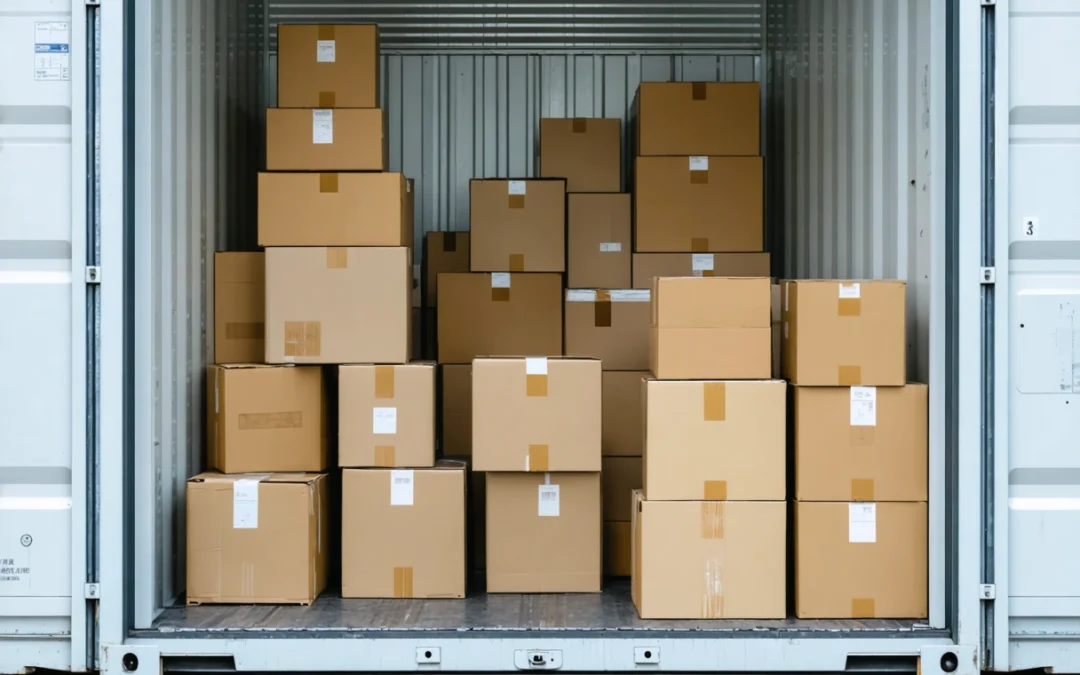
The Art of Stacking: How to Efficiently Arrange Your Items in an On-Site Storage Container
In the world of storage and organization, mastering the art of stacking is crucial to maximizing space and ensuring the safety and accessibility of your items. With the increasing use of on-site storage containers, understanding how to efficiently arrange your items can save you time, money, and stress. This comprehensive guide will delve into the principles of effective stacking and provide you with actionable tips to make the most of your storage container.
Understanding the Basics of Stacking
Before diving into advanced techniques, it’s essential to grasp the basics of stacking. Proper stacking involves arranging items in a manner that utilizes vertical space while maintaining stability and accessibility. This means placing heavier, sturdier items at the bottom and lighter, fragile items on top.
Consider the weight distribution and center of gravity for each item. A well-stacked container balances these elements to prevent tipping or collapsing. Remember, efficient stacking is not just about fitting everything in; it’s about maintaining easy access and protecting your belongings.
Preparing Your Items for Storage
Preparation is key when storing items in an on-site storage container. Start by taking an inventory of all the items you plan to store. Categorize them based on size, weight, fragility, and frequency of use. This inventory will help you create a mental map of how to arrange your items.
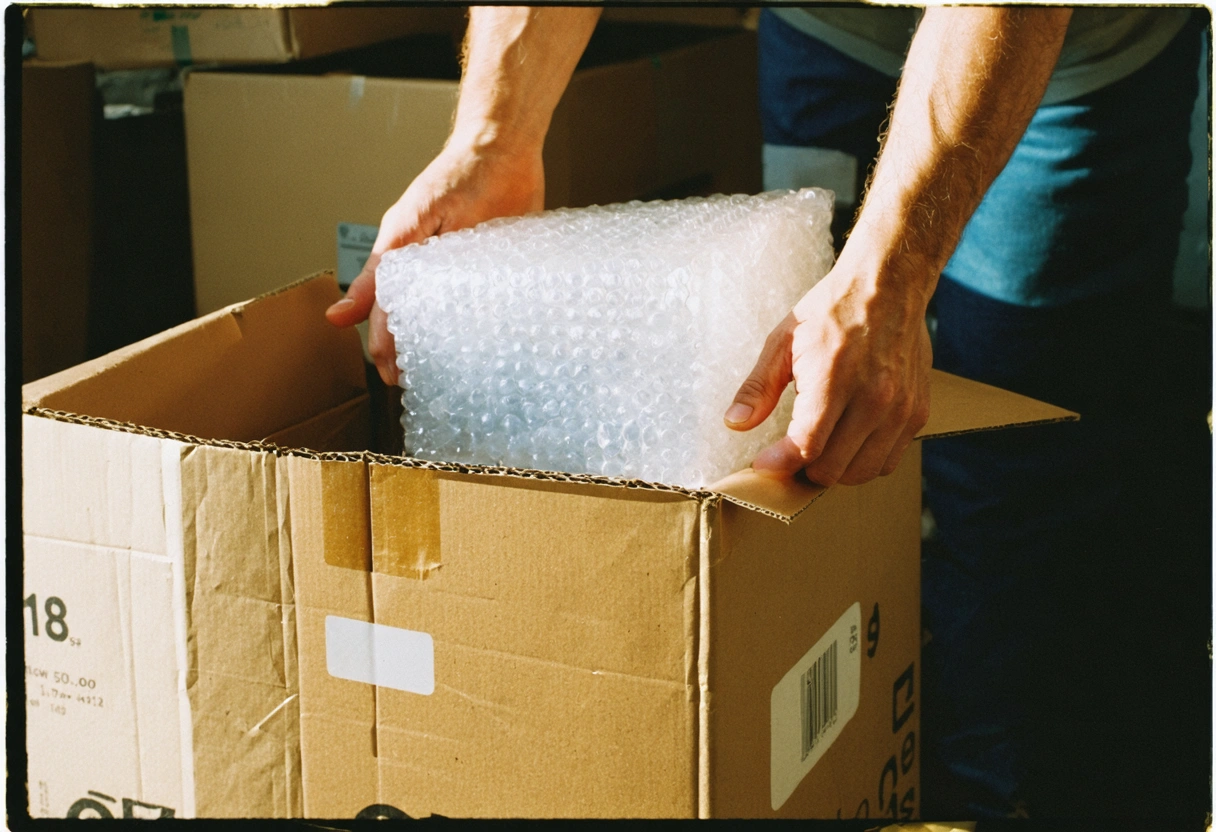
Properly pack your items to protect them during storage. Use sturdy boxes for heavy items and bubble wrap or packing paper for fragile ones. Label each box clearly, indicating its contents and weight, which will be invaluable when you start stacking. For more detailed insights on packing techniques, consider reading this comprehensive guide on packing tips.
Maximizing Space with Vertical Stacking
One of the main advantages of using a storage container is the ability to stack items vertically. Begin by placing the largest and heaviest items at the bottom. This foundation can include furniture pieces, large appliances, or sturdy boxes. Make sure these items are evenly distributed to create a stable base.
Once your base is secure, layer medium-sized items. Use similar-sized boxes to create even layers. This approach not only maximizes space but also prevents boxes from shifting or falling. Finally, place lighter and more fragile items on top. Utilize every inch of vertical space by stacking up to the ceiling, but avoid overloading, which can lead to damage or injury.
Utilizing Shelving Solutions
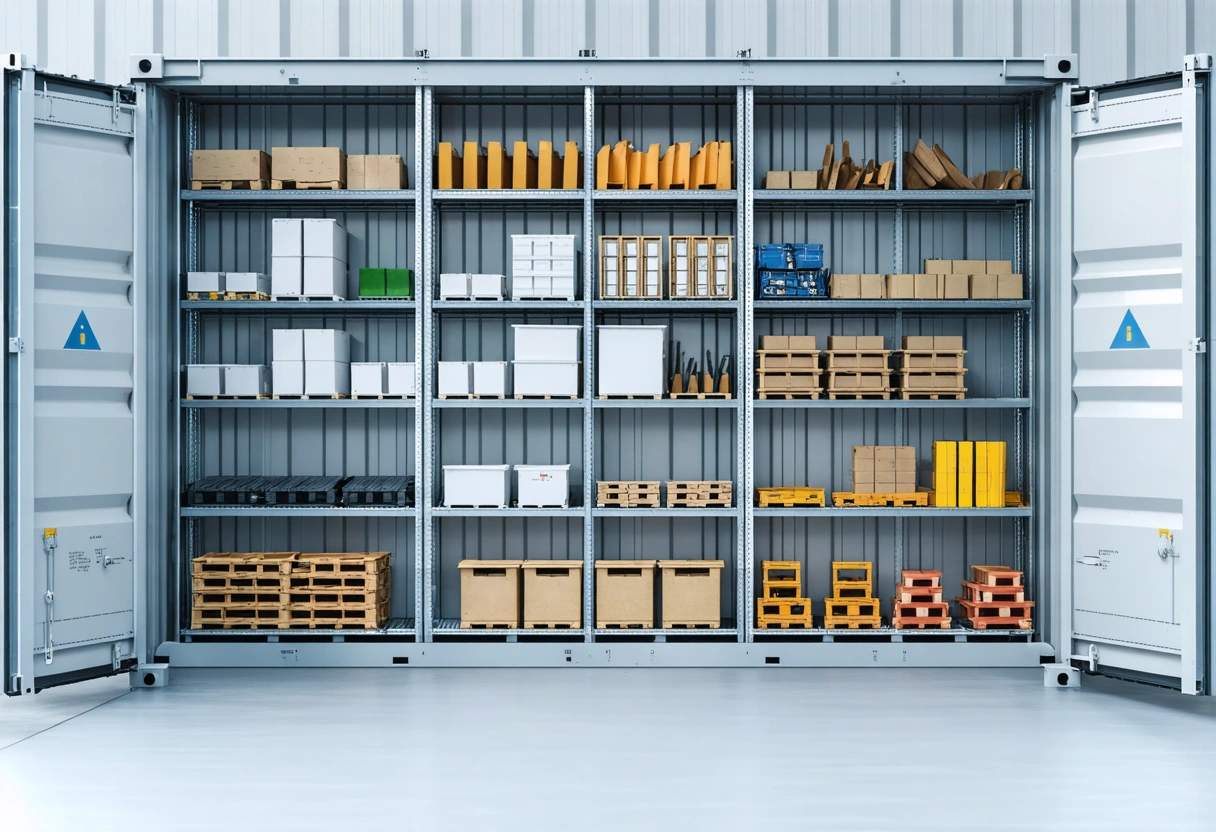
Investing in shelving units can significantly enhance the organization of your storage container. Shelving allows you to store items in a systematic manner, providing easy access and preventing stacks from toppling over. Opt for adjustable shelves to accommodate items of varying sizes.
When using shelves, place heavier items on lower levels and lighter items higher up. This not only ensures stability but also makes it easier to retrieve frequently used items. For more information on selecting the right shelving, check out this detailed article on garage storage shelves.
Implementing Strategic Placement
Strategic placement of items within your container is vital for efficiency. Start by placing items you need to access frequently near the entrance. This could include seasonal decorations, tools, or any items you anticipate needing more often. By doing so, you minimize the hassle of navigating through the storage to reach them.
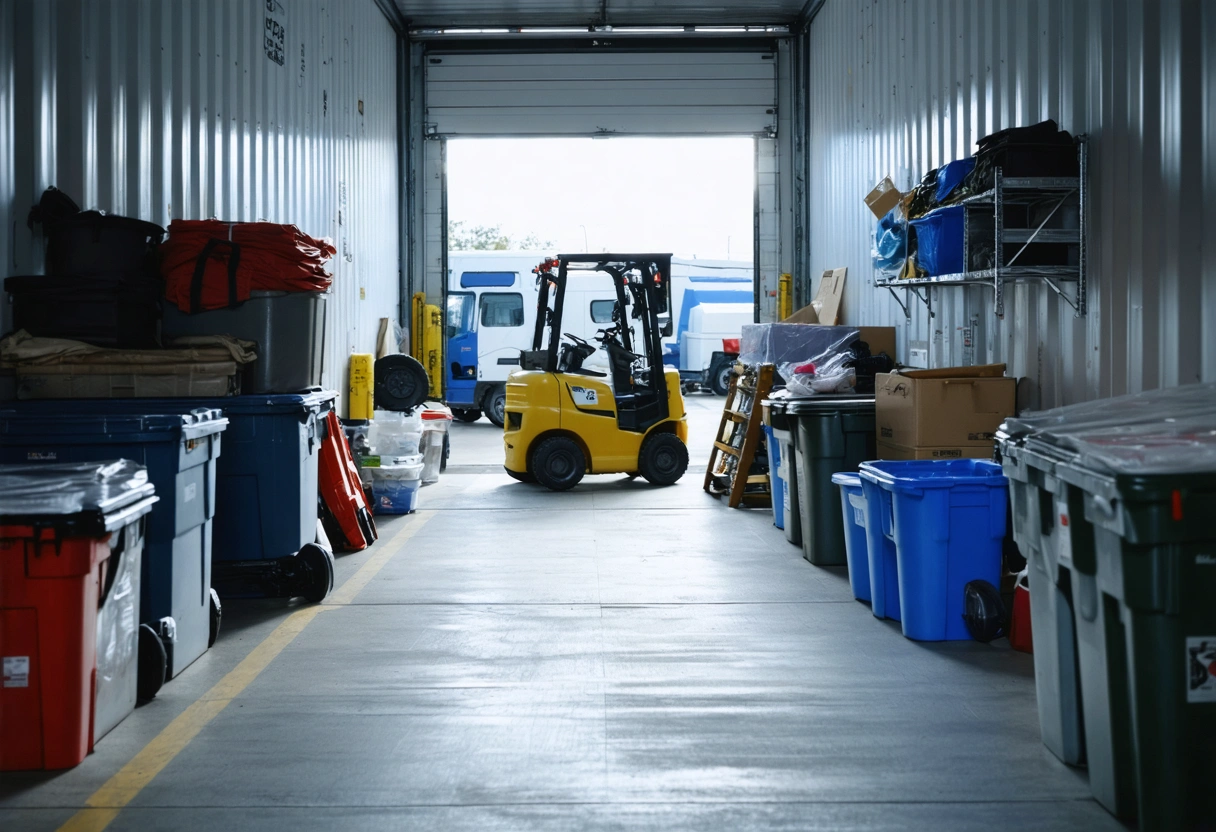
For items that will remain in storage for extended periods, place them towards the back or bottom. This strategy not only organizes your container but also reduces the time spent searching for items. Consider the layout of your container as a dynamic entity that can evolve based on your needs. Learn more about effective organization strategies by exploring this insightful piece on organizing ideas.
Maintaining Safety and Accessibility
Safety should always be a top priority when stacking items in a storage container. Ensure that heavy items are securely placed and won’t shift during transit or when accessing other items. Use straps or bungee cords to secure unstable items, especially if your storage container will be moved.
Maintaining clear pathways within your storage container is crucial for accessibility. Leave enough space between stacks for easy movement and retrieval. Avoid creating towering stacks that are hard to manage or reach. Regularly review and reorganize your storage container to adapt to new items or remove unnecessary ones. For further safety tips, check this resource on safe storage practices.
Utilizing Space-Saving Tools and Techniques
Consider using space-saving tools and techniques to optimize your storage container’s capacity. Vacuum storage bags can compress bulky items like bedding or clothing, reducing their size significantly. Stackable bins or crates can also enhance organization and accessibility.
For odd-shaped items, such as bicycles or gardening tools, wall-mounted hooks or pegboards can be a game-changer. These tools free up floor space and keep items organized. Explore more innovative space-saving ideas by visiting this article on space-saving storage ideas.
Mastering the Art of Stacking
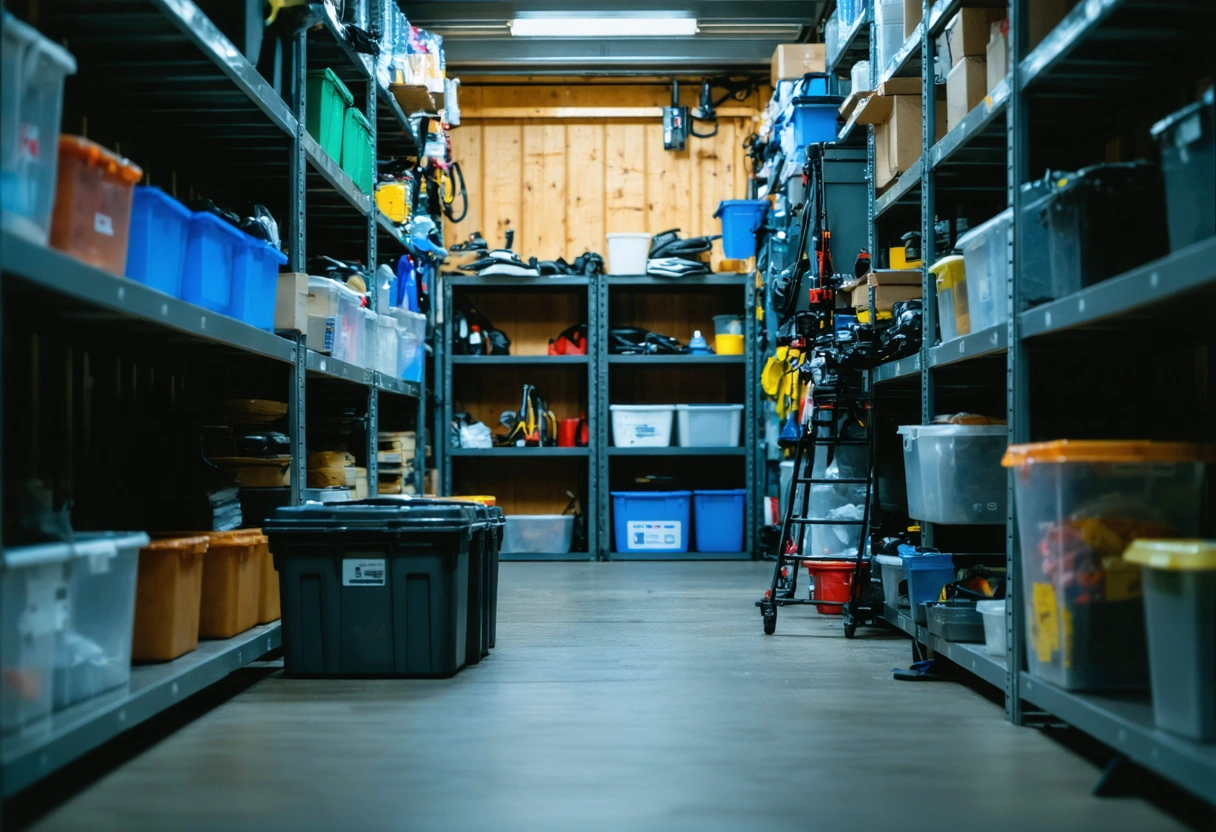
Efficiently arranging your items in an on-site storage container is an art that involves careful planning, strategic placement, and the use of space-enhancing tools. By understanding the basics of stacking and implementing the techniques discussed in this guide, you can transform your storage container into a well-organized and accessible space.
Remember, the key to successful stacking lies in preparation, safety, and regular reassessment of your storage needs. Embrace these principles, and you’ll find that even the smallest storage container can accommodate a surprising amount of items while keeping them safe and easily accessible.
Whether you’re storing items for a short period or looking for a long-term solution, mastering the art of stacking will ensure that your belongings are well-protected and your storage container is efficiently utilized.
As you continue to refine your stacking technique, consider the specific needs of your storage situation and adjust your strategies accordingly. Here are additional insights and strategies to enhance your storage container organization, ensuring every inch is used efficiently and safely.
Understanding the Role of Climate and Environment
When organizing your on-site storage container, it’s crucial to consider the environmental conditions. Temperature and humidity can affect the integrity of your stored items, especially if they include electronics, wooden furniture, or delicate fabrics. If you live in an area with extreme temperature fluctuations, it might be worthwhile to invest in climate-controlled solutions or protective covers for sensitive items.
Additionally, be mindful of potential pests. Seal all boxes tightly and avoid storing food or perishable goods. Regularly check your container for signs of pest activity and take preventative measures to protect your belongings. For more detailed advice on managing climate considerations, refer to this guide on climate-controlled storage.
Incorporating Seasonal Rotation
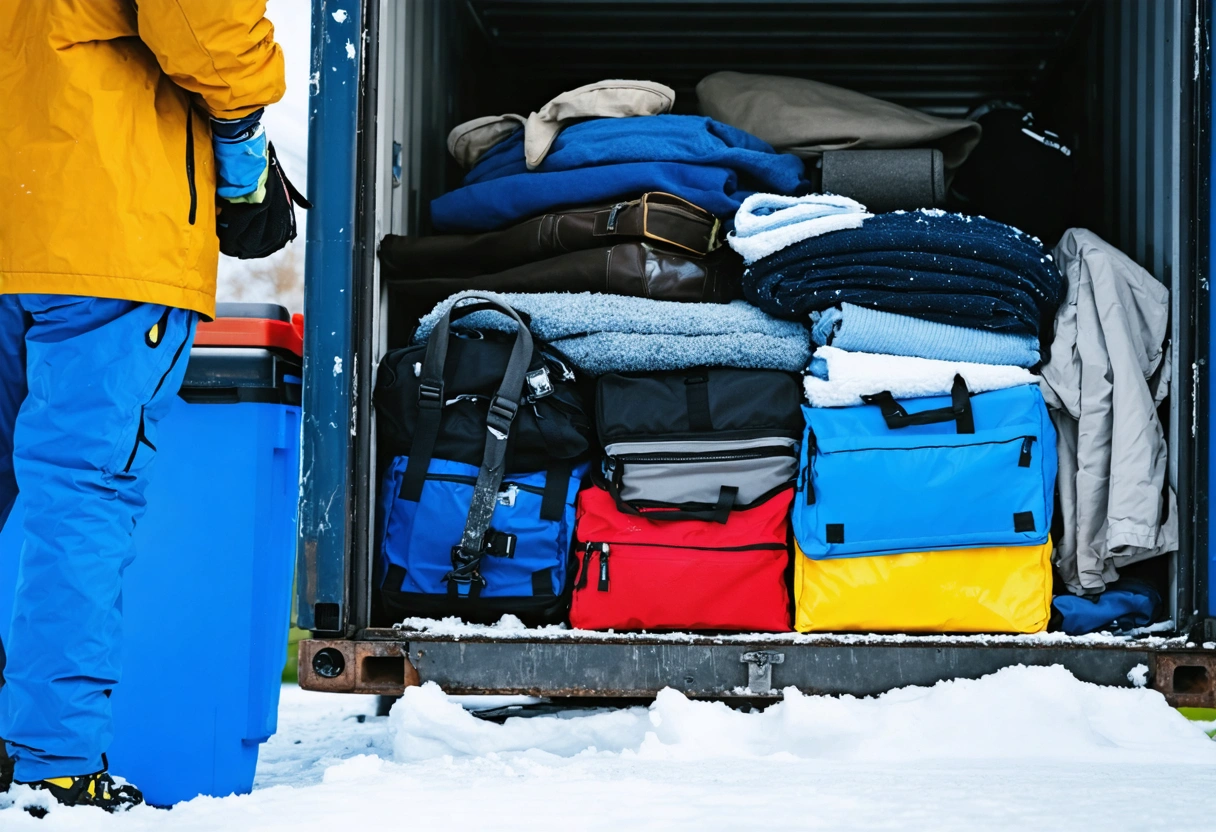
Seasonal rotation is a highly effective strategy for managing your storage container throughout the year. Arrange your items based on the seasons, placing frequently used seasonal items within easy reach. For instance, store winter items such as snow blowers and holiday decorations in accessible spots during the colder months, then swap them with summer gear like lawn mowers and patio furniture as the seasons change.
This rotation not only keeps your container organized but also ensures you are never caught off guard by seasonal needs. To streamline this process, maintain a seasonal inventory checklist that can be updated as you add or remove items. Explore more about seasonal organization techniques in this seasonal organization guide.
Leveraging Technology for Inventory Management
In the digital age, technology can be a powerful ally in managing your storage container efficiently. Consider using inventory management software or apps to track your items. These tools allow you to create digital records of your belongings, complete with photos and descriptions, which can be particularly useful for insurance purposes or when planning item retrieval.
Many apps also offer features such as barcode scanning and location tagging, making it easier to find items within your container. By leveraging technology, you can reduce the time spent searching for items and ensure nothing gets lost or forgotten. For more information on selecting the right inventory tool, check out this list of inventory management apps.
Adapting to Changing Storage Needs
Your storage needs are likely to evolve over time due to lifestyle changes, such as moving house, expanding your family, or downsizing. It’s essential to periodically reassess your storage arrangement to ensure it continues to meet your needs. Regularly declutter your storage container and remove items you no longer need or use.
Adapting your storage solution to reflect these changes will keep your container organized and prevent it from becoming overwhelmed with unnecessary items. Consider implementing a bi-annual audit of your storage container, assessing each item’s necessity, condition, and frequency of use. For tips on effective decluttering, consider reading this decluttering guide.
Optimizing for Future Growth and Expansion
When organizing your storage container, think ahead to potential future needs. Whether you’re planning to acquire more items or simply anticipate changes in storage requirements, it’s wise to leave room for growth. This might mean leaving some space unoccupied or investing in modular shelving systems that can be adjusted as your needs change.
Planning for future growth not only prevents overcrowding but also ensures a long-term solution that adapts with you. By anticipating future changes, you maintain a flexible and efficient storage system that accommodates both your current and forthcoming needs.
Embracing a Dynamic Storage Strategy
Mastering the art of stacking and organizing an on-site storage container is an ongoing process that requires adaptability and foresight. By understanding and implementing these advanced strategies, you can create a storage environment that is not only efficient but also adaptable to your evolving needs.
Remember, the key to success lies in regular maintenance, strategic planning, and a willingness to embrace new tools and techniques. Whether you’re storing personal belongings, business inventory, or seasonal equipment, a well-organized storage container will save you time, protect your investments, and provide peace of mind.
As you continue to refine your approach, you’ll discover that the art of stacking is not just about physical arrangement but also about creating a harmonious and functional space that enhances your life and operations.
Need help with The Art of Stacking: How to Efficiently Arrange Your Items in an On-Site Storage Container?