


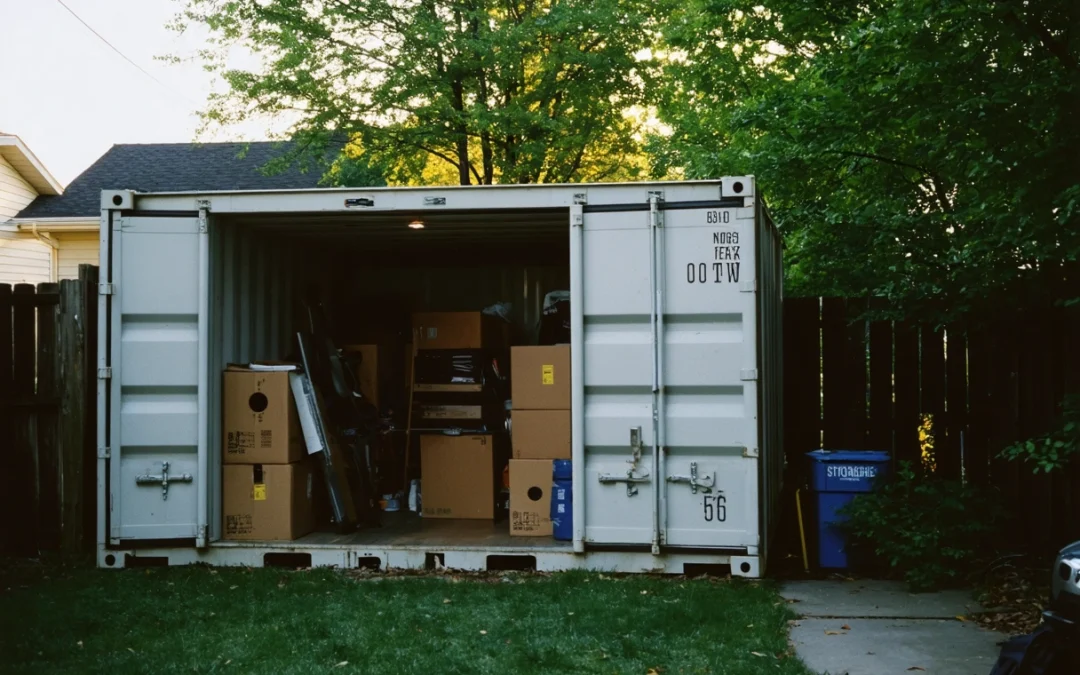
Efficient Packing Strategies for On-Site Storage Containers: A Guide to Prevent Damage and Save Space
When it comes to optimizing storage solutions, on-site storage containers have become an increasingly popular choice. Whether you’re managing a construction project, moving homes, or simply looking for additional storage, packing these containers efficiently is crucial. Not only does it maximize space, but it also prevents damage to your belongings. In this guide, we will delve into effective packing strategies that ensure your items are stored safely and securely.
Understanding the Benefits of On-Site Storage Containers
On-site storage containers offer flexibility and convenience, allowing you to access your belongings whenever necessary. They are particularly beneficial in situations where traditional storage facilities might not be feasible. These containers are available in various sizes, making them suitable for a range of storage needs, from small residential projects to large-scale commercial endeavors.
However, the key to leveraging these benefits lies in how well you utilize the available space. Proper packing not only allows you to store more items but also protects them from potential damage. To achieve this, a strategic approach to packing is essential.
Prioritize a Packing Plan
Before you begin packing, it’s important to devise a plan. Start by inventorying all the items you intend to store. This will help you determine the size of the container you’ll need and give you a clearer picture of how to organize your belongings. Consider categorizing items based on their fragility, weight, and size.
Next, create a layout plan. Think of your container as a three-dimensional puzzle. Strategically place items to ensure they fit snugly, minimizing movement during transportation. Heavy items should form the base, with lighter and more delicate items placed on top. This foundational packing principle helps prevent damage and optimizes space.
Utilize Proper Packing Materials
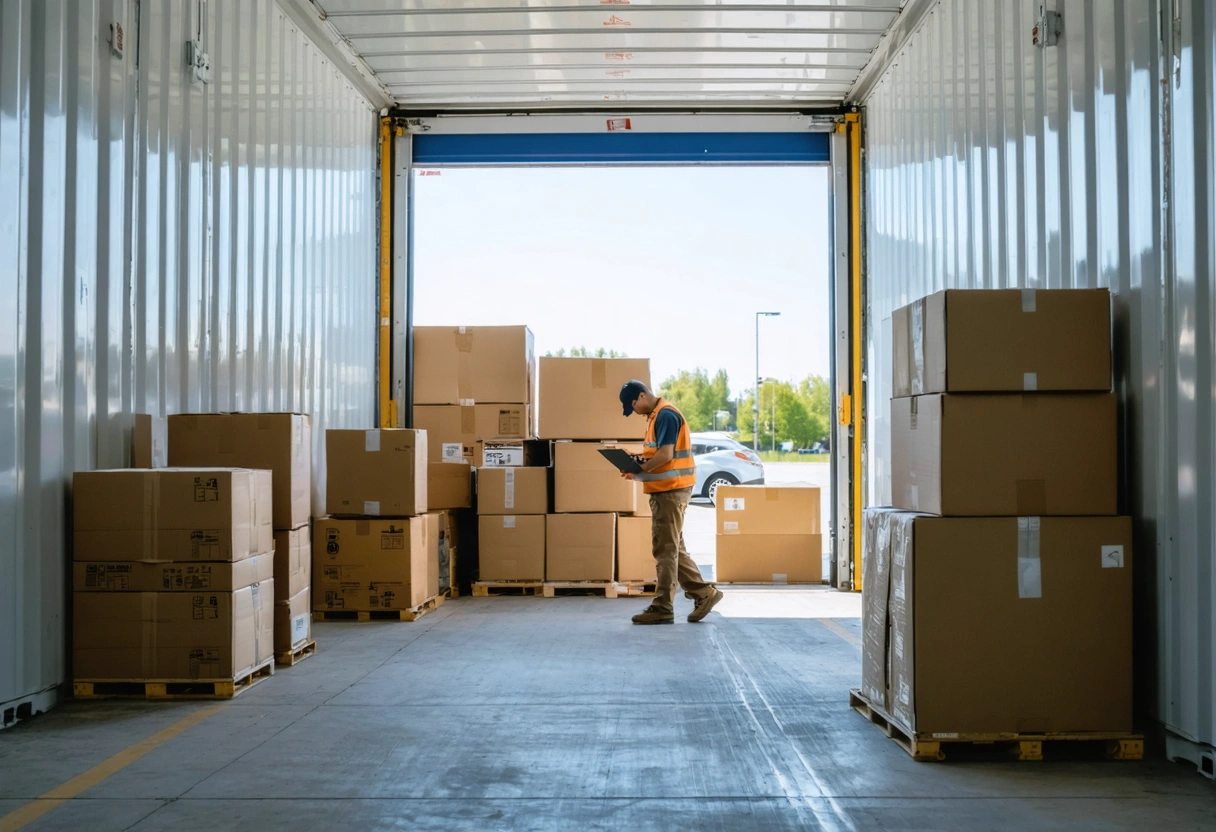
Investing in quality packing materials is crucial. Use sturdy boxes and consider utilizing bubble wrap or packing paper for fragile items. Additionally, plastic covers can protect furniture from dust and moisture. For irregularly shaped items, consider using blankets or towels for cushioning.
Organize your boxes by size and weight. Larger, heavier boxes should be placed at the bottom of the container, while smaller, lighter boxes should be stacked on top. This method not only stabilizes the load but also makes it easier to access items when needed.
Label and Catalog Everything
Labeling your boxes is a simple yet effective way to keep track of what’s inside. Use clear and descriptive labels, and consider numbering your boxes and maintaining an inventory list. This way, you’ll know exactly where each item is packed, saving you time and frustration during retrieval.
For added convenience, consider using a digital cataloging system. There are several apps available that allow you to take photos of your items and assign them to specific boxes. This approach offers a visual reference and can be particularly helpful if you’re storing items for an extended period.
Optimize Space with Smart Packing Techniques
To make the most of your container’s space, consider employing smart packing techniques. For example, take apart large furniture items, such as bed frames or tables, to save space. Store the pieces vertically when possible and use smaller items to fill gaps.
Another useful technique is to use stackable storage bins. These bins are durable, provide better protection than cardboard boxes, and are easier to stack. Additionally, they come in various sizes, allowing you to maximize vertical space within the container.
Protect Fragile Items with Care
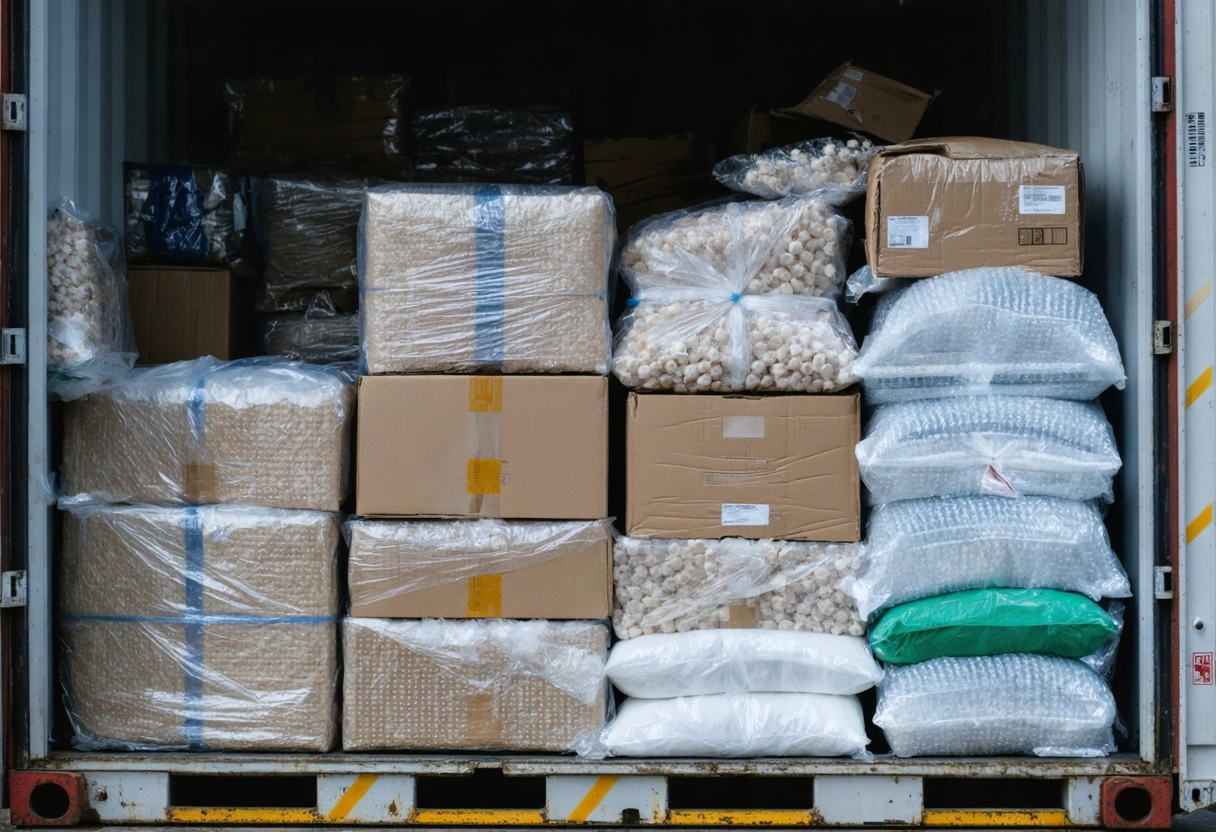
When packing fragile items, extra care is necessary. Wrap each item individually with packing paper or bubble wrap. For added protection, consider using double-walled boxes. Place heavier items at the bottom and lighter ones on top to prevent crushing.
Fill any empty spaces within the boxes with packing peanuts or crumpled paper to minimize movement during transit. This approach not only safeguards your items but also helps maintain the structural integrity of your boxes.
Secure and Stabilize Your Load
Once all items are packed, it’s essential to ensure they remain stable within the container. Use ratchet straps or ropes to secure boxes and larger items. This prevents them from shifting during transportation, reducing the risk of damage.
If your container has built-in tie-down points, utilize them to anchor your items. For added stability, consider placing a protective barrier, such as a wooden board, between layers. This not only secures your load but also provides additional protection against external impacts.
Regularly Inspect and Maintain Your Storage Container
While packing strategies are vital, regular maintenance of your storage container is equally important. Conduct periodic inspections to ensure the container is in good condition. Check for any signs of water leaks, rust, or structural damage. Address any issues promptly to prevent them from compromising the safety of your stored items.
Additionally, consider ventilating your container periodically to prevent moisture buildup, which can lead to mold and mildew. Simple measures such as placing moisture absorbers inside the container can help maintain a dry environment.
The Key to Successful Storage
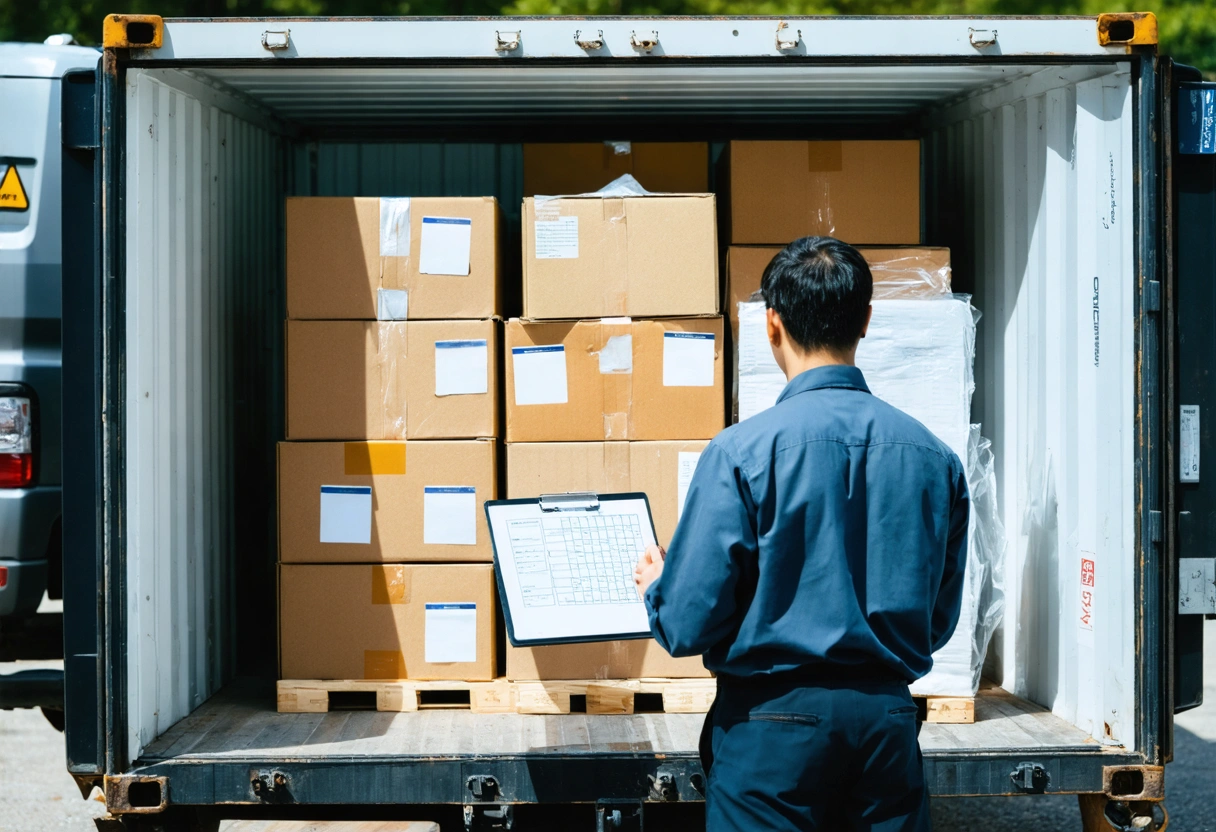
Packing an on-site storage container efficiently is both an art and a science. By prioritizing a packing plan, utilizing proper materials, and adopting smart techniques, you can ensure your items are stored safely and securely. Remember to label and catalog everything for easy access and regularly inspect your container to maintain its integrity.
Incorporating these strategies not only protects your belongings but also maximizes the utility of your storage space. Whether you’re storing items temporarily or for the long term, these approaches will provide peace of mind, knowing your valuables are safe and organized.
For more information on best storage practices and innovative solutions, explore this comprehensive guide or discover tips from experts in the field. By staying informed and proactive, you can make the most of your storage experience, ensuring efficiency and protection every step of the way.
Environmental Considerations for On-Site Storage
While packing and maintaining your storage container, it’s important to consider environmental factors. The location of your container can have a significant impact on the condition of your stored items. Ensure the container is placed on a level surface to prevent tipping or shifting. Additionally, keep it elevated on wooden planks or a similar foundation to avoid water damage from rain or ground moisture.
If your container is exposed to extreme weather conditions, consider investing in weatherproofing solutions. Insulation panels can help maintain a consistent internal temperature, protecting temperature-sensitive items from extreme heat or cold. Furthermore, applying a coat of rust-resistant paint to the exterior can prevent corrosion, prolonging the life of your container.
Space-Saving Tips for Smaller Containers
For those utilizing smaller storage containers, maximizing space is even more critical. Begin by prioritizing essential items and consider donating or selling belongings that are no longer needed. This decluttering process not only saves space but also makes your storage more manageable.
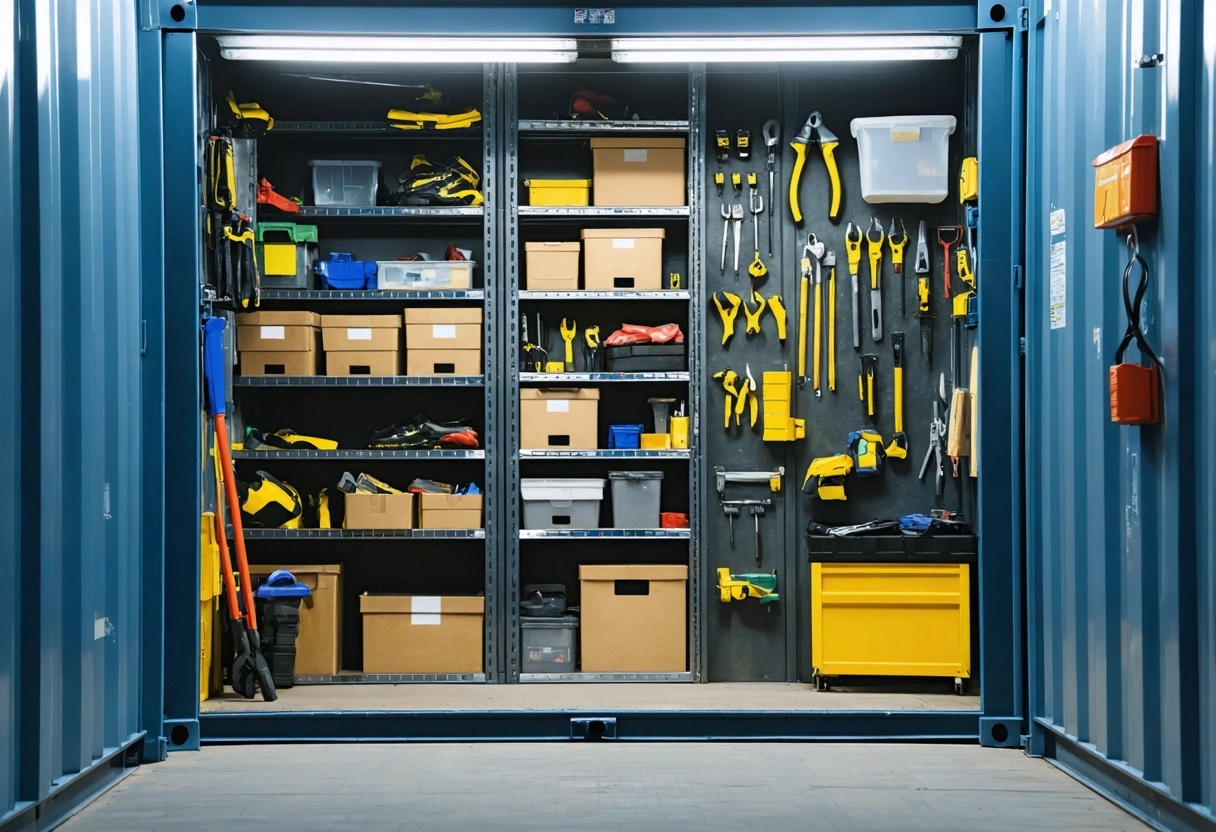
Utilize vertical space by installing shelving units inside the container. Shelves allow you to stack items without placing heavy boxes on top of fragile ones. Additionally, utilizing the inside of doors as storage for tools or smaller items can further optimize space. Hooks or magnetic strips can be used to hang items, taking advantage of every available inch.
Long-Term Storage Solutions
If you plan to store items for an extended period, additional precautions are necessary. First, ensure all items are thoroughly cleaned and dried before packing. Moisture can lead to mold growth, which can damage your belongings over time. Consider using vacuum-sealed bags for clothing or textiles to reduce space and protect against pests.
Monitoring humidity levels within the container is crucial for long-term storage. Use a hygrometer to keep track of moisture levels, and adjust accordingly with dehumidifiers or moisture absorbers. Regularly check on your stored items to address any issues promptly, preventing long-term damage.
Safety and Security Measures
While the primary focus is on packing and preserving your items, safety and security should not be overlooked. Choose a container with a robust locking mechanism and consider upgrading to a high-security lock if necessary. This provides peace of mind, knowing your belongings are protected from theft.
For additional security, consider installing a surveillance system or motion sensor lights around the storage area. These deterrents can prevent unauthorized access and alert you to any suspicious activity. If possible, choose a well-lit and visible location for your container, further reducing the risk of break-ins.
Utilizing Technology for Enhanced Organization
Technology can play a significant role in enhancing the organization of your storage container. Inventory management software can help you keep track of all stored items, providing an efficient way to organize and retrieve belongings. Some software options even allow you to attach photos and descriptions, creating a comprehensive digital inventory.
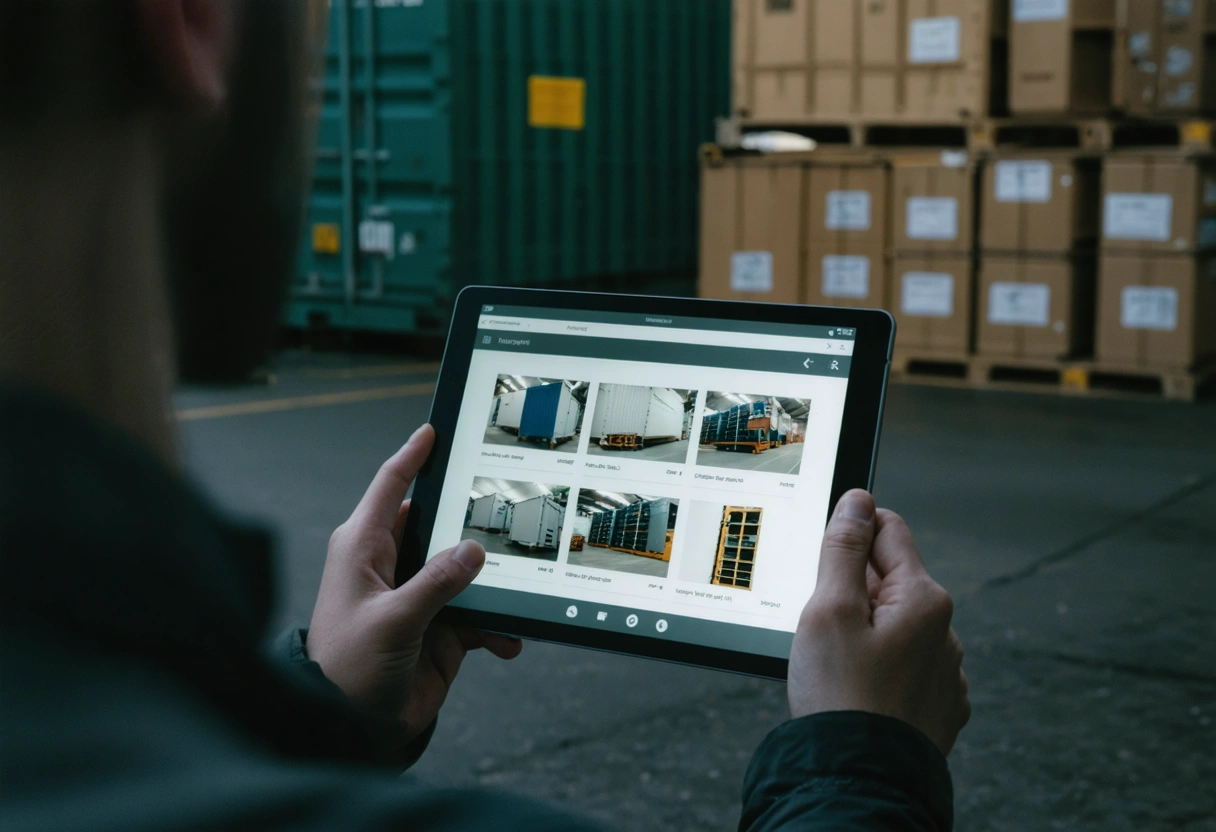
For those looking to automate their storage management, consider smart storage solutions. These systems can provide real-time information about the condition of your stored items, alerting you to temperature or humidity changes. This proactive approach ensures your items remain in optimal condition, reducing the risk of damage.
Learning from Experts and Community Insights
Gaining insights from experts in the field can further enhance your packing and storage strategies. Explore resources such as Architectural Digest’s storage tips or join online forums and communities where individuals share their experiences and solutions. These platforms can offer valuable advice and innovative ideas that you might not have considered.
Networking with others who use on-site storage containers can also provide real-world insights into what works best. Sharing tips and advice with fellow storage users can lead to new solutions and strategies, ultimately improving your storage experience.
Embrace Efficient Storage Practices
Effective packing and organizational strategies are the cornerstones of maximizing the utility of on-site storage containers. By incorporating smart packing techniques, utilizing technology, and considering environmental factors, you can ensure the safety and integrity of your stored items.
Remember that each storage situation is unique, and the key to success lies in adapting these strategies to fit your specific needs. Continuously learning and adapting your methods will lead to a more efficient and secure storage solution.
For further reading on innovative storage solutions, consider exploring this expert advice from Houzz or delve into Good Housekeeping’s tips on storage bins. These resources offer additional perspectives and can inspire new ideas for your storage needs.
Need help with Efficient Packing Strategies for On-Site Storage Containers: A Guide to Prevent Damage and Save Space?