


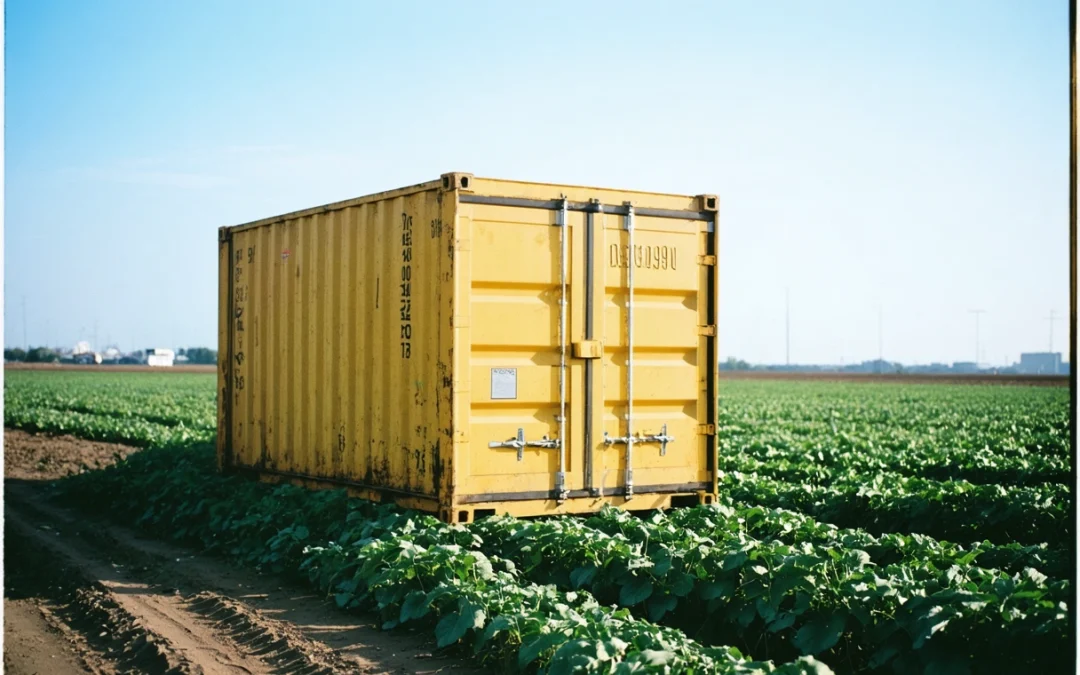
Eco-Friendly Storage: How Renting a Storage Container Contributes to Environmental Conservation
As the world becomes increasingly aware of the importance of environmental conservation, individuals and businesses are exploring innovative ways to reduce their ecological footprint. One such method that has gained popularity is renting storage containers. Beyond their practical use for storing personal belongings or business inventory, storage containers offer several eco-friendly benefits. In this comprehensive guide, we will delve into the various ways that renting a storage container can contribute to environmental conservation and why it is a sustainable choice.
Sustainable Materials and Construction
Storage containers are typically constructed from durable materials such as steel and aluminum. These materials are not only long-lasting but also highly recyclable. The life cycle of a storage container often includes multiple uses, and when it reaches the end of its functional life, it can be recycled and repurposed into other products. This recycling process significantly reduces the demand for new raw materials, conserving natural resources and minimizing environmental damage.
Furthermore, many storage container providers have adopted green building practices. This includes the use of non-toxic paints and coatings, which decrease the emission of volatile organic compounds (VOCs) into the atmosphere. By choosing a storage container built with sustainability in mind, renters are supporting an industry that prioritizes environmental health.
Reduction in Carbon Footprint
One of the primary benefits of renting a storage container is the reduction in carbon footprint associated with traditional storage solutions. Conventional storage facilities often require extensive land use and construction, which involves significant energy consumption and greenhouse gas emissions. In contrast, storage containers can be easily placed on existing properties without the need for additional infrastructure, thereby minimizing land disruption and energy use.
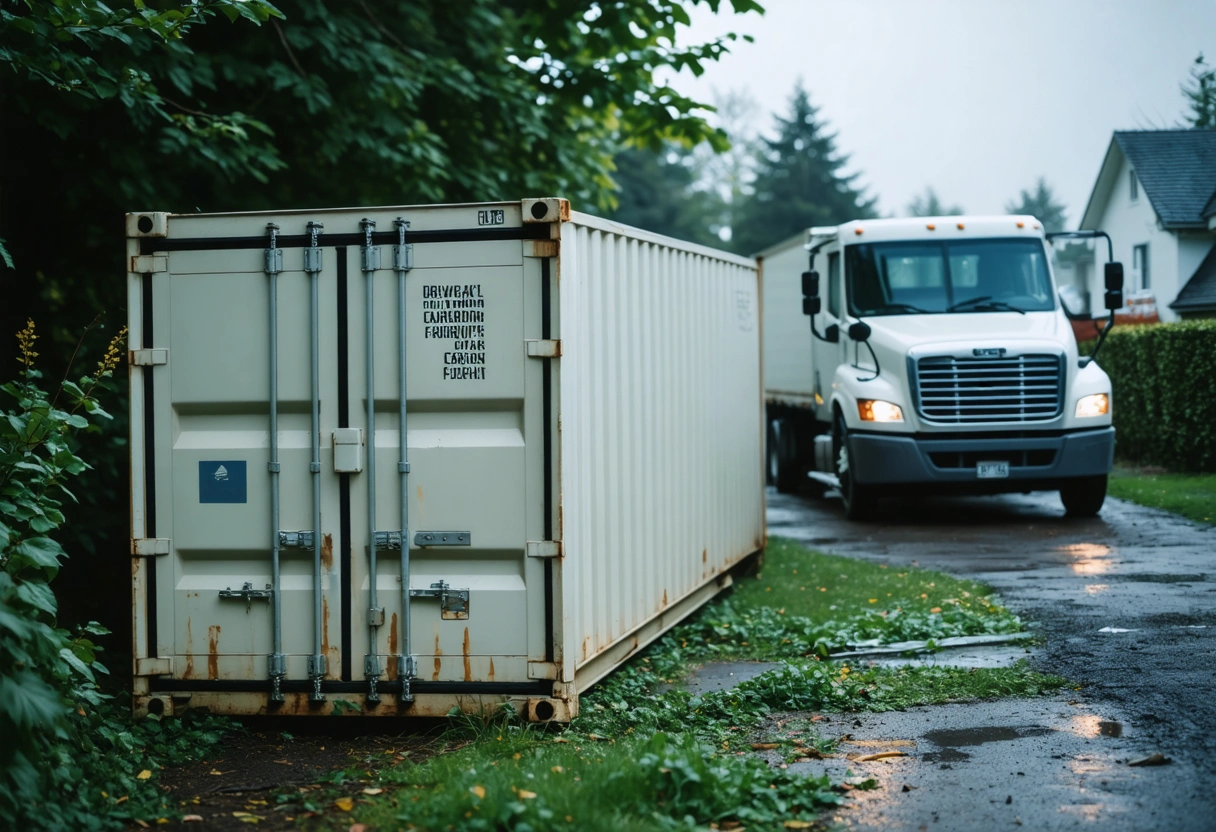
Additionally, storage containers can be delivered to the renter’s location, eliminating the need for multiple trips to a storage facility. This not only saves time and fuel but also reduces the overall carbon emissions associated with transportation. For businesses, this can be particularly advantageous in optimizing logistics and reducing operational costs while contributing to environmental sustainability.
Efficient Use of Space
The modular design of storage containers allows for efficient use of space, which is a critical factor in environmental conservation. Unlike traditional storage facilities that often remain partially filled, storage containers can be stacked and organized in various configurations to maximize space utilization. This flexibility makes it possible to store more items in a smaller footprint, reducing the need for additional storage facilities and the environmental impact associated with their construction and maintenance.
Moreover, the versatility of storage containers means they can be repurposed for different uses over time. For example, a container that once served as a storage unit for seasonal items can be transformed into a mobile office or a temporary housing solution. This adaptability ensures that the container remains in use, preventing waste and promoting sustainability.
Energy Efficiency and Renewable Energy Integration
Many modern storage containers are designed with energy efficiency in mind. Features such as insulated walls and energy-efficient lighting help reduce the energy required to maintain the container’s interior environment. This is particularly important in climates with extreme temperatures, where energy consumption for heating or cooling can be substantial.
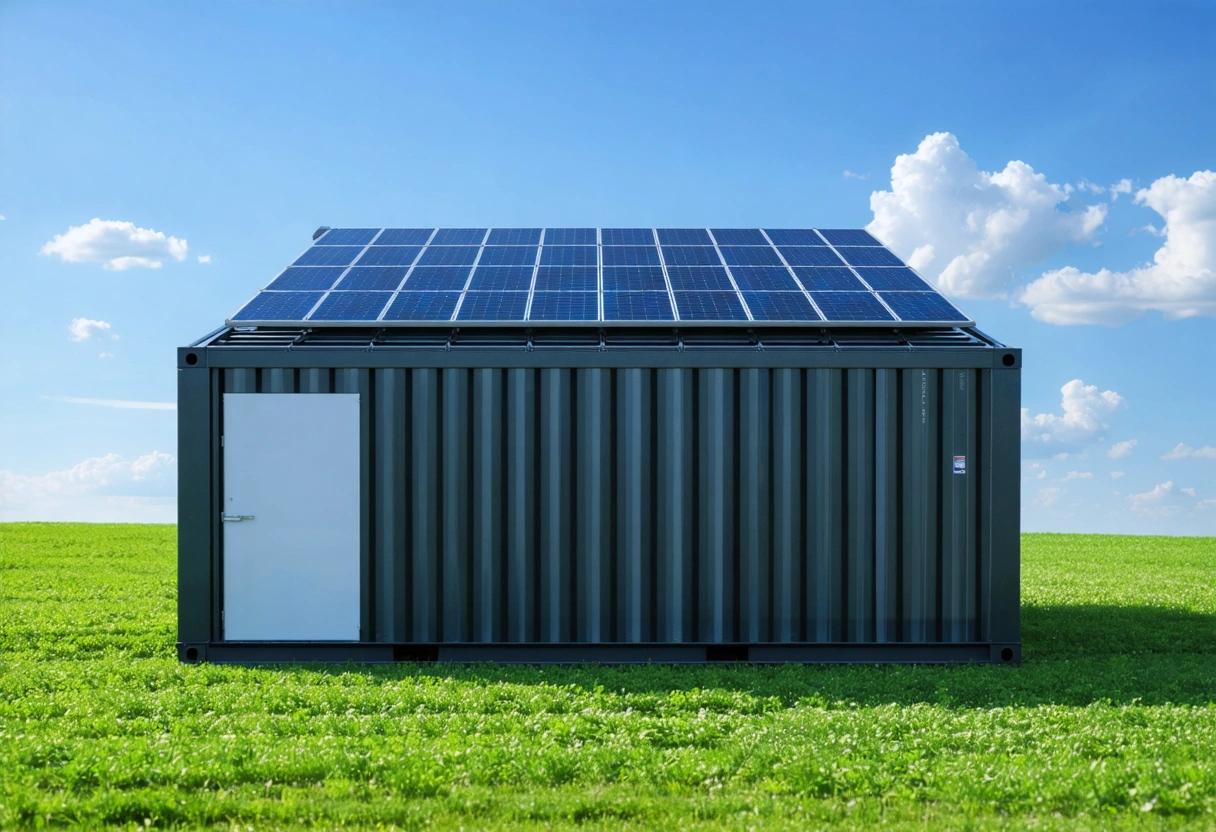
In addition to energy-efficient designs, storage containers can be equipped with renewable energy sources such as solar panels. This integration allows containers to operate independently of traditional power grids, further reducing their environmental impact. By harnessing renewable energy, renters can significantly decrease their reliance on fossil fuels, contributing to a cleaner and more sustainable future.
Water Conservation and Environmental Impact
Water conservation is another critical aspect of environmental sustainability, and storage containers can play a role in this area as well. Traditional storage solutions often involve extensive landscaping and irrigation, which can lead to significant water use. In contrast, storage containers require minimal land alteration and do not necessitate ongoing irrigation, thus conserving water resources.
Additionally, the compact and portable nature of storage containers means they can be placed in areas with minimal environmental impact. By choosing strategic locations that avoid sensitive ecosystems or habitats, renters can help preserve biodiversity and protect local flora and fauna. This conscious placement of storage containers underscores a commitment to environmental stewardship.
Case Studies: Eco-Friendly Storage in Action
Several organizations and individuals have successfully implemented storage containers as part of their environmental conservation efforts. For example, a community in the United Kingdom transformed unused shipping containers into a vibrant urban farm, using them to grow organic produce and promote sustainable agriculture. This initiative not only reduced food miles but also educated the community on the importance of local food production and environmental conservation.
Another noteworthy example is a tech company in California that repurposed storage containers as data centers. By utilizing the modular design of containers, the company was able to create energy-efficient and scalable data storage solutions. This innovative approach significantly reduced the company’s carbon footprint while meeting the growing demand for data storage in the digital age.
A Sustainable Choice for the Future
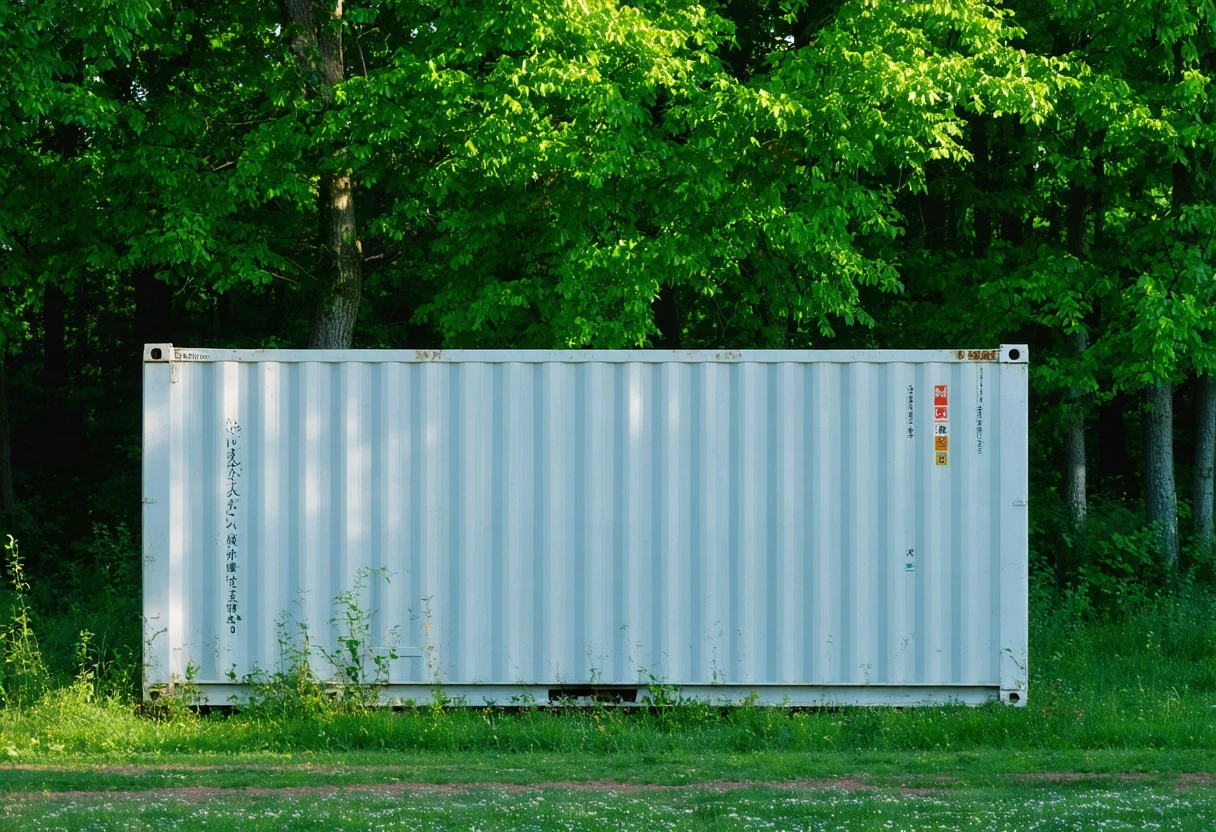
Renting a storage container is more than just a practical solution for storing belongings or inventory; it is a conscious decision that contributes to environmental conservation. From the use of sustainable materials and energy-efficient designs to the reduction in carbon footprint and water conservation, storage containers offer a multitude of eco-friendly benefits.
As individuals and businesses continue to seek ways to minimize their environmental impact, the demand for sustainable storage solutions is expected to grow. By choosing to rent a storage container, you are not only meeting your storage needs but also playing an active role in protecting our planet for future generations. With the increasing availability of eco-friendly storage options, the transition to sustainable living has never been more achievable.
Embrace the opportunity to make a positive impact on the environment by considering a storage container for your next storage solution. In doing so, you will join a growing community of environmentally-conscious individuals and businesses dedicated to creating a more sustainable future. As the world evolves, let us all strive to make choices that preserve the natural beauty of our planet.
Furthermore, as awareness of environmental issues grows, the storage container industry is likely to continue innovating and improving its sustainability practices. Companies are investing in research and development to create even more efficient and environmentally friendly storage solutions. This ongoing commitment to sustainability is crucial as we face increasing environmental challenges globally.
Innovations in Eco-Friendly Storage Solutions
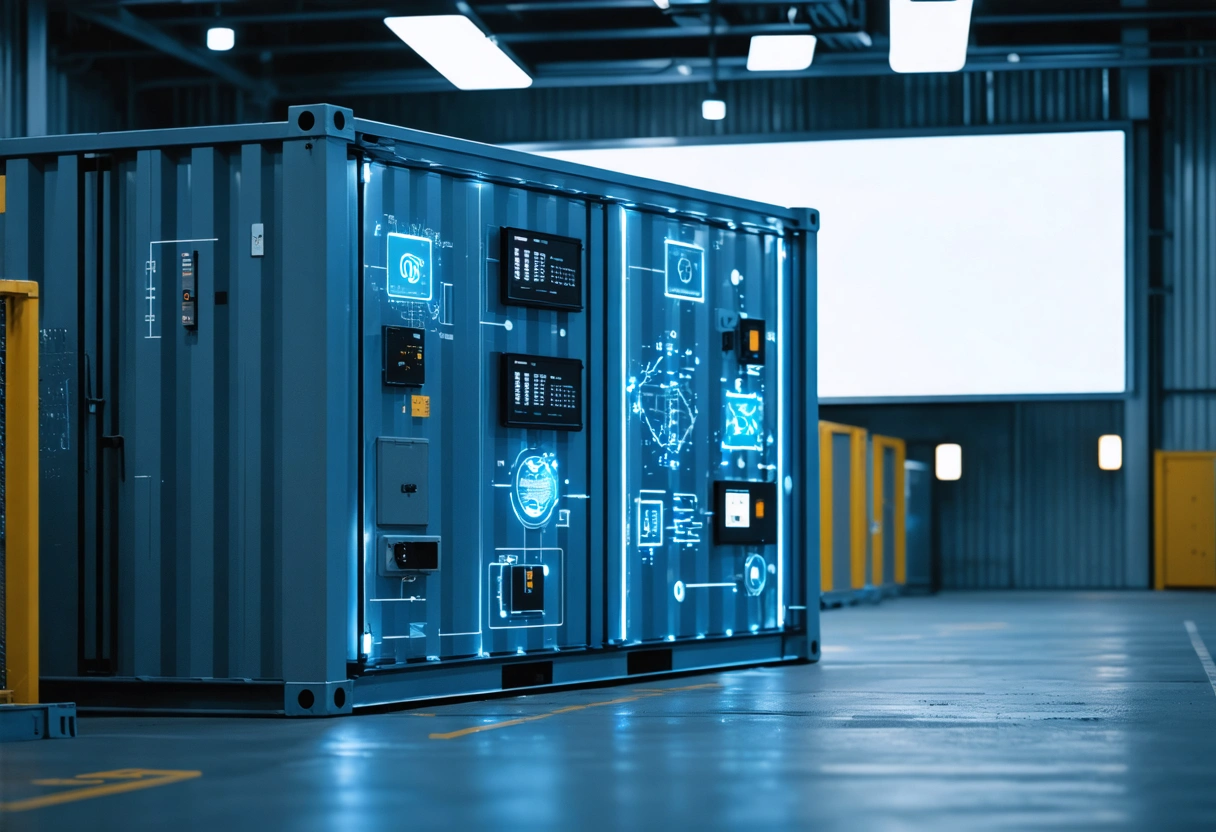
The storage container industry is ripe with opportunities for innovation in eco-friendly solutions. One area of development is the incorporation of smart technology within storage containers. By integrating sensors and IoT (Internet of Things) devices, these containers can monitor and optimize energy use, reducing waste and improving overall efficiency. This technology can provide real-time data on temperature, humidity, and energy consumption, allowing users to make informed decisions that align with their sustainability goals.
Another promising innovation is the use of alternative materials in container construction. Researchers and engineers are exploring the potential of bio-composites and recycled plastics as alternatives to traditional materials like steel and aluminum. These materials not only reduce the environmental impact of production but also offer enhanced thermal insulation, which can further decrease energy consumption.
Community and Economic Benefits
Beyond environmental conservation, renting storage containers can also offer significant community and economic benefits. By opting for local rental services, individuals and businesses support their local economies, helping to create jobs and stimulate economic growth. This localized approach reduces the need for long-distance transportation, further minimizing carbon emissions and energy use.
Moreover, storage containers can be used to support community-driven projects and initiatives. For instance, they can serve as pop-up shops, community centers, or educational spaces, providing valuable resources and services to local populations. By fostering community engagement and development, storage containers contribute to a more resilient and sustainable society.
Overcoming Challenges in Eco-Friendly Storage
While the benefits of renting storage containers for environmental conservation are clear, there are also challenges to consider. One such challenge is the initial cost of implementing sustainable practices and technologies. However, as demand for eco-friendly solutions grows, economies of scale are expected to drive down costs, making these options more accessible to a broader audience.
Another challenge is the need for awareness and education among consumers. Many individuals and businesses may not be aware of the environmental benefits of storage containers or the options available to them. To address this, industry stakeholders can invest in educational campaigns and partnerships with environmental organizations to promote sustainable storage solutions and their advantages.
The Role of Policy and Regulation
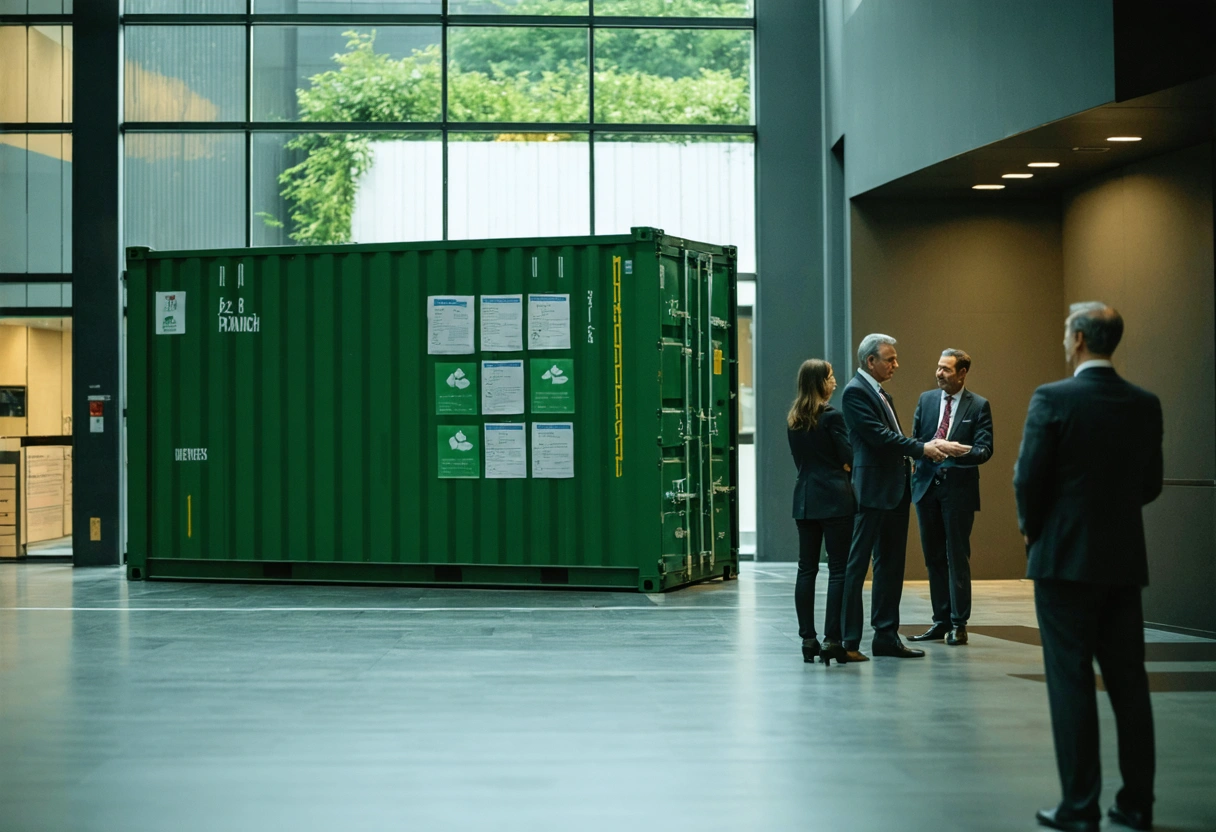
Government policies and regulations play a crucial role in promoting eco-friendly storage solutions. By implementing incentives for sustainable practices, such as tax credits or grants, governments can encourage businesses and individuals to adopt greener storage options. Additionally, regulations that mandate the use of eco-friendly materials or energy-efficient designs in storage container construction can drive industry-wide change.
Furthermore, partnerships between the public and private sectors can facilitate research and development in sustainable storage technologies. By collaborating on initiatives that address environmental challenges, stakeholders can accelerate the transition to a more sustainable storage industry.
Looking Forward: The Future of Eco-Friendly Storage
As we look to the future, the role of storage containers in environmental conservation is expected to grow. With ongoing advancements in technology and materials, storage containers will continue to evolve to meet the demands of a sustainable world. The combination of economic, environmental, and social benefits makes them an attractive option for both individuals and businesses seeking to minimize their ecological impact.
For the environmentally conscious consumer, renting a storage container is a practical step towards sustainable living. It aligns with broader global efforts to reduce waste, conserve resources, and protect natural ecosystems. As awareness of these benefits spreads, the adoption of eco-friendly storage solutions is likely to become more widespread, contributing to a healthier planet.
In conclusion, the integration of eco-friendly storage solutions into our daily lives is a powerful tool for environmental conservation. By choosing to rent storage containers, we can take meaningful action towards creating a sustainable future. This choice not only benefits the environment but also supports local economies and communities, paving the way for a more resilient and sustainable society. Embrace the potential of storage containers as a force for positive change and join the movement towards a greener, more sustainable world.
Need help with Eco-Friendly Storage: How Renting a Storage Container Contributes to Environmental Conservation?