


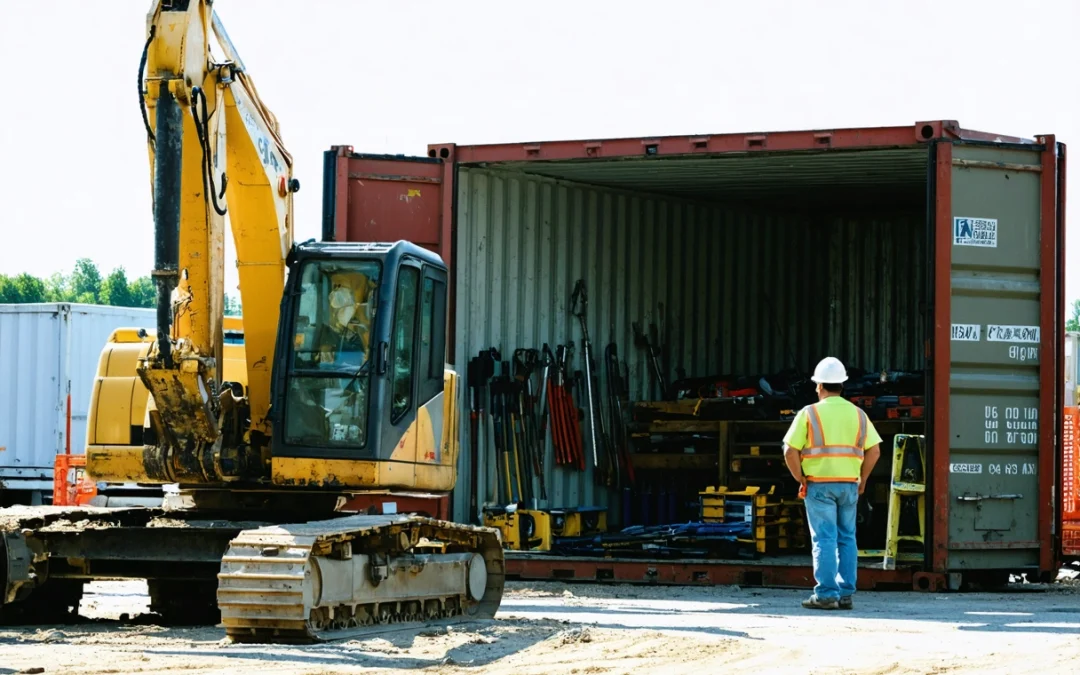
Introduction: The Essential Role of On-Site Storage Containers in Construction
In the bustling world of construction, efficiency and organization are paramount. Whether you’re managing a small-scale renovation or a large infrastructure project, having the right resources in place can make all the difference. One such resource that has become indispensable is the on-site storage container. These containers offer a versatile and secure solution to the many challenges faced on construction sites.
On-site storage containers serve as the backbone for maintaining project flow, securing materials, and optimizing space. In this comprehensive guide, we will delve into why every construction site should incorporate these containers into their logistics. By understanding their benefits, uses, and strategic importance, construction managers can significantly enhance their operational efficiency.
Enhancing Security: Protecting Materials and Equipment
One of the primary concerns on any construction site is security. With valuable tools and materials constantly at risk of theft or damage, safeguarding these assets becomes a top priority. On-site storage containers provide a robust solution by offering a secure space to store equipment and materials. Made from durable steel, these containers are difficult to breach, thereby reducing the likelihood of theft.
Moreover, storage containers can be equipped with advanced locking mechanisms and surveillance systems to further enhance security. By ensuring that expensive tools and critical materials are protected, construction managers can mitigate losses and avoid costly project delays. This security aspect is particularly crucial in urban areas, where the risk of theft is significantly higher.
Improving Organization and Accessibility
A well-organized construction site is a productive one. On-site storage containers play a pivotal role in maintaining order by providing a centralized location for storing materials and tools. This organization allows workers to quickly access the items they need, minimizing downtime and improving overall efficiency.
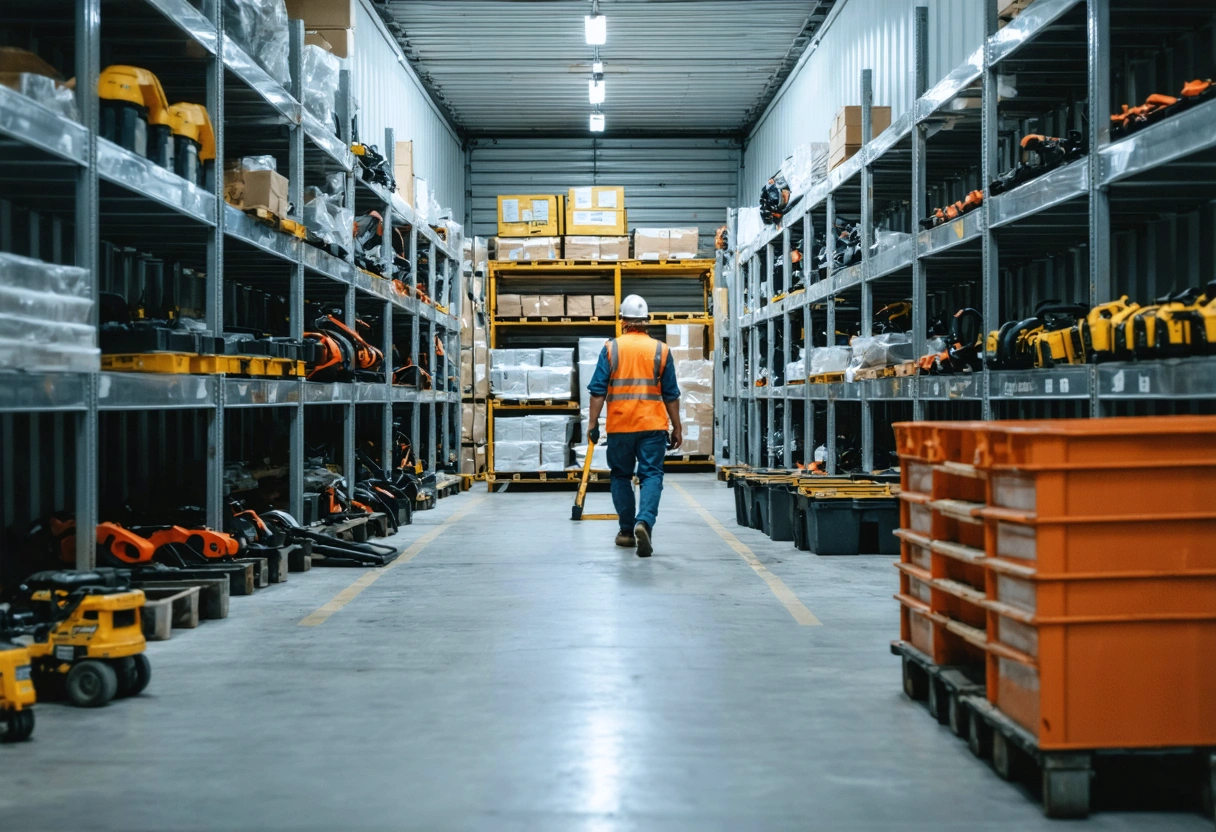
Additionally, these containers can be customized with shelving, racks, and partitions to suit specific storage needs. By optimizing the interior layout, construction teams can arrange materials in a logical manner, facilitating faster retrieval and reducing the time spent searching for items. This level of organization is essential for maintaining momentum on fast-paced projects.
Case Study: Streamlining Operations with Storage Containers
Consider a construction company working on a multi-story residential building. By strategically placing on-site storage containers throughout the site, the company was able to store different types of materials on each floor. This not only saved time in transporting materials but also reduced the risk of damage during handling. As a result, the project was completed ahead of schedule, showcasing the efficiency gains of utilizing storage containers.
Flexibility and Versatility: Adapting to Project Needs
One of the standout features of on-site storage containers is their adaptability. These containers come in various sizes and configurations, allowing construction managers to choose the best fit for their project requirements. Whether it’s a small container for storing hand tools or a larger unit for housing heavy machinery, the options are virtually limitless.
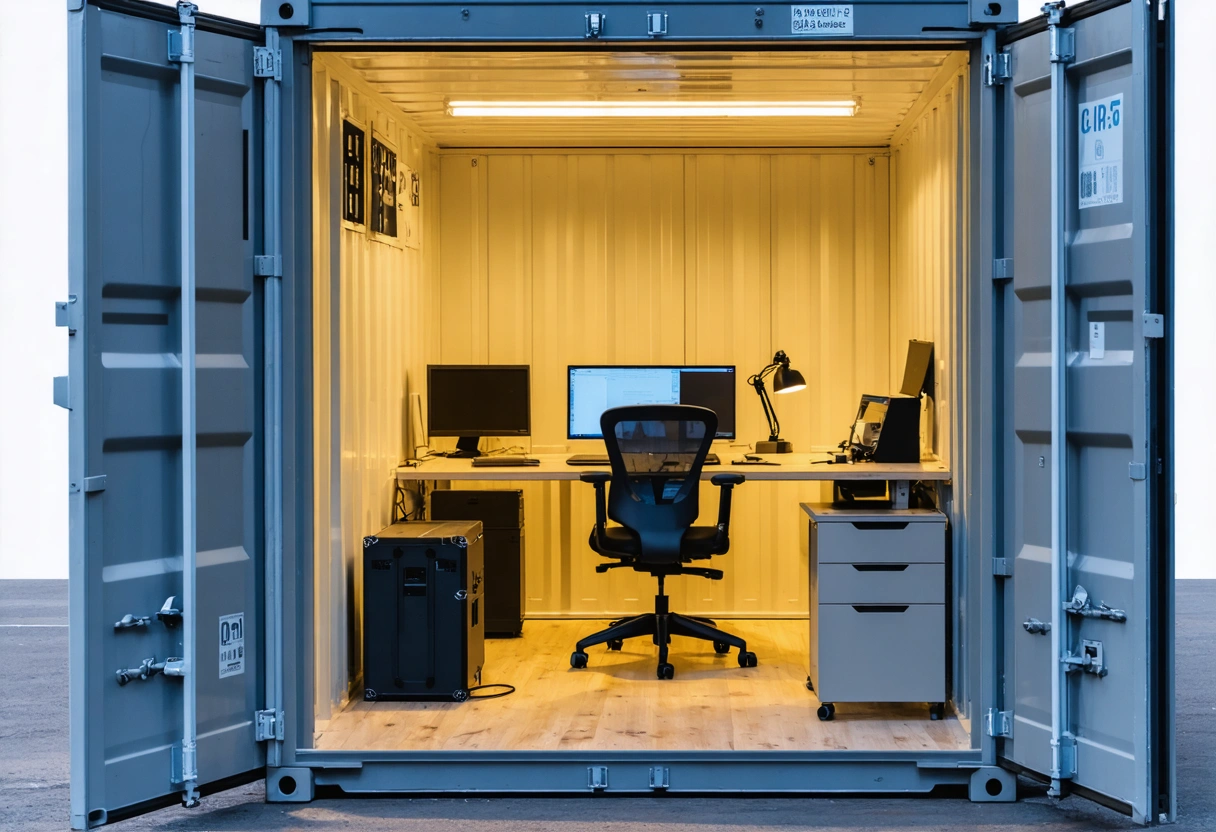
Beyond storage, these containers can be repurposed to serve different functions. For instance, they can be converted into mobile offices, break rooms, or even temporary workshops. This versatility is particularly valuable on dynamic construction sites where needs can change rapidly. By leveraging the flexibility of storage containers, construction managers can better align resources with project demands.
Example of Versatility in Action
In a large-scale infrastructure project, a construction company used on-site storage containers not only for storing materials but also as temporary offices for their project managers. By outfitting the containers with electricity, climate control, and office furniture, they created a comfortable and functional workspace. This innovative use of storage containers minimized the need for additional office trailers, thereby saving costs and space.
Cost-Effectiveness: Maximizing Resource Allocation
Budget constraints are a common challenge in the construction industry. On-site storage containers offer a cost-effective solution by eliminating the need for off-site storage facilities. Renting or purchasing these containers is generally more affordable than leasing warehouse space, especially when considering transportation costs and time delays associated with off-site storage.
Furthermore, by preventing theft and damage, storage containers help avoid unexpected expenses. The ability to safeguard materials on-site reduces the likelihood of costly replacements or repairs, allowing construction managers to allocate funds more efficiently across the project.
Financial Impact Analysis
A construction firm working on a highway expansion project utilized on-site storage containers to store their high-value equipment and materials. By doing so, they reported a 30% reduction in theft-related losses compared to previous projects that relied on off-site storage. This significant cost saving allowed them to reinvest in additional resources, improving overall project outcomes.
Environmental Benefits: Promoting Sustainable Practices
As sustainability becomes increasingly important in the construction industry, companies are seeking ways to minimize their environmental impact. On-site storage containers contribute to this goal by reducing the carbon footprint associated with transportation. By keeping materials on-site, the need for frequent trips to off-site storage facilities is eliminated, resulting in lower fuel consumption and emissions.
Additionally, many storage containers are made from recycled materials and can be reused for multiple projects, promoting a circular economy. By choosing sustainable options, construction companies can enhance their environmental credentials while still benefiting from the practical advantages of on-site storage.
Green Construction Initiatives
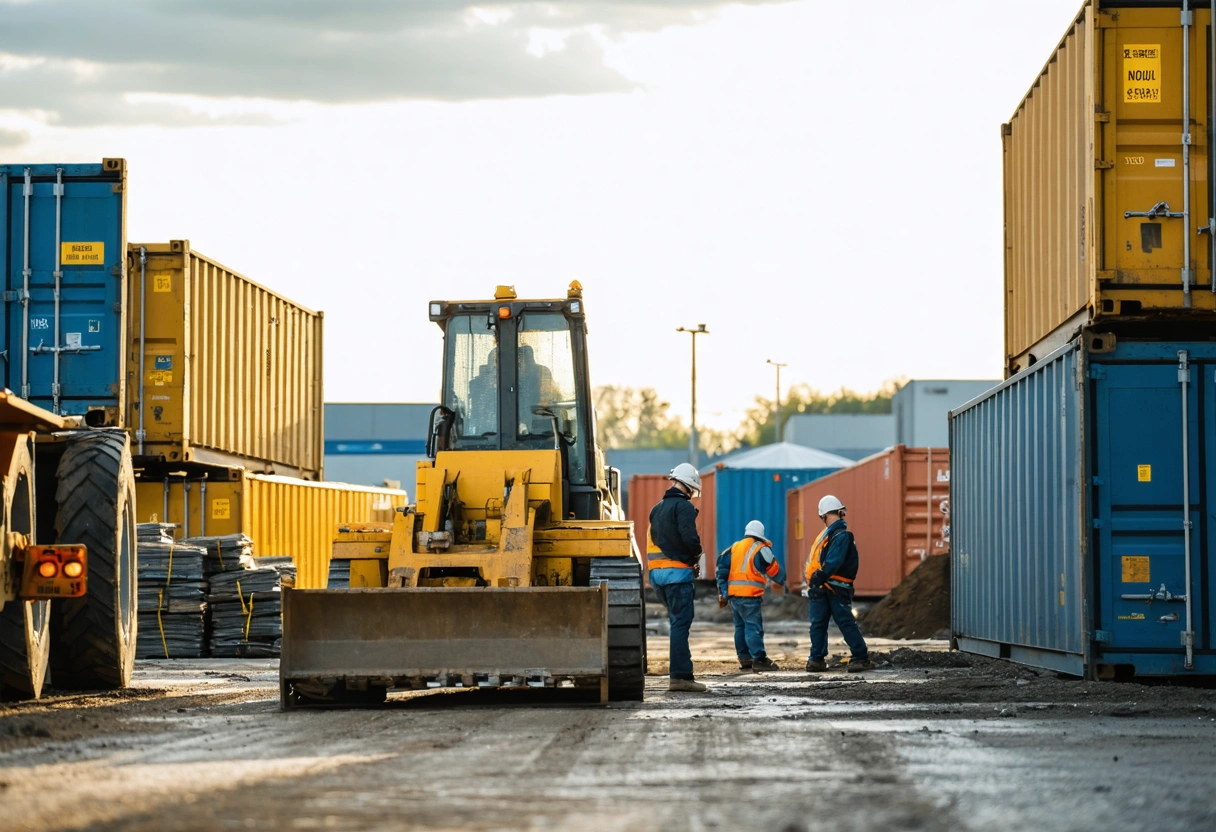
A construction company involved in a green building project incorporated on-site storage containers made from recycled steel. This decision not only supported their sustainability goals but also provided a talking point for marketing purposes. The use of eco-friendly storage solutions demonstrated their commitment to reducing environmental impact, attracting environmentally-conscious clients and stakeholders.
Integrating On-Site Storage Containers for Success
On-site storage containers are more than just a convenience; they are a strategic asset that can transform the way construction projects are executed. From enhancing security and organization to offering unmatched versatility and cost-effectiveness, these containers address many of the challenges faced by construction managers today.
By incorporating on-site storage solutions into project planning, construction companies can improve efficiency, safeguard valuable assets, and contribute to sustainable practices. As the industry continues to evolve, the role of on-site storage containers will undoubtedly become even more significant, paving the way for more streamlined and successful construction projects.
For further details on how to implement these containers effectively, explore resources like this in-depth analysis and consider the insights offered by industry experts on storage solutions.
Addressing Challenges: Overcoming Common Hurdles with Storage Containers
While the benefits of on-site storage containers are numerous, construction managers may encounter a few challenges when implementing these solutions. Being aware of and proactively addressing these hurdles can ensure that the containers provide maximum value without disrupting project timelines.
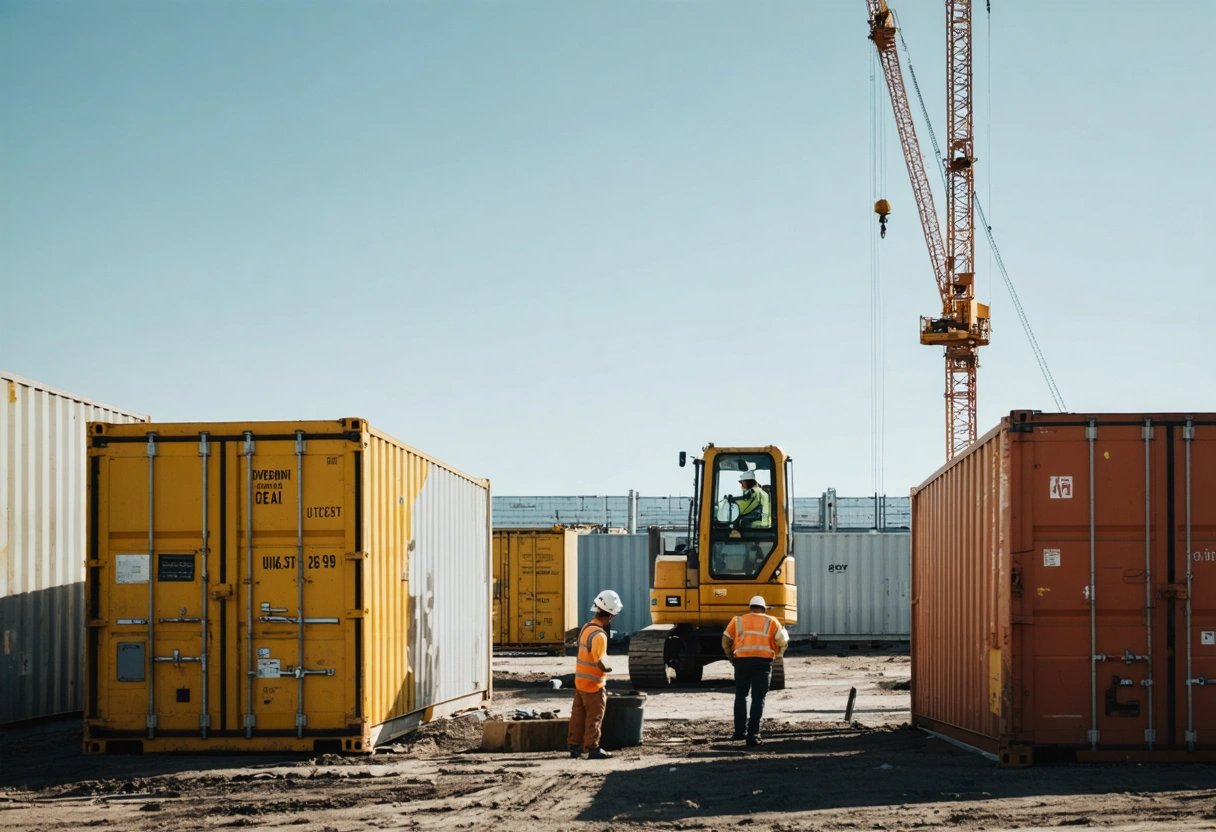
One common challenge is the logistical aspect of delivering and placing containers on-site. Construction sites often have limited space, and careful planning is required to determine the optimal placement of storage units. Utilizing smaller containers or stacking options can help make the most of available space without obstructing workflow or access routes.
Innovative Solutions for Space Management
To address spatial constraints, some construction companies have adopted innovative solutions like modular storage containers, which can be easily relocated as project needs evolve. By using a combination of container sizes and configurations, it’s possible to create a flexible storage system that adapts to the dynamic nature of construction sites.
Another potential challenge is ensuring that the storage containers are adequately weatherproofed. Construction projects are often subject to harsh weather conditions, and improper protection can lead to material degradation. Selecting containers with high-quality insulation and weatherproofing features can mitigate this risk and preserve the integrity of stored items.
Future Trends: The Evolving Role of Storage Containers in Construction
As the construction industry continues to innovate, the role of on-site storage containers is expected to expand even further. Emerging technologies and trends are likely to influence how these containers are utilized, offering new opportunities for construction managers to enhance efficiency and reduce costs.
One such trend is the integration of smart technology into storage containers. By equipping containers with IoT (Internet of Things) devices, construction managers can gain real-time insights into inventory levels, environmental conditions, and security status. This data-driven approach allows for more informed decision-making and streamlined operations.
Embracing Technology for Smarter Storage

For instance, IoT sensors can alert managers to potential security breaches or temperature fluctuations that could affect sensitive materials. This proactive monitoring helps prevent issues before they escalate, contributing to smoother project execution. Additionally, smart containers can be integrated with project management software, facilitating seamless communication and coordination among team members.
Another promising development is the increasing focus on sustainable construction practices. With growing awareness of environmental impacts, there is a push toward using eco-friendly materials and processes. Storage containers made from recycled or sustainably sourced materials are likely to gain popularity, aligning with broader industry goals of reducing carbon footprints and promoting sustainability.
Embracing Storage Containers for a Competitive Edge
The strategic use of on-site storage containers is becoming a hallmark of successful construction projects. By addressing security concerns, improving organization, and offering unmatched versatility, these containers provide a solid foundation for efficient project management. As the industry continues to evolve, incorporating advanced technologies and sustainable practices will further enhance the value of storage solutions.
Construction managers looking to gain a competitive edge should consider integrating on-site storage containers into their project planning. By doing so, they can not only streamline operations but also demonstrate a commitment to innovation and sustainability. For more insights on leveraging these solutions, explore expert perspectives like those found in this innovative storage guide or delve into sustainable construction practices with resources such as this comprehensive article.
In conclusion, the integration of on-site storage containers into construction projects is not just a trend but a strategic necessity. By embracing these solutions, construction companies can ensure the smooth execution of projects, safeguard valuable resources, and contribute to a more sustainable future. As the construction landscape continues to change, those who adapt quickly and effectively will undoubtedly stand out in this competitive industry.
.
Need help with Why Every Construction Site Needs an On-Site Storage Container: A Comprehensive Guide?