


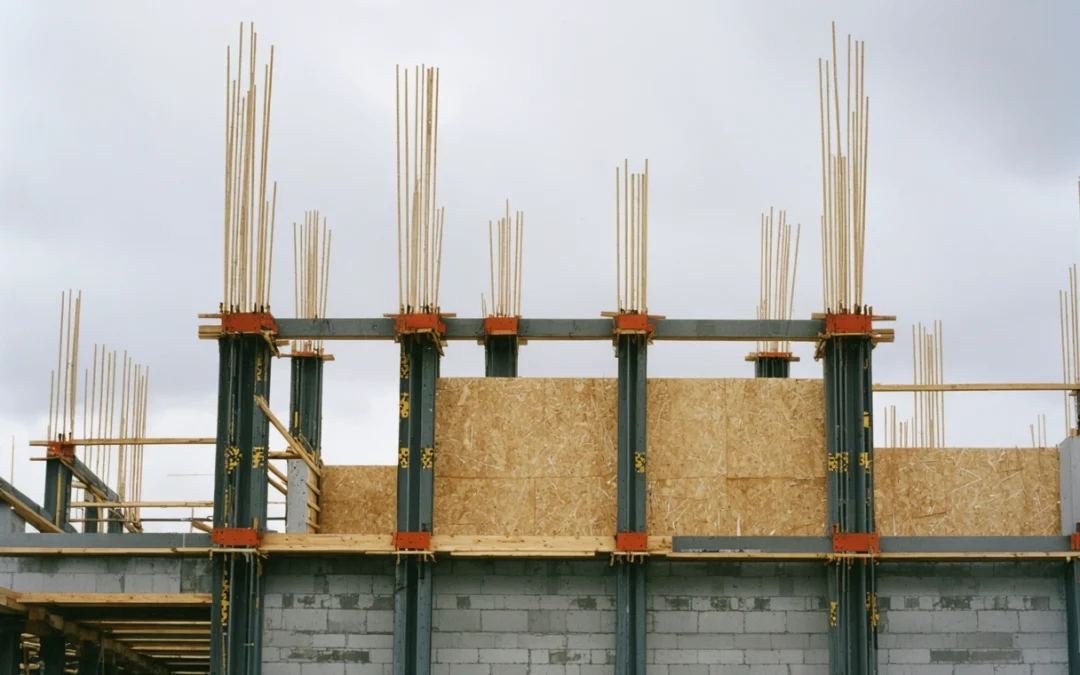
The Impact of Weather Conditions on Your Construction Materials: How On-Site Storage Containers Can Help
Construction projects are subject to a variety of challenges, and one of the most unpredictable factors is weather. Whether it’s sun, rain, snow, or wind, weather conditions can significantly affect the integrity and durability of construction materials. Understanding these impacts and how to mitigate them can be crucial to the success of a project. One effective solution is the use of on-site storage containers. This post will delve into the impact of weather on construction materials and how storage containers can provide protection and efficiency.
Understanding Weather Impacts on Construction Materials
Weather conditions directly influence the quality and performance of construction materials. Temperature fluctuations, moisture, and wind can alter the physical and chemical properties of materials like wood, concrete, steel, and more. When these materials are exposed to adverse weather conditions, they may suffer damage, leading to increased costs and project delays.
For example, excessive moisture from rain can lead to the swelling and warping of wood, while steel may corrode if left unprotected. Concrete, on the other hand, can suffer from freeze-thaw cycles, leading to cracking and weakening over time. Understanding these impacts is crucial for choosing the right protective measures.
The Role of Temperature in Material Degradation
Temperature plays a significant role in the degradation of construction materials. Extreme heat can cause materials to expand, while cold can make them contract, leading to potential structural issues. For materials like asphalt, high temperatures can result in softening, making them susceptible to deformation. Conversely, cold weather can cause brittleness in some materials, increasing the risk of cracking and breakage.
Concrete is particularly sensitive to temperature changes during its curing process. If temperatures are too low, the curing process can slow down, compromising the strength of the finished product. Conversely, high temperatures can cause rapid evaporation of water, affecting the hydration process and leading to weaker concrete. Thus, controlling the ambient temperature around stored construction materials is crucial.
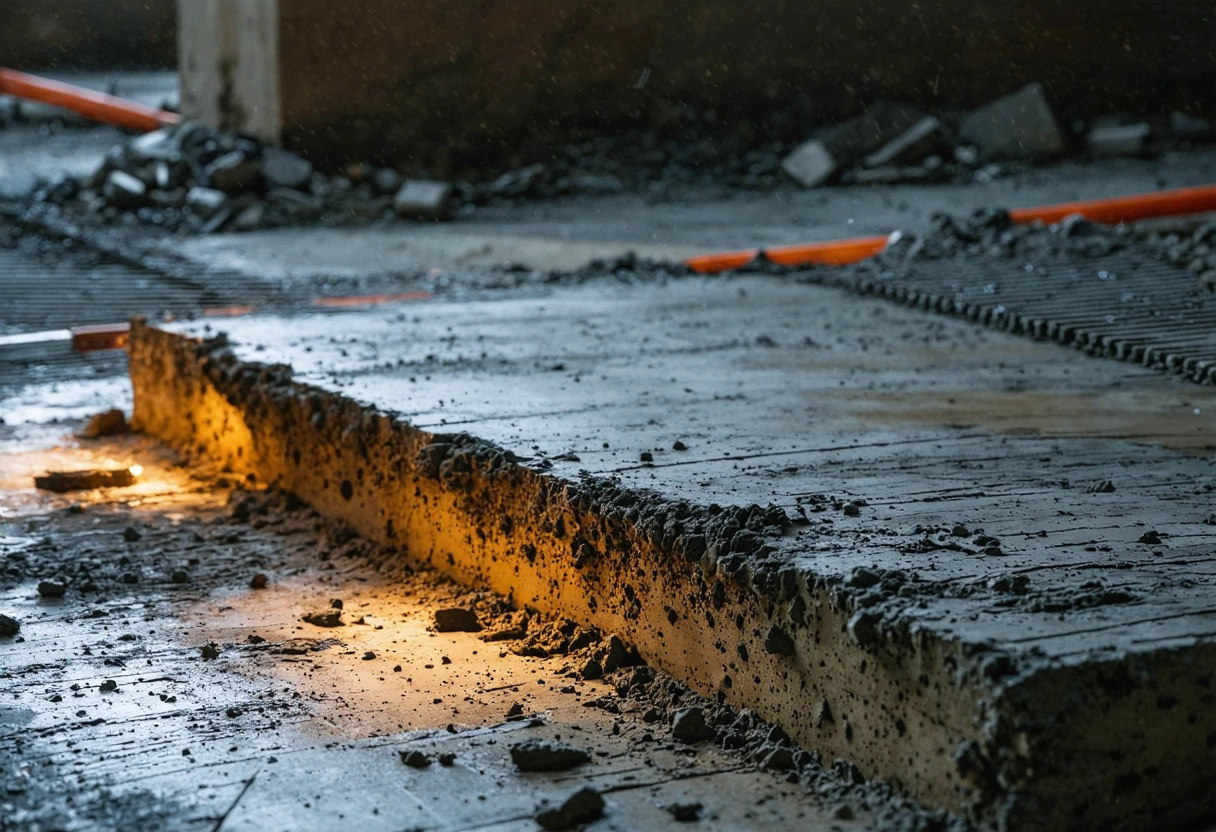
Moisture and Its Effects on Construction Materials
Moisture is another critical factor that can severely impact construction materials. Inadequate moisture control can lead to a range of issues, including mold growth, material degradation, and compromised structural integrity. Wood, for example, is highly susceptible to moisture. It can absorb water, leading to swelling, warping, and potential rot.
Metal materials, particularly steel, are prone to corrosion when exposed to moisture. This can weaken their structural integrity and lead to costly repairs or replacements. Even materials like concrete can suffer from moisture-related issues. Excessive water can lead to spalling and cracking, particularly if the water freezes and expands within the concrete.
Wind and Its Impact on Construction Materials
While often overlooked, wind can also have a significant impact on construction materials. High winds can lead to physical damage, especially to lightweight materials that might be displaced or damaged by strong gusts. For example, roofing materials and insulation can be particularly vulnerable to wind damage.
Additionally, wind can carry debris that may collide with and damage materials on-site. This can lead to scratches, dents, or even breakage, necessitating replacements and increasing costs. Protecting materials from wind exposure is crucial, especially in regions prone to storms or high winds.
How On-Site Storage Containers Protect Construction Materials
On-site storage containers offer a practical solution to the challenges posed by weather conditions. These containers provide a controlled environment that shields materials from temperature extremes, moisture, and wind. By keeping materials in a secure, enclosed space, construction companies can significantly reduce the risk of weather-related damage.
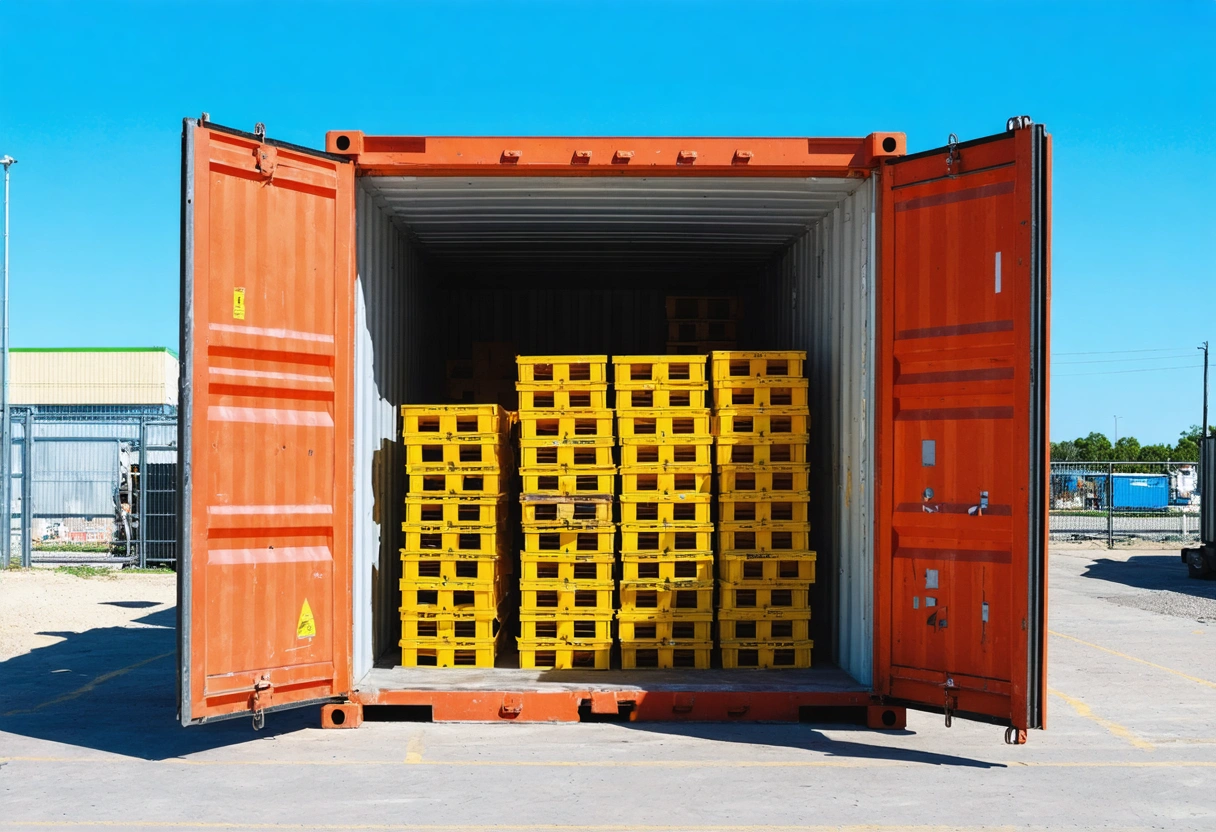
Storage containers are typically made from durable materials that are resistant to harsh weather conditions. They can be equipped with climate control features to maintain stable temperatures, preventing issues like thermal expansion or contraction. Additionally, these containers can be sealed to prevent moisture ingress, protecting materials from rain or snow.
Temperature Control with Storage Containers
One of the most significant benefits of using storage containers is their ability to provide temperature control. By maintaining a stable temperature, materials can be protected from the extremes that lead to expansion or contraction. This is particularly important for temperature-sensitive materials like concrete and asphalt.
For instance, cold weather can adversely affect concrete curing processes. Storage containers with heating or insulation options can help keep the temperature within the ideal range for curing, ensuring the concrete achieves the desired strength and durability.
Moisture Protection with Storage Containers
Storage containers are designed to be water-resistant, providing an effective barrier against moisture. This is crucial for protecting materials like wood and metal from water damage. By storing these materials in a sealed container, the risk of swelling, warping, rot, or corrosion is significantly reduced.
Moreover, some containers are equipped with dehumidifiers or ventilation systems to further control humidity levels inside. This is particularly beneficial for sensitive materials that require low-humidity environments to prevent deterioration.
Wind Protection with Storage Containers
Storage containers offer robust protection against wind, shielding materials from physical damage caused by high winds and flying debris. By keeping materials securely enclosed, the risk of displacement or breakage is minimized. This is especially important for projects located in areas prone to frequent storms or high winds.
Additionally, following wind mitigation guidelines is essential to ensure the safety and integrity of construction projects. Using storage containers can be part of a comprehensive strategy to protect materials from wind-related damage.
Cost-Effectiveness and Efficiency
While the initial investment in on-site storage containers may seem significant, the cost savings in terms of reduced material waste and damage can be substantial. By minimizing the risk of weather-related damage, construction companies can avoid costly replacements and project delays.
Furthermore, storage containers enhance efficiency by keeping materials organized and easily accessible on-site. This can lead to faster project completion times as materials are readily available when needed, reducing downtime and labor costs.
Takeaways
Weather conditions can have profound effects on construction materials, leading to increased costs and project delays if not properly managed. On-site storage containers provide a reliable solution for protecting materials from the adverse effects of temperature fluctuations, moisture, and wind.
By investing in storage containers, construction companies can safeguard their materials, enhance efficiency, and ultimately improve project outcomes. For more insights on how weather can impact construction projects, explore resources like this comprehensive guide.
Protecting materials from weather-related damage is not just about preserving resources, but also about ensuring the success and longevity of construction projects. As the construction industry continues to evolve, solutions like on-site storage containers will play an increasingly vital role in overcoming the challenges posed by unpredictable weather conditions.
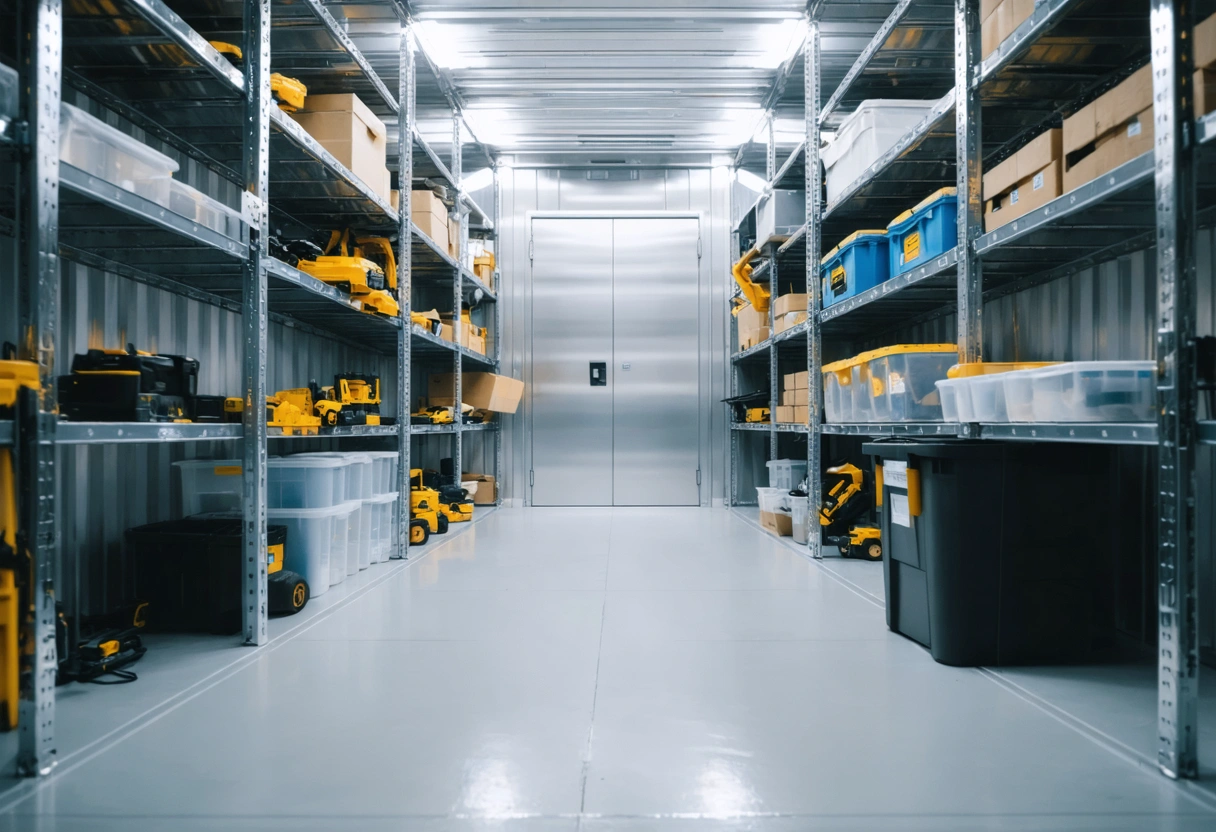
Moreover, adopting on-site storage containers is an environmentally responsible decision. By protecting materials from weather-induced deterioration, construction companies can reduce waste and contribute to sustainable building practices. This approach aligns with the growing trend towards sustainability in construction, which is becoming increasingly important in an era of heightened environmental awareness.
Customization Options for On-Site Storage Containers
One of the appealing aspects of on-site storage containers is their versatility and customization options. Depending on the specific needs of a construction project, these containers can be tailored to provide optimal protection and storage solutions. For example, containers can be fitted with racks and shelving to better organize materials and tools, ensuring that everything is easily accessible and well-maintained.
Climate control features, such as ventilation systems and insulation, can be added to regulate temperature and humidity levels inside the container. This is particularly beneficial for projects that require the storage of sensitive materials. Moreover, security features like lockable doors and CCTV systems can be installed to protect valuable materials from theft and vandalism.
These customization options not only improve the functionality of storage containers but also enhance their ability to meet the specific demands of different construction sites. For more information on the potential of customized storage solutions, consider exploring resources like this detailed article.
The Role of Technology in Enhancing Storage Solutions
Technology is playing an increasingly important role in improving the efficiency and effectiveness of on-site storage solutions. Modern storage containers can be equipped with smart technology features that provide real-time data on temperature, humidity, and security status. This allows construction managers to monitor conditions remotely and make informed decisions to protect their materials.

For instance, sensors can detect and alert staff to any drastic changes in temperature or moisture levels, allowing for quick interventions before any damage occurs. GPS tracking systems can also be installed to provide precise location data, which is particularly useful for large construction sites with multiple storage units. For an in-depth look at how technology is transforming construction storage, you can check out this comprehensive analysis.
Planning for Weather Events
Proper planning and preparation for weather events are crucial in the construction industry. While on-site storage containers offer robust protection against the elements, construction managers must also develop contingency plans to address unexpected weather conditions. This includes having protocols in place for securing materials and equipment during severe weather forecasts.
Effective planning involves understanding the local climate and weather patterns to anticipate potential challenges. This information can guide the strategic placement of storage containers on-site, ensuring that they are located in areas less prone to flooding or wind damage. Additionally, maintaining open communication with weather services can provide timely updates and warnings, allowing for proactive measures to protect materials.
Takeaways
As construction projects face the ongoing challenge of dealing with unpredictable weather conditions, the importance of effective material storage solutions cannot be overstated. On-site storage containers offer a practical and versatile option for protecting construction materials from the damaging effects of temperature fluctuations, moisture, and wind. By investing in these solutions, construction companies can achieve significant cost savings, improve project efficiency, and contribute to sustainable building practices.
For those in the construction industry looking to optimize their storage solutions, it is essential to stay informed about the latest advancements and best practices. Leveraging resources like this insightful blog can provide valuable insights and help ensure the successful management of construction materials in the face of changing weather conditions.
By prioritizing the protection of construction materials and embracing innovative storage solutions, the construction industry can continue to build resilient and sustainable structures that withstand the test of time and weather.
Need help with The Impact of Weather Conditions on Your Construction Materials: How On-Site Storage Containers Can Help?