



The Future of Construction: How On-Site Storage Containers Are Shaping The Efficiency of Modern Construction Sites
The construction industry is in the midst of a transformative era, characterized by rapid technological advancements, evolving methodologies, and the increasing demand for efficiency. Among the most impactful innovations reshaping construction sites today are on-site storage containers. These versatile units are revolutionizing the way projects are managed, offering unprecedented levels of organization, security, and accessibility. As construction sites strive for improved productivity and cost-effectiveness, the role of storage containers in driving these changes is becoming increasingly significant.
The Evolution of On-Site Storage Solutions
Traditionally, construction sites have relied on makeshift solutions for storage, such as temporary sheds or rented spaces. However, these methods often proved inadequate due to limited space, lack of security, and inconvenience. The introduction of on-site storage containers has addressed these challenges by providing robust, secure, and spacious storage solutions directly on the construction site.
On-site storage containers are designed to withstand harsh environmental conditions, ensuring that tools, equipment, and materials are protected from elements such as rain, wind, and extreme temperatures. This durability not only safeguards valuable assets but also extends their lifespan, reducing replacement costs and delays caused by equipment malfunction.
Enhancing Efficiency Through Strategic Storage
One of the primary benefits of on-site storage containers is their ability to enhance operational efficiency. By keeping tools and materials readily accessible, construction teams can minimize downtime and streamline their workflows. This strategic storage approach eliminates the need for frequent off-site trips to retrieve necessary items, allowing workers to focus more on their tasks and less on logistics.
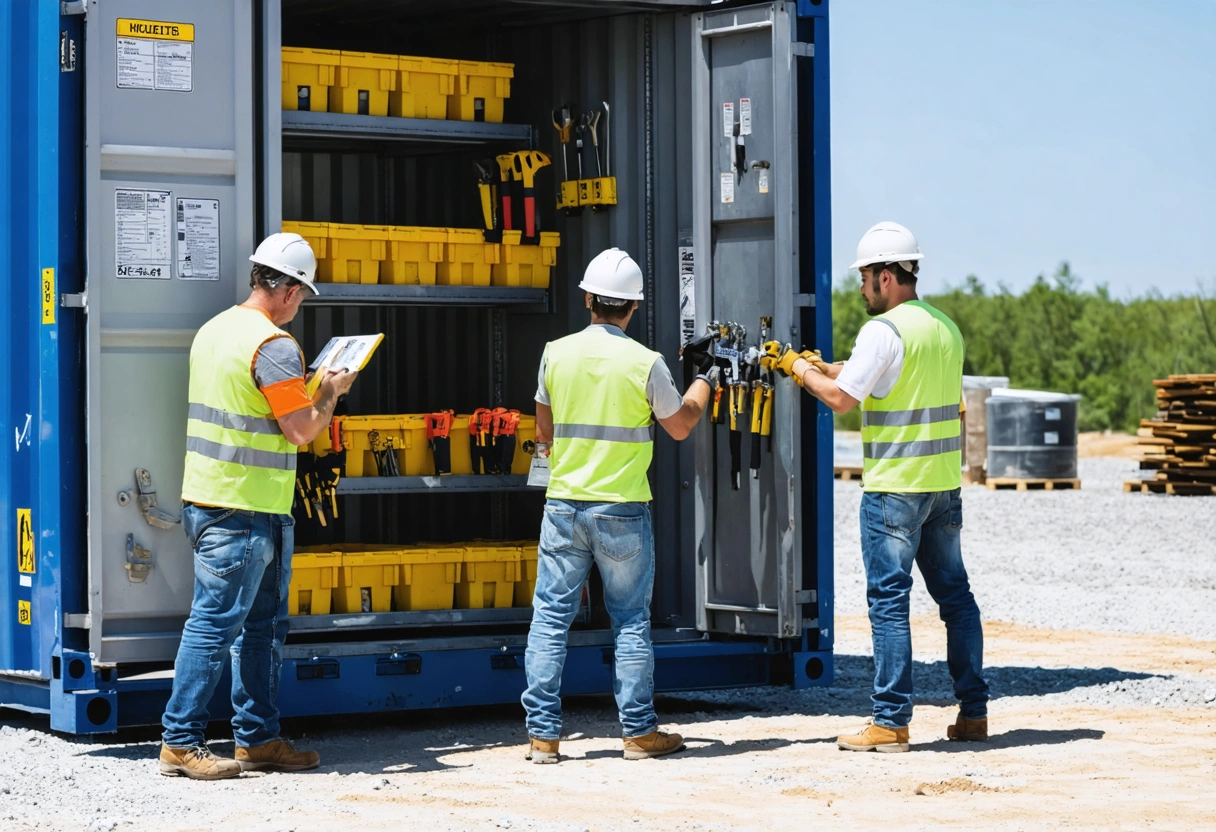
Moreover, the organization is a key factor in boosting productivity on construction sites. On-site storage containers can be customized with shelving, compartments, and labeling systems to facilitate easy access and identification of stored items. This level of organization reduces the time spent searching for tools or materials, enabling workers to complete tasks more efficiently and meet project deadlines.
Boosting Security and Reducing Loss
Security is a paramount concern on construction sites, where the risk of theft and vandalism is high. On-site storage containers offer a secure solution with lockable doors and robust construction that deters unauthorized access. This enhanced security not only protects valuable assets but also contributes to a safer working environment.
The reduction in theft and loss translates directly into cost savings for construction projects. By mitigating the risk of stolen or damaged equipment, companies can allocate resources more effectively and avoid unexpected expenses. Furthermore, the presence of secure storage containers can act as a deterrent to potential thieves, reducing the overall incidence of crime on-site.
Adapting to Changing Project Needs
Construction projects are dynamic, often requiring flexibility to accommodate changing needs and priorities. On-site storage containers offer this adaptability by serving a variety of purposes beyond storage. They can be transformed into temporary offices, break rooms, or workshops, providing versatile spaces that adapt to the evolving requirements of the project.
The ability to repurpose storage containers reduces the need for additional temporary structures, optimizing space utilization on-site. This flexibility is particularly valuable in urban construction projects where space is limited. By maximizing the utility of on-site storage containers, construction companies can enhance their operational efficiency and reduce the environmental footprint of their projects.
Integrating Technology for Enhanced Management

As technology continues to advance, construction sites are increasingly adopting digital solutions to improve management and oversight. On-site storage containers can be equipped with smart technology, such as sensors and monitoring systems, to track inventory levels, monitor environmental conditions, and enhance security. These technological integrations provide real-time data that can inform decision-making and optimize resource allocation.
For instance, sensors can alert project managers when supplies are running low, enabling proactive restocking and preventing work stoppages. Similarly, temperature and humidity sensors can ensure that sensitive materials are stored under optimal conditions, preserving their quality and usability. The integration of technology into on-site storage solutions represents a significant leap forward in the pursuit of efficient and intelligent construction site management.
Environmental Benefits of On-Site Storage Containers
In addition to operational advantages, on-site storage containers offer environmental benefits that align with the growing emphasis on sustainability in construction. By reducing the need for transportation to off-site storage facilities, these containers contribute to lower carbon emissions and fuel consumption. This reduction in environmental impact is particularly important as construction companies strive to meet increasingly stringent sustainability standards.
Furthermore, the reuse and repurposing of storage containers contribute to the circular economy by extending the lifecycle of materials and reducing waste. Many companies are exploring innovative ways to recycle and upcycle decommissioned containers, transforming them into permanent structures such as housing units or office spaces. These efforts highlight the potential for on-site storage containers to play a role in the broader sustainability goals of the construction industry.
The Economic Impact of On-Site Storage Solutions
The economic implications of adopting on-site storage containers are substantial. By enhancing efficiency, reducing theft, and optimizing logistics, construction companies can achieve significant cost savings. These savings can be reinvested into other areas of the project, such as workforce development or technological upgrades, further enhancing overall performance.
Additionally, the availability of secure and efficient storage solutions can improve the competitiveness of construction firms in bidding for projects. Clients are increasingly seeking partners who can deliver projects on time and within budget, and the presence of on-site storage containers demonstrates a commitment to efficient and effective project management.
Takeaways
The future of construction is being shaped by a multitude of factors, and on-site storage containers are at the forefront of this transformation. By providing secure, efficient, and adaptable storage solutions, these containers are revolutionizing the way construction sites operate. As the industry continues to evolve, the role of on-site storage containers in enhancing productivity, reducing costs, and promoting sustainability will only grow in significance.
For construction companies seeking to remain competitive and meet the demands of modern projects, embracing the benefits of on-site storage containers is not just an option, but a necessity. As the sector moves towards a more efficient and sustainable future, these innovative storage solutions will play a pivotal role in shaping the construction landscape for years to come.
Case Studies: Successful Implementation of On-Site Storage Containers
To understand the practical impact of on-site storage containers, examining real-world case studies can provide valuable insights. Many construction companies have successfully integrated these containers into their operations, achieving remarkable results in terms of efficiency and cost-effectiveness.
One notable example is a large-scale urban development project in New York City that utilized on-site storage containers to manage the logistics of a multi-phase construction plan. With limited space available, the project managers implemented a series of strategically placed storage units to house tools and materials for each phase of the project. This approach minimized transportation time and costs, allowing the team to adhere to a tight schedule while reducing the project’s carbon footprint.
Similarly, a residential construction company in California adopted on-site storage containers to enhance security and organization across multiple sites. By implementing a standardized container system with integrated inventory management software, the company was able to track usage patterns, optimize supply orders, and significantly reduce material waste. The result was a 15% cost saving on materials and a 20% reduction in project completion time.
Challenges and Considerations in Implementing On-Site Storage Solutions
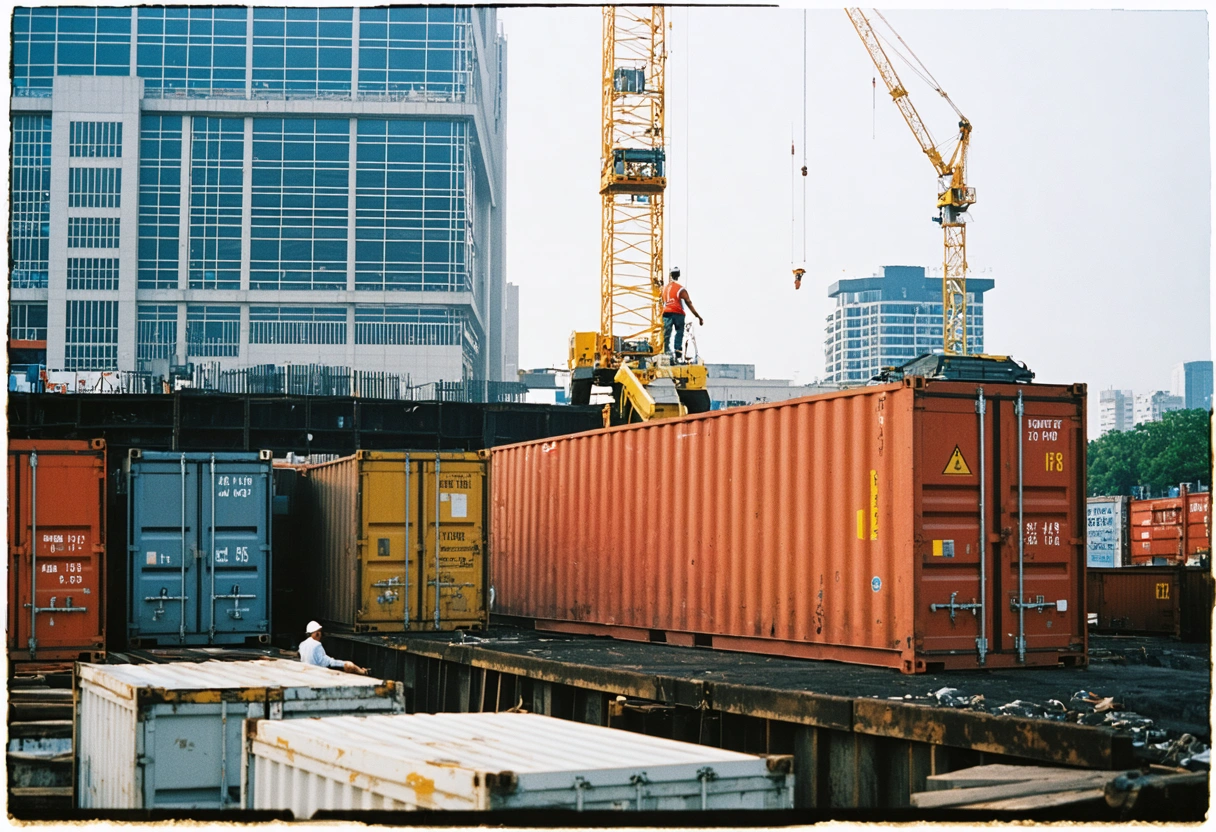
While the benefits of on-site storage containers are clear, their implementation is not without challenges. One of the primary considerations is the initial cost and logistics of acquiring and placing these containers on-site. Construction companies must assess their specific needs and project requirements to determine the most effective configuration and placement of storage units.
Additionally, local regulations and zoning laws may impact the use of on-site storage containers, particularly in urban areas with strict building codes. Companies must ensure compliance with all relevant regulations to avoid potential fines or project delays. Collaborating with local authorities and obtaining the necessary permits in advance can help mitigate these challenges.
The Future Outlook: Innovations and Trends
As the construction industry continues to evolve, on-site storage containers are poised to become even more integral to project management strategies. Emerging trends and innovations are shaping the future of these storage solutions, offering new possibilities for efficiency and functionality.
One such trend is the integration of renewable energy sources into storage containers. By equipping containers with solar panels or wind turbines, construction sites can generate and store clean energy, further reducing their environmental impact. This self-sustaining approach not only supports sustainability goals but also provides a reliable power source for tools and equipment.
Another exciting development is the use of modular and mobile storage units. These adaptable containers can be easily relocated and reconfigured to suit changing project needs, offering unparalleled flexibility and convenience. The ability to quickly adapt storage solutions to different phases of a project can significantly enhance site efficiency and responsiveness.
Integrating On-Site Storage with Smart Construction Techniques

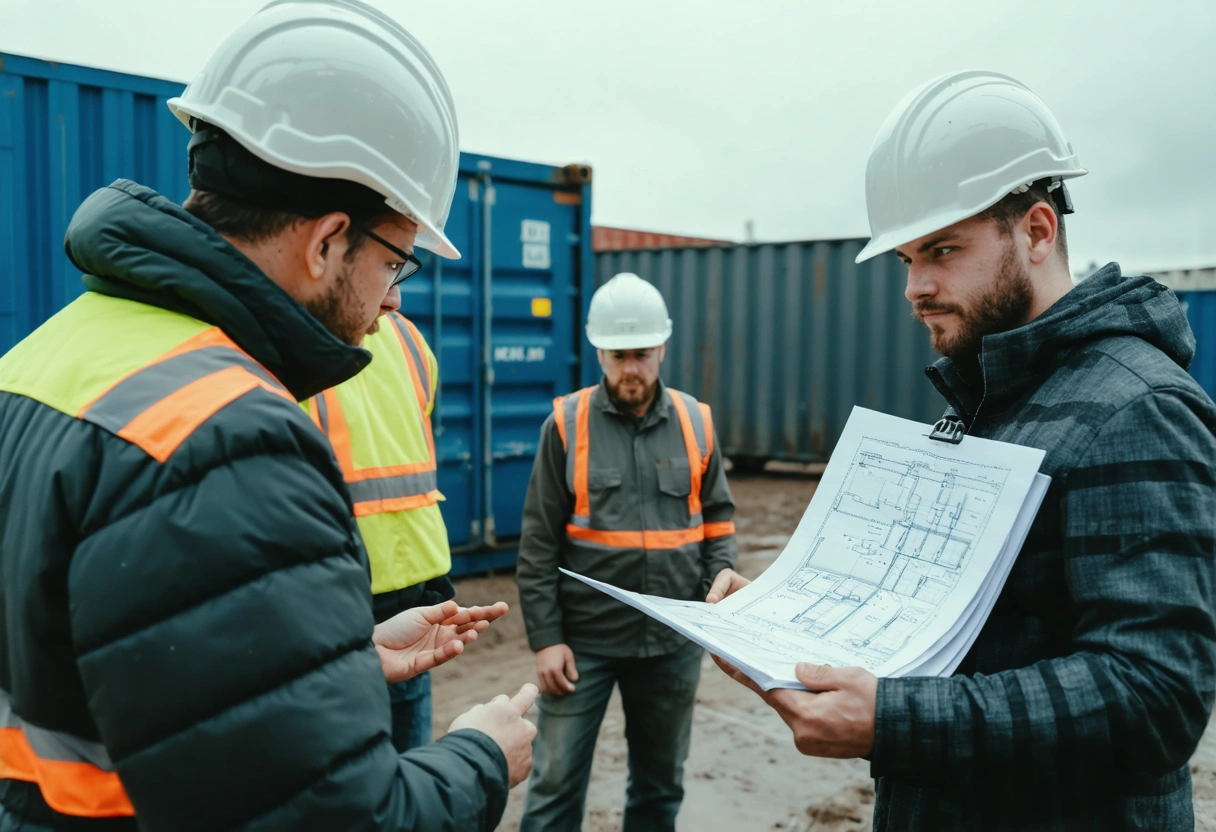
The future of construction is not only about physical improvements but also about the integration of digital technologies. Smart construction techniques, such as Building Information Modeling (BIM) and Internet of Things (IoT) devices, are increasingly being employed alongside on-site storage solutions to create a cohesive and efficient project ecosystem.
BIM allows for precise planning and visualization of storage needs throughout different stages of a construction project. By simulating various scenarios, project managers can optimize the placement and utilization of storage containers, ensuring that they align with the overall workflow. IoT devices can further enhance this integration by providing real-time data on inventory levels and environmental conditions within the storage units.
These smart technologies not only streamline operations but also facilitate better communication and collaboration among project stakeholders. By having access to accurate and up-to-date information, construction teams can make informed decisions that lead to improved project outcomes.
Embracing a New Era of Construction Efficiency
On-site storage containers are more than just a convenient storage solution; they represent a new era of efficiency and innovation in the construction industry. By addressing key challenges such as security, organization, and sustainability, these containers are helping construction companies achieve their goals with greater precision and effectiveness.
The continued evolution of on-site storage solutions, driven by technological advancements and industry demand, promises to unlock even greater potential for construction projects worldwide. As companies embrace these innovations, they position themselves to thrive in an increasingly competitive and environmentally conscious market.
Ultimately, the future of construction lies in the seamless integration of practical solutions like on-site storage containers with cutting-edge technologies and sustainable practices. By doing so, the industry can build a brighter, more efficient future that benefits both businesses and the communities they serve.
Need help with The Future of Construction: How On-Site Storage Containers Are Shaping The Efficiency of Modern Construction Sites?