


Introduction
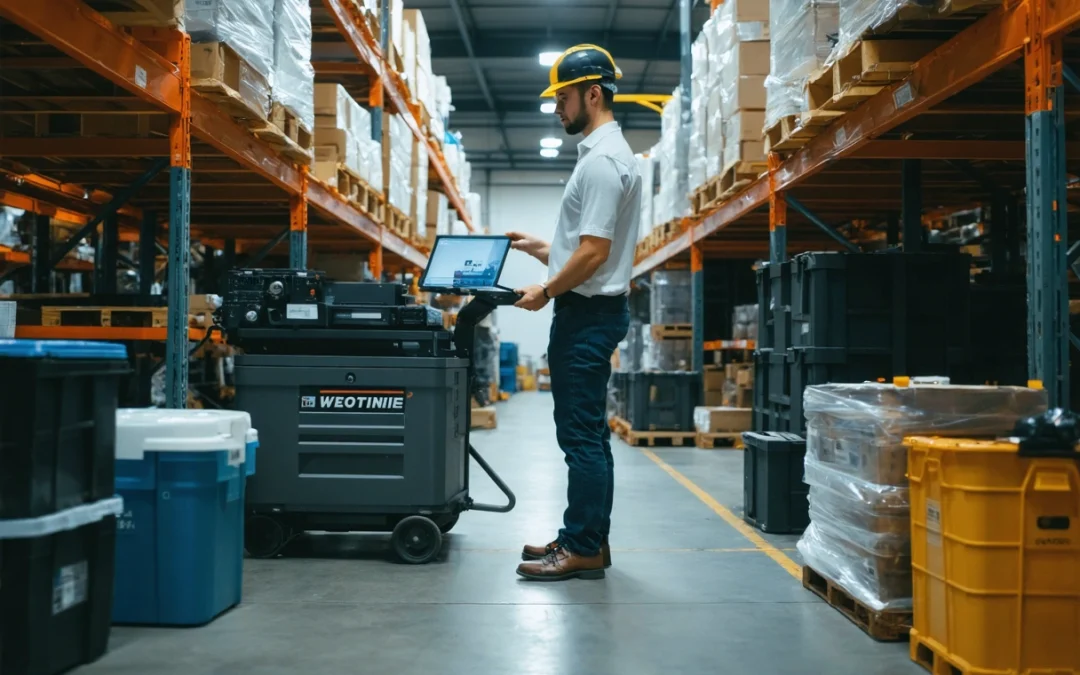
In the dynamic world of business and commercial operations, efficient storage solutions are crucial for maintaining productivity and organization. On-site storage containers have become an indispensable part of many businesses, offering flexibility, security, and additional space precisely where it’s needed. However, selecting the right container for your specific commercial needs can be a daunting task. This guide aims to streamline that process by breaking down the essential factors to consider when choosing an on-site storage container. From size and material to security features and customization options, we’ll cover everything you need to make an informed decision.
Understanding Your Storage Needs
Before diving into the myriad of options available, it’s vital to assess your specific storage requirements. Different businesses have different needs, and understanding these will guide you in choosing the most suitable container. Consider the type of items you’ll store—are they bulky machinery, delicate electronics, or inventory stock? The nature of the items will influence the size and type of the container you need.
Additionally, think about the duration of storage. If it’s long-term, investing in a high-quality, durable container is paramount. For short-term needs, renting might be more cost-effective. Consider environmental factors as well. If your business is located in an area with extreme weather conditions, you’ll need a storage solution that can withstand these elements.
Assessing Space Availability
It’s not just about what you need to store, but also where you’ll store it. Evaluate the space available on your site to accommodate a storage container. Measure the area and ensure there is enough room for delivery and placement, as well as accessibility for loading and unloading. Be mindful of local zoning regulations that might affect where you can place a container on your property.
Choosing the Right Size
On-site storage containers come in various sizes, typically ranging from 10 to 40 feet in length. Choosing the right size is crucial for optimizing your storage solution. A common mistake is underestimating the space required. It’s better to opt for a slightly larger container to avoid overcrowding and to allow for future expansion of storage needs.
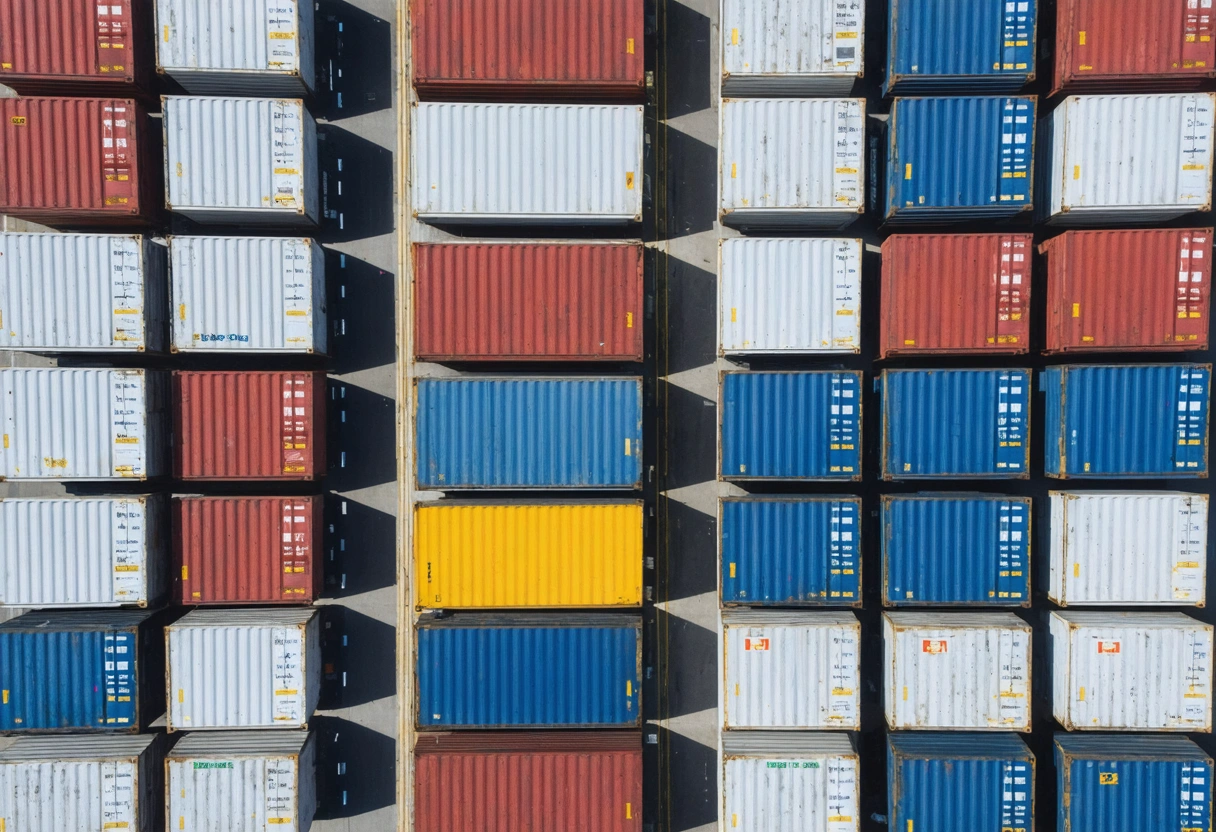
For businesses with limited space, consider modular containers that can be stacked or arranged creatively to maximize storage without compromising on-site functionality. Containers that are too large, however, may lead to unnecessary expenses, so balance is key.
Material Considerations
The material of your storage container will directly affect its durability and security. Most commercial storage containers are made from steel due to its strength and resistance to wear and tear. However, for businesses looking to move containers frequently, lighter materials like aluminum might be more practical despite being less durable.
Look for containers that are weatherproof and rust-resistant, especially if they will be exposed to harsh weather conditions. For businesses operating in humid or coastal areas, additional anti-corrosion treatments can prolong the life of the container.
Security Features
Security is a top priority for any business storage solution. Ensure that the container you choose has robust security features to protect your valuable assets. Features like lockable doors, tamper-proof locks, and reinforced hinges are essential for preventing unauthorized access.
For businesses storing high-value items, consider advanced security options such as motion detectors, surveillance cameras, or even integrated alarm systems. These additional measures can provide peace of mind and deter potential theft.
Customization and Accessibility
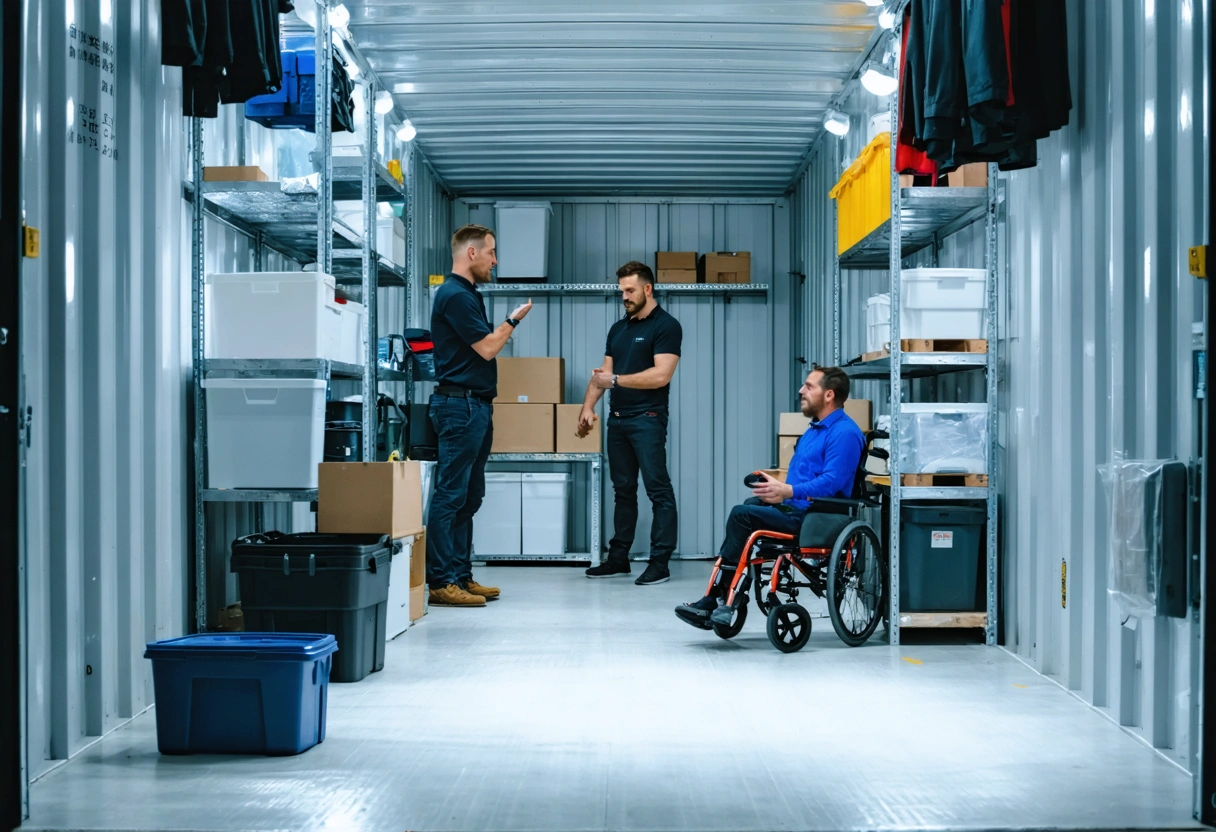
One of the significant advantages of modern storage containers is their ability to be customized to fit specific needs. From shelving and lighting to ventilation and electrical outlets, customization can enhance the functionality of your storage solution. Discuss customization options with suppliers to ensure they align with your operational requirements.
Accessibility is another critical factor. If frequent access is required, consider containers with double doors or side openings for easier maneuvering. Ramps and other accessibility features can also be installed to facilitate the movement of large or heavy items.
Cost Considerations
The cost of an on-site storage container will depend on various factors, including size, material, features, and customization. While budget constraints are an important consideration, it’s essential not to compromise on quality and security for the sake of cost.
Consider both upfront and long-term costs. While cheaper options might be tempting, they may incur higher maintenance expenses over time. Conversely, investing in a high-quality container can provide better durability and security, leading to cost savings in the long run.
Rental vs. Purchase
Deciding whether to rent or purchase a storage container is another cost-related consideration. Renting might be more appropriate for short-term projects or if you anticipate changes in storage needs. It offers flexibility without the commitment of ownership. However, purchasing might be more economical for long-term use, providing a permanent solution that can be customized to your specific requirements.
Evaluate your business’s financial position and storage needs to determine the most cost-effective option. Engaging with suppliers who offer both rental and purchase options can provide a broader perspective on what might work best for your business.
Evaluating Suppliers
Choosing the right supplier is as important as selecting the right container. Look for suppliers with a proven track record and positive customer testimonials. A reliable supplier will offer a range of options and be willing to discuss your needs in detail to recommend the best solutions.
Check if suppliers offer delivery and installation services, as these can save time and ensure the container is set up correctly. Inquire about after-sales support and warranties to ensure you receive assistance if any issues arise post-purchase.
Environmental Impact
In today’s environmentally conscious world, the sustainability of your storage solution is worth considering. Some suppliers offer eco-friendly containers made from recycled materials or those that have been repurposed. Choosing environmentally responsible options can enhance your business’s sustainability credentials.
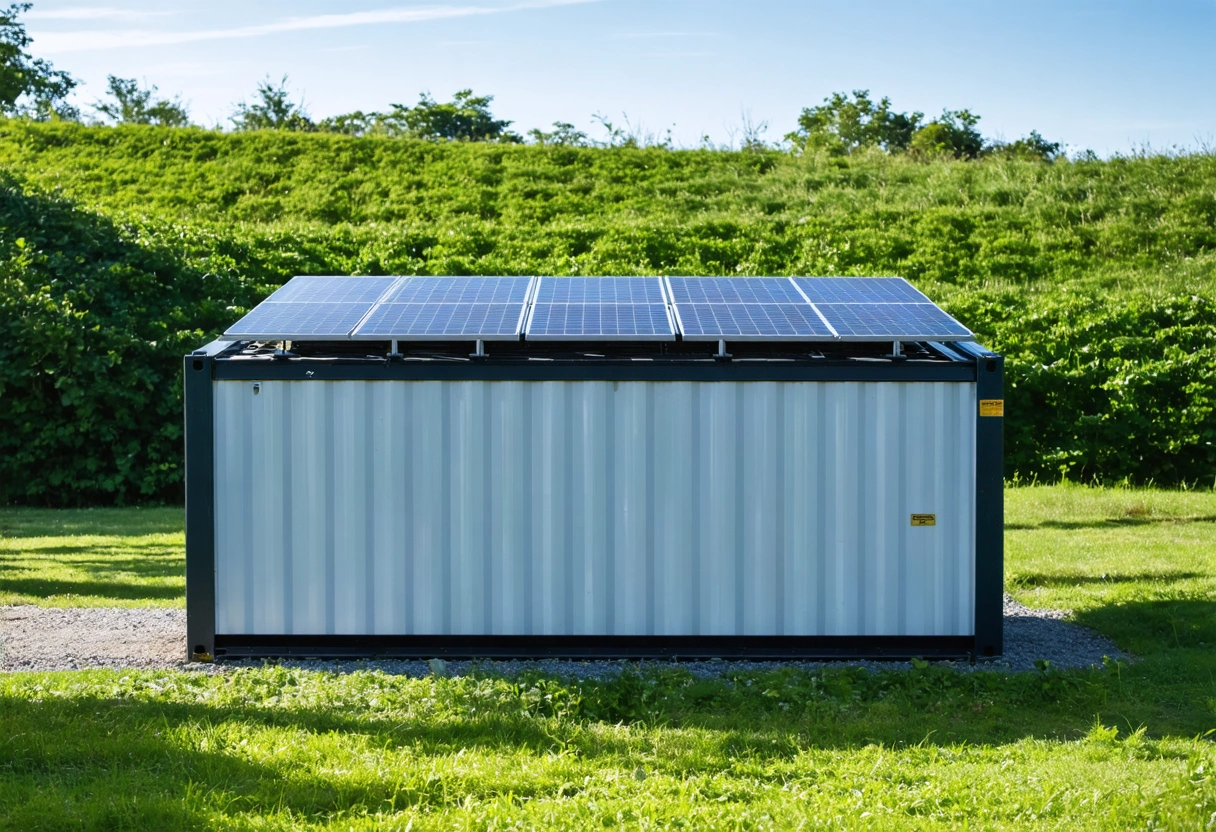
Explore containers with energy-efficient features, such as solar panels for lighting, to reduce energy consumption and minimize your carbon footprint. Taking these steps can align your storage practices with broader environmental goals, benefiting both your business and the planet.
Takeaways
Selecting the right on-site storage container for your commercial needs involves careful consideration of various factors, from size and material to security and cost. By understanding your specific requirements and evaluating all options, you can choose a storage solution that enhances productivity, ensures security, and provides long-term value for your business.
Remember that the right storage container can significantly impact your operations, offering a flexible and efficient way to manage your assets. With the right choice, you can streamline processes, protect valuable items, and support the growth of your business in a sustainable manner.
Exploring Advanced Features
As businesses evolve, so do the features of storage containers. Advanced features can significantly enhance the utility and efficiency of your storage solutions. Consider containers equipped with climate control systems, which are essential for businesses storing temperature-sensitive goods. These systems maintain a stable internal environment, protecting items from damage caused by fluctuations in temperature and humidity.
Another advanced feature to consider is integrated technology solutions. Smart containers equipped with IoT (Internet of Things) devices can provide real-time monitoring of conditions within the container. This technology can alert you to potential issues, such as temperature changes or unauthorized access, allowing for immediate corrective action.
Mobility and Flexibility
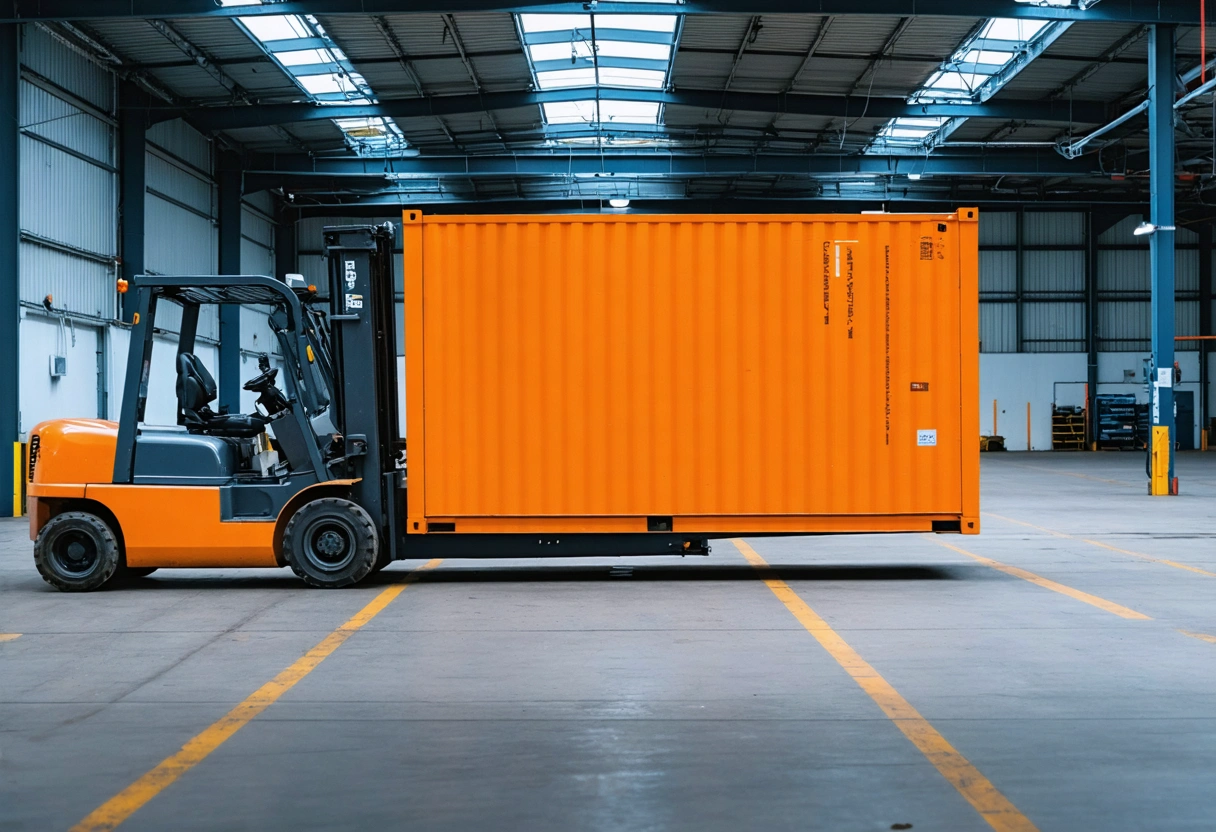
For businesses requiring frequent relocation of storage units, mobility is a key consideration. Some containers are designed with mobility in mind and can be easily transported from one site to another. If your operations are spread across multiple locations, choosing mobile storage solutions can save time and reduce logistical complexities.
Consider containers with built-in wheels or those that are compatible with forklifts and cranes. These features can facilitate easier movement and repositioning, especially in dynamic work environments such as construction sites or event management.
Compliance and Regulations
Compliance with local regulations and industry standards is a critical aspect of selecting an on-site storage container. Ensure that the container you choose meets all relevant safety and environmental standards. This is particularly important for businesses storing hazardous materials, as specific regulations govern the storage and handling of such items.
Consult with local authorities or industry experts to understand any specific requirements your storage solution must meet. Non-compliance can result in fines, legal issues, and potential harm to employees and the environment, so it’s essential to prioritize regulatory adherence.
Future-Proofing Your Storage Solution
In a rapidly changing business landscape, flexibility and adaptability in storage solutions are crucial. Future-proofing your storage involves considering potential changes in your business operations and ensuring that your chosen solution can adapt to these changes. Opt for containers that allow for easy upgrades or modifications without requiring significant investment.
Plan for scalability by selecting containers that can be expanded or reconfigured as your storage needs grow. This proactive approach can save time and resources, allowing your business to respond swiftly to new opportunities or challenges.
Case Studies and Real-World Examples
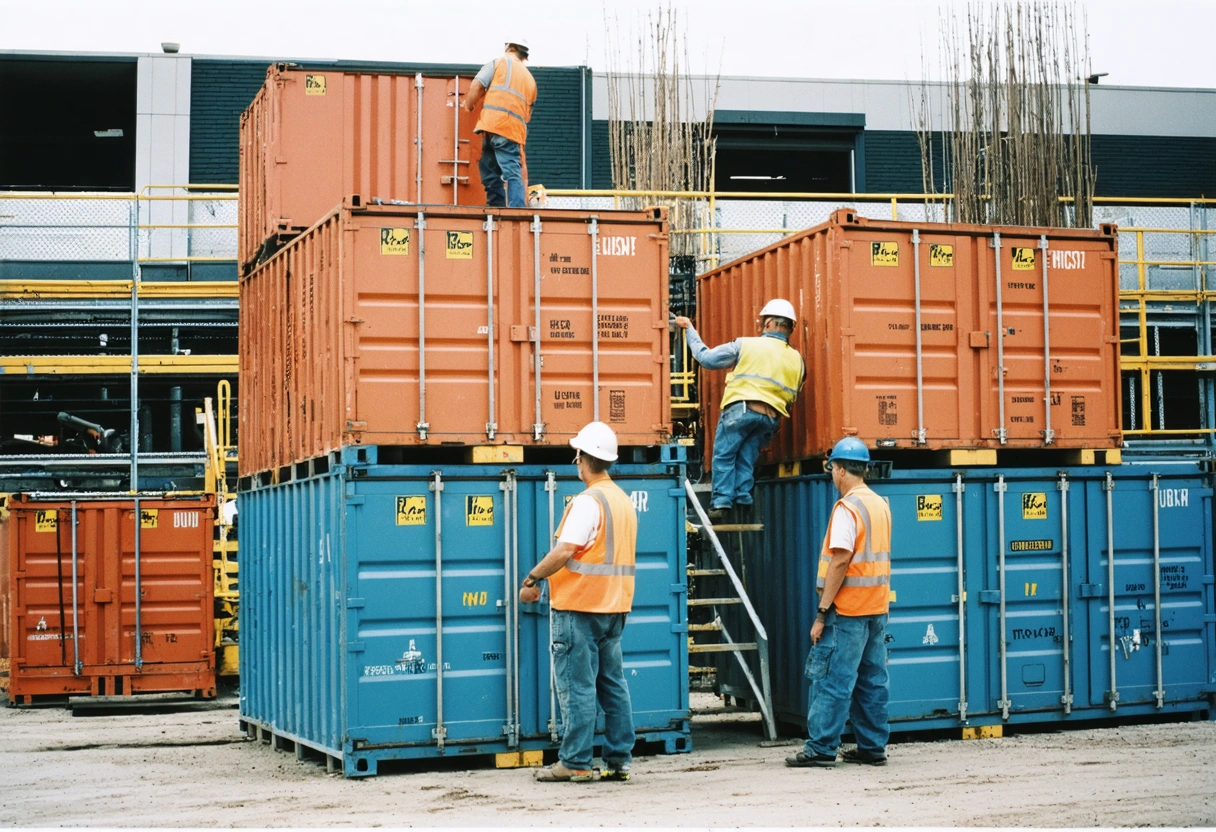
Examining case studies and real-world examples can provide valuable insights into the practical applications of on-site storage containers. For instance, a construction company might use stackable containers to store tools and equipment efficiently, ensuring quick access and reducing downtime on the job site.
Similarly, a retail business might utilize climate-controlled containers to store seasonal inventory, maintaining product quality without the need for off-site storage. These examples illustrate the versatility of storage containers across different industries and highlight the tailored solutions available to meet specific business needs.
Industry Innovations
The storage container industry continues to innovate, offering new solutions that cater to emerging business needs. Innovations such as collapsible containers, which allow for easy dismantling and storage when not in use, are gaining popularity for their space-saving and cost-effective benefits.
Additionally, containers designed with sustainability in mind, such as those incorporating recycled materials or energy-efficient features, reflect the industry’s commitment to environmental stewardship. Staying informed about these innovations can provide a competitive edge, ensuring your storage solutions remain at the forefront of efficiency and sustainability.
Final Thoughts
Choosing the right on-site storage container involves a comprehensive evaluation of your business’s needs, potential for growth, and commitment to security and compliance. By considering advanced features, mobility, compliance, and future-proofing, you can select a storage solution that aligns with your operational goals and enhances efficiency.
Take the time to explore various options and consult with experts to ensure your decision supports your business’s long-term success. Remember, the right storage container is not just an asset; it’s a strategic tool that can significantly impact your operations, productivity, and bottom line.
Need help with How to Select the Right On-Site Storage Container for Your Commercial Needs?