


Introduction
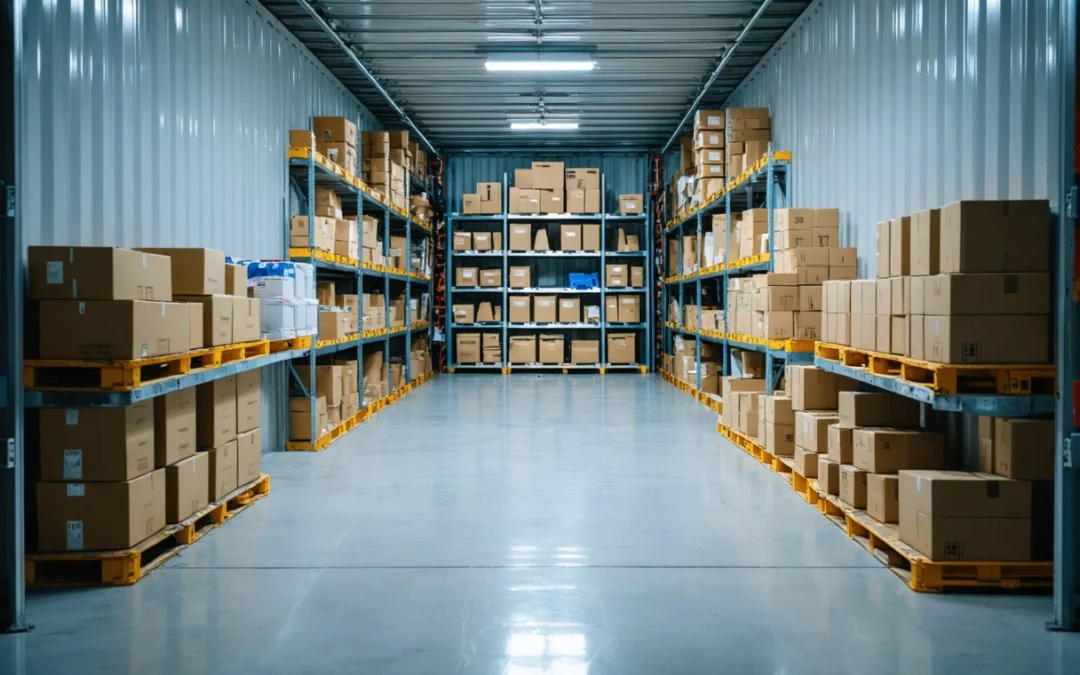
In the fast-paced world of business, efficiency and organization are key factors that can significantly impact productivity. For businesses that rely on on-site commercial storage containers, optimizing the space for easy access and efficiency is crucial. Proper organization can lead to smoother operations, reduced downtime, and increased employee satisfaction. This comprehensive guide will explore the best practices for organizing your on-site commercial storage container, ensuring that your business runs like a well-oiled machine.
Understanding the Importance of Organization
The first step in optimizing your storage container is understanding why organization matters. A well-organized storage space can save time and reduce stress for employees who need to access materials quickly. It also minimizes the risk of lost or misplaced items, which can be costly for businesses. According to entrepreneurial experts, clutter can significantly reduce productivity, making organization a vital aspect of any business operation.
Moreover, organized storage helps in maintaining inventory accuracy. With a clear view of what’s in stock, businesses can avoid over-ordering or under-ordering supplies. This not only saves money but also ensures that you always have the necessary materials on hand. A well-organized storage container reflects a professional image to clients and partners, showcasing that your business values efficiency and attention to detail.
Planning the Layout of Your Storage Container
Before diving into organizing your storage space, it’s essential to plan the layout effectively. Start by assessing the size and shape of your storage container. Measure the dimensions to understand how much space you have to work with. This will help you decide on the best shelving and storage solutions. Consider using vertical space to maximize storage capacity. Installing shelving units that reach the ceiling can provide additional storage without taking up valuable floor space.
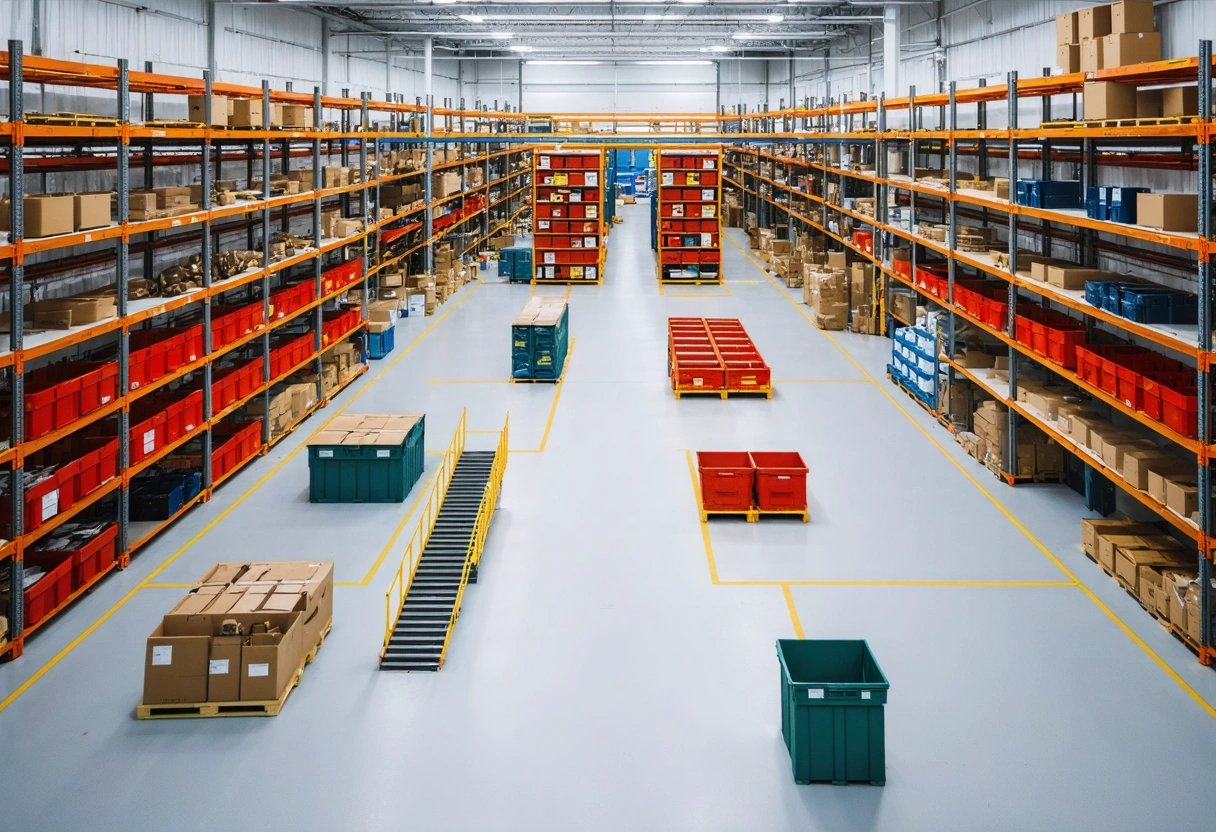
Think about the flow of traffic within the storage container. Ensure there’s enough room for employees to move around comfortably. Designate specific zones for different types of items, such as tools, raw materials, or finished products. This zoning approach keeps related items together, making it easier to find what you need quickly. A thoughtfully planned layout sets the foundation for efficient organization.
Utilizing Shelving and Storage Solutions
Investing in quality shelving and storage solutions is crucial for maintaining an organized storage container. Choose shelves that are sturdy and can support the weight of the items you plan to store. Adjustable shelves offer flexibility, allowing you to accommodate items of various sizes. Consider using clear storage bins with labels to keep smaller items organized and visible. This approach not only makes it easier to locate items but also provides protection against dust and damage.
For businesses dealing with heavy or bulky items, pallet racking systems might be an ideal solution. These systems allow you to store items on pallets, maximizing vertical space and making it easy to access items with a forklift. According to experts at Warehouse News, utilizing the right storage solutions can significantly enhance operational efficiency.
Implementing an Efficient Labeling System
A robust labeling system is an integral part of organized storage. Labels provide clear identification of items, making it easier for employees to locate and return items to their designated spots. Use large, easy-to-read labels, and ensure they are placed at eye level. Color-coded labels can further enhance organization by categorizing items into different groups.
Consider using technology to aid in labeling. Barcode systems can streamline inventory management, allowing for quick scanning and tracking of items. This technology not only enhances accuracy but also reduces the time spent on manual inventory checks. As noted by Inbound Logistics, technology plays a vital role in boosting supply chain efficiency, and implementing it in your storage container can yield significant benefits.

Regular Maintenance and Audits
Even the best-organized storage systems require regular maintenance to remain effective. Schedule periodic audits to assess the organization of your storage container. During these audits, check for misplaced items, assess the condition of shelving units, and ensure labels are still legible and accurate. Encourage employees to report any issues they encounter, such as damaged storage bins or shelves in need of repair.
Regular audits help identify potential problems before they escalate, ensuring that your storage container remains efficient and safe. As highlighted by Safety and Health Magazine, maintaining safety standards in storage areas is crucial for preventing workplace injuries and ensuring smooth operations.
Training Employees for Organizational Success
Organizing a storage container is not a one-time task; it requires the involvement of all employees who access the storage space. Training employees on the importance of organization and how to maintain it is crucial for long-term success. Conduct training sessions to educate employees on the layout of the storage container, the labeling system, and the procedures for returning items to their proper locations.
Encourage employees to take ownership of the organization process. By fostering a culture of responsibility and accountability, employees will be more likely to maintain the organization and report any issues. According to Harvard Business Review, employee engagement is critical for successful training programs, and involving them in the organization process can lead to better outcomes.
Takeaways
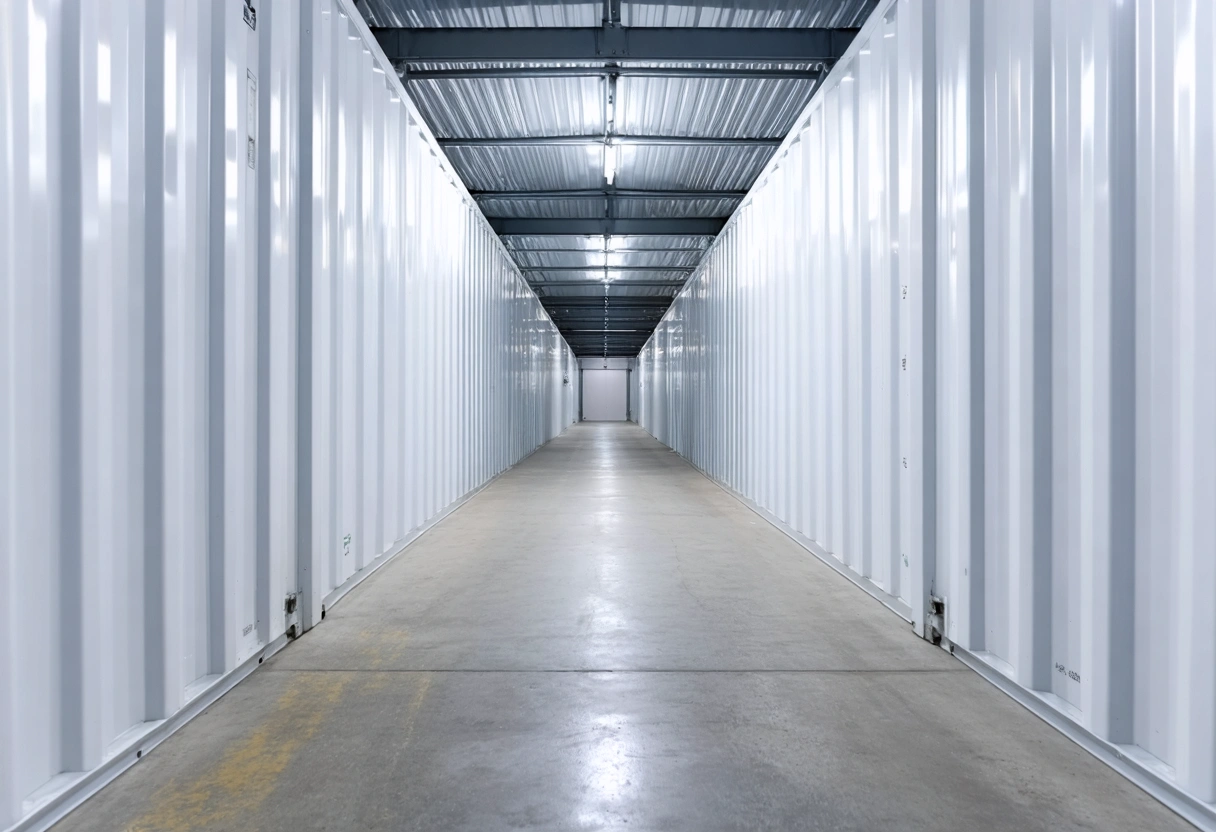
Organizing your on-site commercial storage container for easy access and efficiency is a multifaceted task that requires careful planning and execution. By understanding the importance of organization, planning the layout effectively, utilizing appropriate storage solutions, implementing a labeling system, conducting regular maintenance, and training employees, businesses can create an efficient storage environment that supports their operations.
The benefits of a well-organized storage container extend beyond mere aesthetics; they enhance productivity, reduce costs, and improve overall business efficiency. By following the best practices outlined in this guide, businesses can ensure that their storage container becomes a valuable asset, contributing to their success in a competitive marketplace.
Leveraging Technology for Enhanced Organization
In today’s digital age, technology offers a plethora of tools to enhance the organization of on-site commercial storage containers. One of the most effective ways to ensure efficiency is by integrating inventory management software. These systems allow businesses to track inventory levels in real-time, providing alerts when stocks are low or when items have been misplaced. The use of such software not only reduces human error but also saves time, allowing employees to focus more on their core responsibilities.
Moreover, the implementation of RFID (Radio-Frequency Identification) tags can further streamline operations. Unlike traditional barcodes, RFID tags do not require line-of-sight to be scanned, enabling faster and more efficient tracking of items. This technology can be particularly beneficial for businesses with vast inventories, as it allows for quick audits and reduces the need for manual checks. According to an insightful piece by Supply Chain Dive, RFID technology significantly enhances warehouse efficiency, making it a worthy investment for any storage solution.
Eco-Friendly Storage Solutions

As businesses become more environmentally conscious, incorporating eco-friendly practices into storage solutions is becoming increasingly important. Opting for sustainable materials when designing storage containers not only benefits the environment but can also enhance the reputation of a business. Consider using recycled materials for shelving and storage bins, which are both durable and environmentally friendly.
Additionally, energy-efficient lighting solutions, such as LED lights, can be used within storage containers to reduce energy consumption. Motion-sensor lights can further conserve energy by only illuminating when movement is detected. These eco-friendly practices not only reduce the carbon footprint of a business but can also lead to cost savings in the long run. As detailed by GreenBiz, sustainable practices in warehouse operations can provide a competitive edge, making them an essential consideration for businesses.
Creating a Culture of Continuous Improvement
Establishing a culture of continuous improvement is vital for maintaining an organized storage container. Encourage feedback from employees regarding the organization and functionality of the storage space. Regularly solicit suggestions for improvements, and be open to implementing changes that could enhance efficiency. This collaborative approach not only improves the organization but also boosts employee morale by making them feel valued and heard.
Implementing a system of rewards or recognition for employees who contribute valuable suggestions or maintain exemplary organization can further motivate staff. Recognizing efforts through small incentives or public acknowledgment can promote a culture of excellence and continuous improvement. Insights from Forbes Human Resources Council highlight the importance of a continuous improvement culture in enhancing organizational performance, making it a critical aspect of effective storage management.
Adapting to Changing Business Needs
Businesses are dynamic entities, and their storage needs can change over time. Regularly reviewing and adapting the organization of your storage container is essential to accommodate these changes. Whether it’s scaling up to meet increased demand or adjusting to new product lines, the ability to adapt is crucial for maintaining efficiency and organization.
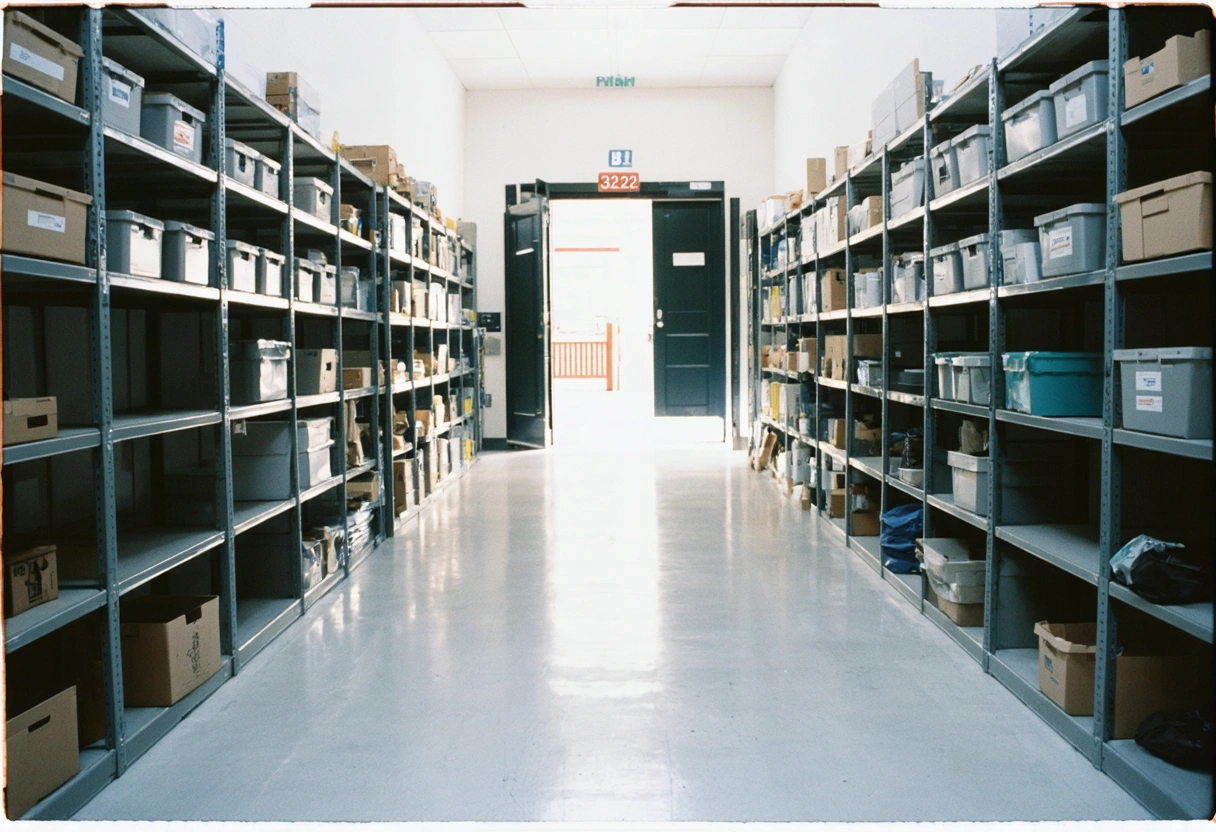
Flexibility in storage solutions, such as adjustable shelving and modular storage units, can facilitate easy adaptation. By periodically reassessing the layout and organization of your storage container, you can ensure that it continues to meet the evolving needs of your business. This proactive approach prevents bottlenecks and ensures that the storage container remains a functional and efficient part of your operations.
Takeaways
Organizing an on-site commercial storage container is not a one-time task but an ongoing process that requires careful planning, implementation, and adaptation. By leveraging technology, incorporating eco-friendly practices, fostering a culture of continuous improvement, and remaining adaptable to changing business needs, businesses can ensure their storage solutions are efficient and effective.
The benefits of an organized storage container extend beyond operational efficiency; they enhance employee satisfaction, reduce costs, and contribute to a positive business image. By implementing the strategies outlined in this comprehensive guide, businesses can transform their storage containers into valuable assets that support and drive success in an ever-competitive marketplace.
Final Thoughts
Ultimately, the organization of on-site commercial storage containers plays a pivotal role in the success of a business. With strategic planning, innovative solutions, and ongoing commitment to improvement, businesses can optimize their storage spaces to foster productivity and growth. The journey toward a more efficient storage system begins with the first step of implementing these best practices.
Need help with Best Practices for Organizing Your On-Site Commercial Storage Container for Easy Access and Efficiency?